
What if the secret to a long, healthy life had nothing to do with the latest diet, a strict supplement regimen, or a punishing exercise program? On this Father’s Day, Ezekiel Emanuel, the renowned bioethicist and physician, offered a deeply personal answer: his father lived into his 90s by ignoring almost everything the modern wellness industry preaches.
The counterintuitive secret to a long life
Emanuel’s father never chased performance metrics or perfection. Instead, he stayed socially engaged, physically active in ordinary ways, and intellectually curious. He understood that wellness was not about data-driven optimization, but about long-term consistency and genuine enjoyment—while prioritizing family and community.
Why this challenges the modern wellness industry
Data drives the modern corporation. As the saying goes, you can’t manage what you can’t measure. This may be good advice for supply chains or financial projections, but Emanuel argues it’s terrible advice for living a long and healthy life. The wellness industry, worth billions, often sells the idea that health is a problem to be solved with the right product or protocol.
What Emanuel’s father did differently
According to Emanuel, his father’s approach was remarkably simple. He didn’t follow a diet or embrace a strict supplement regimen. He didn’t have a formal exercise program. Instead, he stayed socially engaged—maintaining strong ties with family and friends. He was physically active in ordinary ways, like walking and gardening. And he remained intellectually curious, always learning and asking questions.
The human impact: why this matters for successful men
For many successful men, the pressure to optimize every aspect of life—including health—can be overwhelming. Emanuel’s story offers a different path: one that prioritizes joy, connection, and consistency over perfection. It’s a reminder that the most important metrics for a long life may not be measurable at all.
Ezekiel Emanuel’s authority on the subject
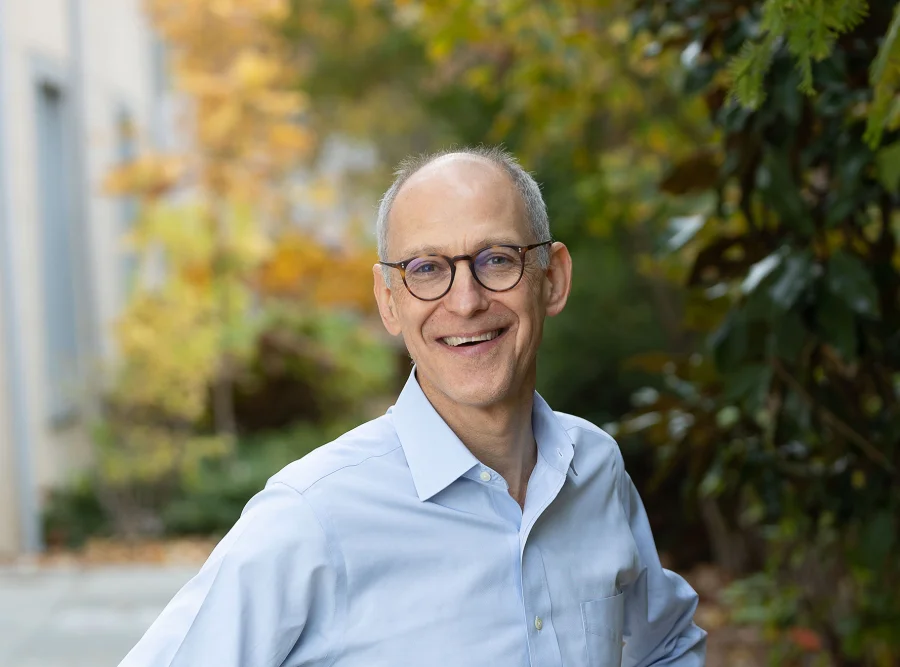
Ezekiel Emanuel is a leading bioethicist, a professor at the University of Pennsylvania, and a former White House adviser. His father’s story carries weight because it comes from someone who has spent his career studying health, aging, and end-of-life care. He is not selling a product or a program—he is sharing a family lesson.
What the wellness industry gets wrong
The modern wellness industry often frames health as a performance metric. But Emanuel’s father’s life suggests that the real drivers of longevity are social connection, ordinary physical activity, and intellectual curiosity—things that cannot be easily measured or monetized. This critique aligns with a growing body of research that links social engagement and purpose to longer, healthier lives.
Confirmed facts vs what remains unclear
Confirmed: Ezekiel Emanuel’s father lived into his 90s without following a strict diet, supplement regimen, or formal exercise program. He prioritized social engagement, ordinary physical activity, and intellectual curiosity. Unclear: The exact age of his father at death, specific details of his daily routine, and whether other factors (like genetics) played a role. Emanuel’s essay is a personal reflection, not a scientific study.
Risks and balanced view
While Emanuel’s advice is compelling, it is not a one-size-fits-all prescription. Genetics, access to healthcare, and socioeconomic factors also play significant roles in longevity. Critics might argue that some structure—like a balanced diet or regular exercise—can be beneficial for many people. The key takeaway is not to abandon all health practices, but to question the obsession with perfection and performance.
Wider trend: the backlash against wellness culture
Emanuel’s essay is part of a broader cultural shift. More people are questioning the wellness industry’s emphasis on optimization and data. Books like “The Wellness Trap” and “The Hacking of the American Mind” have criticized the industry for creating anxiety rather than health. Emanuel’s personal story adds a human, relatable dimension to this critique.
Practical reader guidance for Father’s Day and beyond
For readers inspired by Emanuel’s story, the practical advice is simple: prioritize social connections, engage in ordinary physical activities you enjoy, and stay intellectually curious. Don’t let the pursuit of perfect health metrics rob you of the joy of living. This Father’s Day, consider what truly matters for long-term well-being.
Future outlook: what this means for health advice
Emanuel’s essay may encourage more people to question data-driven health advice and embrace a more holistic, joy-centered approach. It could also influence how health professionals communicate with patients, emphasizing consistency and enjoyment over rigid protocols. The conversation around longevity is slowly shifting from “how to optimize” to “how to live well.”
Our Take
Ezekiel Emanuel’s Father’s Day essay is a quiet but powerful rebuke to the modern wellness industry. In a world obsessed with metrics, supplements, and biohacking, his father’s simple philosophy—stay connected, stay curious, stay active in ordinary ways—feels almost radical. It’s a reminder that the best health advice often comes not from experts or algorithms, but from the people who lived it. This story matters because it challenges us to redefine what a successful life—and a long one—really looks like.
Frequently Asked Questions
What was Ezekiel Emanuel’s father’s secret to a long life?
According to Emanuel, his father lived into his 90s by staying socially engaged, physically active in ordinary ways (like walking and gardening), and intellectually curious. He did not follow a strict diet, supplement regimen, or formal exercise program.
Why does Ezekiel Emanuel criticize the modern wellness industry?
Emanuel argues that the data-driven, performance-focused approach of the wellness industry is bad advice for living a long and healthy life. He believes that wellness should be about consistency and enjoyment, not perfection and measurable outcomes.
Is Ezekiel Emanuel’s advice backed by science?
While Emanuel’s essay is a personal reflection, it aligns with research linking social engagement, purpose, and moderate physical activity to longevity. However, it is not a scientific study, and genetics and other factors also play a role.
What can I learn from Ezekiel Emanuel’s father’s approach?
The key lesson is to prioritize social connections, engage in ordinary physical activities you enjoy, and stay intellectually curious. Avoid the trap of chasing perfect health metrics at the expense of joy and community.