For the people of eastern Democratic Republic of Congo, the word Ebola is not a distant headline. It is a scar. It is a memory of loved ones lost, of villages quarantined, of bodies buried without proper farewells. And now, it is back.
A new outbreak of the deadly virus is spreading through remote communities, and the health minister has issued a stark admission: medics are playing catch-up. They were slow to detect it. And now, the virus has a head start.
“Ebola has tortured us,” one resident told the BBC, capturing the exhaustion and fear that is gripping the region once again.
Why This Matters Right Now
This is not just another outbreak in a distant part of the world. Eastern DR Congo is a region already battered by conflict, displacement, and weak healthcare infrastructure. An uncontrolled Ebola outbreak here means more than just a rising case count — it means overwhelmed hospitals, terrified communities, and the very real risk of the virus crossing borders into neighboring countries like Uganda and Rwanda.
The World Health Organization (WHO) has expressed deep concern about the speed and scale of this outbreak. The health minister’s admission that detection was slow only amplifies the urgency. Every day of delay means more infections, more deaths, and more trauma for a population that has already endured too much.
How the Outbreak Unfolded
The first cases were detected in a remote area of eastern DR Congo, but the exact timeline of the initial spread remains unclear. Health officials now believe the virus was circulating silently for weeks before it was identified. This delay is critical — it means that chains of transmission have already multiplied, making containment far more difficult.
According to reports, the outbreak is concentrated in rural communities where access to healthcare is limited, and where distrust of authorities — fueled by years of conflict and political instability — can make contact tracing and isolation efforts even harder.
Who Is Affected and What Officials Are Saying
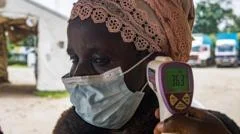
The immediate impact is being felt by families in the affected villages. People are scared. They are avoiding health centers, fearing that going there means they will be quarantined or, worse, never return. This fear is a major obstacle for medics trying to contain the virus.
The DR Congo health minister has acknowledged the slow response, stating that the medical teams are now working around the clock to catch up. The WHO has deployed teams to support surveillance, contact tracing, and community engagement. But in a region where roads are poor and communication is difficult, every step is a battle.
“We are deeply concerned about the scale and speed of this outbreak,” a WHO official said, according to the BBC.
What We Know So Far — and What Remains Unclear
What we know:
- An Ebola outbreak is active in eastern DR Congo.
- The health minister has admitted that detection was slow, and medics are now playing catch-up.
- Fear is widespread among local communities, with many residents expressing trauma and distrust.
- The WHO has expressed deep concern about the outbreak’s speed and scale.
- No cases have been reported outside the region, including in the United States, according to the CDC.
What remains unclear:
- The exact number of confirmed cases and deaths (official numbers are still being verified).
- The full extent of the virus’s spread beyond the initial epicenter.
- Whether the outbreak can be contained before it reaches major urban centers or crosses international borders.
- The specific strain of Ebola involved (though past outbreaks in the region have involved the Zaire strain).
Risks, Concerns, and the Balanced View
The risks are real and serious. Eastern DR Congo is a volatile region. Armed groups operate in the area, making it dangerous for health workers to reach affected communities. Displacement camps are crowded, creating ideal conditions for the virus to spread. And the healthcare system is fragile, with limited beds, equipment, and trained staff.
However, it is also important to note that DR Congo has faced Ebola outbreaks before — most notably the devastating 2018–2020 outbreak in North Kivu and Ituri provinces, which killed over 2,200 people. That experience has left behind some infrastructure, including treatment centers and a cadre of trained responders. The country also has access to an effective vaccine (rVSV-ZEBOV) and experimental treatments.
The challenge is not a lack of tools — it is a lack of time and trust. The slow detection has already cost precious weeks. And rebuilding community trust, especially in a region where rumors and misinformation spread as fast as the virus, is a monumental task.
Why Similar Outbreaks Keep Happening
Ebola outbreaks in DR Congo are not random events. They are a symptom of deeper, systemic problems: weak public health surveillance, chronic underfunding of healthcare, political instability, and environmental factors that bring humans into closer contact with wildlife reservoirs of the virus.
Each outbreak follows a similar pattern: a slow start, a scramble to catch up, a massive international response, and then — if containment is successful — a gradual return to normal. But the cycle repeats because the underlying vulnerabilities are never fully addressed.
This outbreak is a stark reminder that global health security is only as strong as its weakest link. And right now, that weak link is in eastern DR Congo.
“Ebola has tortured us.” — Resident of eastern DR Congo, speaking to the BBC
What Residents and Travelers Should Know Now
For people living in the affected areas, the advice from health authorities is clear: report any symptoms — fever, fatigue, muscle pain, headache, vomiting, diarrhea, unexplained bleeding — immediately to a health facility. Avoid contact with bodily fluids of infected people or animals. And follow guidance from local health teams, even if it means accepting quarantine or vaccination.
For international travelers, the CDC currently assesses the risk to the American public as low. No cases have been confirmed outside the region. However, travelers to DR Congo or neighboring countries should monitor the situation closely, follow entry requirements (which may include health screenings), and avoid contact with sick individuals.
What Could Happen Next
The next few weeks will be critical. If the international response is swift and well-coordinated, and if communities cooperate with health teams, this outbreak could still be contained. But if the virus reaches a major city like Goma or Bukavu, or crosses into Uganda, the situation could escalate dramatically.
The WHO and DR Congo health ministry are racing against time. Vaccination campaigns are being planned. Contact tracing is being intensified. But in a region where every hour counts, the clock is ticking.
Our Take: Why This Story Matters Beyond One Outbreak
This is not just a story about a virus. It is a story about what happens when the world looks away from a crisis until it is too late. Eastern DR Congo has been neglected for decades — by governments, by international donors, by global media. And now, that neglect has a cost.
The fear in the voices of the people is real. “Ebola has tortured us” is not a dramatic headline — it is a lived reality. And until the world invests in the kind of health systems that can detect and respond to outbreaks before they spiral, that torture will continue.
This outbreak is a test. Not just of DR Congo’s ability to respond, but of the global community’s willingness to care.
FAQs
What is the current status of the Ebola outbreak in DR Congo?
The outbreak is active and spreading in eastern DR Congo. The health minister has admitted that detection was slow and that medics are now working to catch up. The WHO has expressed deep concern about the speed and scale of the outbreak.
How is Ebola transmitted and what are the symptoms?
Ebola is transmitted through direct contact with bodily fluids of an infected person or animal. Symptoms include sudden fever, fatigue, muscle pain, headache, vomiting, diarrhea, and in severe cases, unexplained bleeding. Symptoms typically appear 2 to 21 days after exposure.
Is there a vaccine or treatment for Ebola?
Yes. An effective vaccine (rVSV-ZEBOV) is available and has been used in previous outbreaks in DR Congo. Experimental treatments, including monoclonal antibodies, have also shown promise. However, access in remote areas remains a challenge.
Should I be worried about Ebola spreading to other countries?
The CDC currently assesses the risk to the American public as low. No cases have been confirmed outside the affected region. However, neighboring countries like Uganda and Rwanda are on high alert, and international health authorities are monitoring the situation closely.