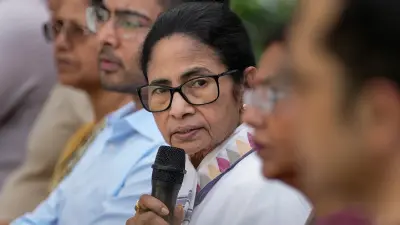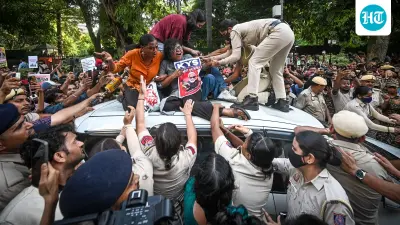
What began as a routine political gathering in Saharanpur has escalated into a high-stakes confrontation between the Samajwadi Party and the Uttar Pradesh Police. On Tuesday, SP MP Iqra Hasan sat down on the ground outside the Sadar Bazar police station and refused to move — until her party leaders were released.
"Either arrest me as well, or release our people," she said, her voice carrying the weight of a party that feels increasingly cornered. The demand was simple. The implications, however, are anything but.
Why This Sit-In Matters Right Now
This is not just about one protest. It is about a growing pattern of political friction in Uttar Pradesh, where detentions under preventive sections are becoming a flashpoint. For SP workers and supporters, this incident reinforces a sense of political suppression. For the administration, it is a law-and-order measure. For the public, it raises uncomfortable questions about the space for dissent.
How the Protest Unfolded
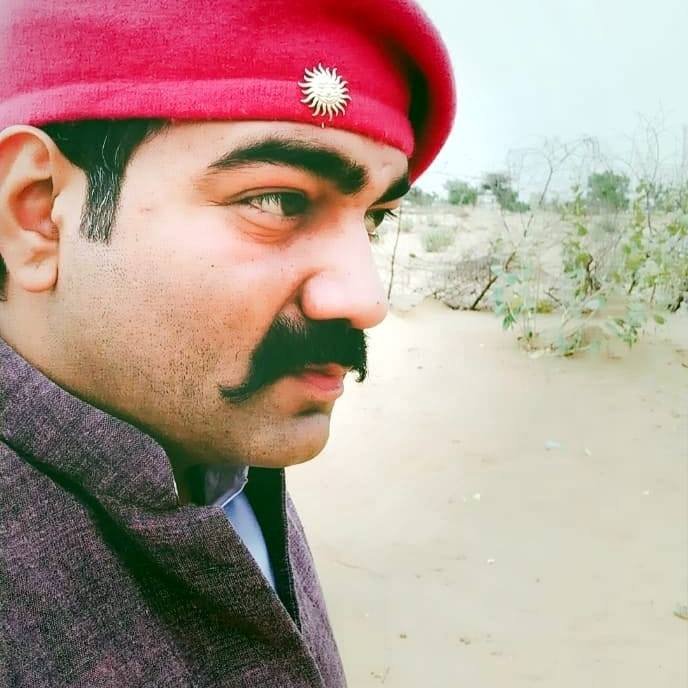
Earlier on Tuesday, former minister Mangeram Kashyap and four other SP leaders were detained by police under preventive sections linked to "breach of peace." The exact circumstances of their detention remain unclear, but the action triggered an immediate response from the party.
Iqra Hasan, the Kairana MP, arrived at the Sadar Bazar police station and staged a dharna — a sit-in protest — demanding the immediate release of the detained leaders. Within hours, scores of SP workers and supporters gathered outside the station, turning a local police outpost into a political battleground.
Who Is Affected and What Officials Are Saying
The immediate impact is on the detained leaders and their families. But the ripple effects extend to SP workers across the region, who see this as a warning. Police officials have defended the action, stating that the detentions were preventive and aimed at maintaining public order. However, Hasan and the SP leadership have rejected this explanation.
"Innocent people who approach the administration with grievances are being arrested," Hasan alleged, accusing the police of suppressing voices seeking justice. The party has framed the detentions as a politically motivated crackdown ahead of upcoming elections.
What We Know So Far — and What Remains Unclear
What we know: Mangeram Kashyap and four others were detained under preventive sections. Iqra Hasan staged a sit-in demanding their release. Heavy police deployment was seen at the scene.
What remains unclear: The specific reasons for the preventive detention. Whether the detentions were directly linked to any planned protest or gathering. The exact timeline of events leading up to the arrests. And crucially, whether the detained leaders will be released or face formal charges.
Risks, Concerns, and the Balanced View
From a law enforcement perspective, preventive detention is a tool to prevent potential unrest. Police argue that the action was necessary to avoid a breach of peace. Critics, however, see it as a weapon to silence political opposition.
The risk here is twofold: for the SP, this could galvanize support and turn the detained leaders into martyrs. For the administration, it could deepen the perception of political bias. The real concern is whether such incidents erode public trust in the neutrality of law enforcement.
Why Similar Political Detentions Are Becoming a Pattern
This is not an isolated incident. Across Uttar Pradesh and other states, preventive detentions of political workers have become increasingly common, especially during election seasons. The line between maintaining order and suppressing dissent is often blurred, and each such incident adds to the growing polarization.
- Preventive detention laws are often used as a preemptive measure, but their application is frequently questioned.
- Political parties on both sides have accused each other of misusing the law.
- The public is left caught in the middle, with trust in institutions eroding.
"Either arrest me as well, or release our people." — SP MP Iqra Hasan during the sit-in protest
What Readers and Citizens Should Know Now
For those following this story, the key takeaway is that the situation remains fluid. The detained leaders have not been formally charged, and the legal process is still unfolding. Citizens should be aware that preventive detention does not require an immediate charge, but it does require judicial review within a specified period.
For SP supporters, this is a moment of solidarity. For others, it is a reminder of the fragile balance between security and freedom in a democracy.
What Could Happen Next
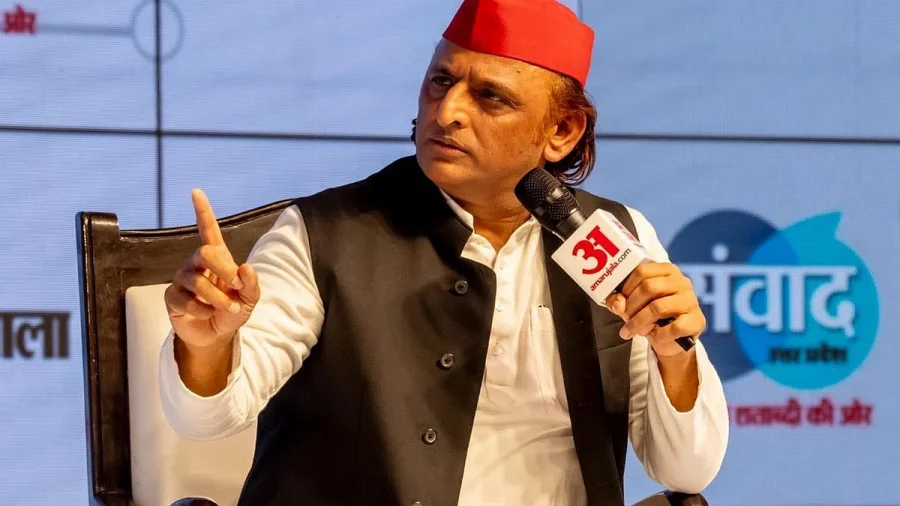
The immediate outcome depends on the police's decision: either release the detained leaders or proceed with formal charges. If the detentions are prolonged, the SP is likely to escalate its protest, potentially drawing in senior party leaders like Akhilesh Yadav. The incident could also become a rallying point for opposition parties to question the state government's approach to law and order.
Our Take: Why This Story Matters Beyond One Incident
This protest is a microcosm of a larger political struggle. It is about who gets to protest, who gets detained, and who decides the line between peace and disruption. In a democracy, the right to peaceful protest is fundamental. When that right is challenged — even under the guise of maintaining order — the entire system is tested.
Iqra Hasan's sit-in is not just a demand for the release of five men. It is a demand for the principle that political dissent should not be met with detention. Whether you agree with her party or not, that principle matters to everyone.
FAQs
Why did SP MP Iqra Hasan protest at the Saharanpur police station?
Iqra Hasan staged a sit-in protest to demand the release of Samajwadi Party leaders, including former minister Mangeram Kashyap, who were detained by police under preventive sections related to breach of peace.
What did Iqra Hasan say during the protest?
She said, "Either arrest me as well, or release our people," accusing the police of suppressing voices seeking justice and detaining innocent people who approach the administration with grievances.
What are the charges against the detained SP leaders?
The leaders, including Mangeram Kashyap, were detained under preventive sections linked to breach of peace. No formal charges have been filed yet, and the exact reasons for the detention remain unclear.
What is the political significance of this protest?
The protest highlights growing political friction in Uttar Pradesh, with opposition parties accusing the state government of using preventive detention laws to suppress dissent. It could become a rallying point for the SP and other opposition parties ahead of upcoming elections.