When a Chief Minister says women's safety is "their duty too," the sentence lands differently depending on who is listening. For many women in Delhi, it is a familiar refrain — one they have heard after every headline that shakes the city. But this time, the emphasis was placed somewhere new: on how boys are raised.
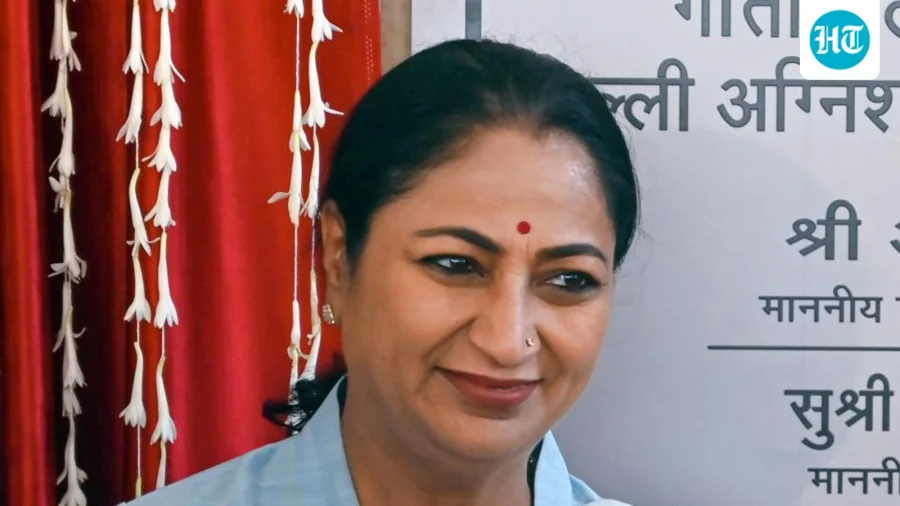
Delhi Chief Minister Rekha Gupta said recent incidents involving sexual violence and harassment had once again raised hard questions about women's safety in the capital. Her answer, in part, pointed away from police stations and toward homes.
What the Chief Minister Actually Said
According to the original statement, Gupta linked the rising cases of rape and harassment to a broader social failure — one she believes begins in childhood. She called for a sharper focus on boys' upbringing, arguing that respect for women must be taught, not assumed.
She framed women's safety as a shared responsibility rather than a purely governmental one, using the phrase "their duty too" to signal that families, schools, and communities must share the load.
Why This Framing Matters in Delhi Right Now
Delhi has long carried a difficult reputation on women's safety. Every high-profile case reignites public anger, protests, and demands for faster justice and better policing. Political leaders are routinely pressed for answers.
By shifting attention to upbringing, the Chief Minister is touching a sensitive nerve. It acknowledges that laws and patrols alone have not solved the problem — a point many activists and citizens have made for years.
The Background Behind the Statement
The comments did not emerge in isolation. They followed a series of reported incidents of sexual violence and harassment in the capital that drew public attention and renewed scrutiny of existing safety mechanisms.
In such moments, the public conversation typically splits into two tracks: demands for stricter enforcement, and calls for deeper cultural change. Gupta's statement leans visibly toward the second.
Who This Affects — and Why It's Personal
For parents, the message is direct: the way a son is raised is not a private matter. For young men, it is an implicit challenge to examine inherited attitudes. For women, it is both a reassurance and, for some, a reminder of how often the burden of safety has been discussed without their voices at the centre.
The statement does not propose a specific policy. Its power, for now, lies in the direction it points.
The Official Position
The Chief Minister's office has positioned the remark as a moral and social priority rather than a legislative announcement. No new scheme, curriculum change, or enforcement measure was detailed in the statement as reported.
That distinction matters. Rhetoric from the top can shape public debate, but it does not, by itself, change outcomes on the ground.
Reading Between the Lines
There is a long-running argument in Indian public life about whether crimes against women are best addressed through deterrence or through education. Gupta's statement does not reject the first — but it clearly elevates the second.
It also subtly reframes responsibility. Instead of placing the onus solely on women to be careful, it places part of it on how men are formed. That is a meaningful shift in language, even without a policy attached.
Confirmed Facts vs What Remains Unclear
Confirmed: The Chief Minister made the statement, linking boys' upbringing to women's safety and calling it a shared duty.
Unclear: Whether this will translate into school programmes, awareness campaigns, or budgetary commitments. No timeline or implementation plan has been announced.
Speculation to avoid: Any suggestion that this represents a formal policy shift would be premature. It is, at this stage, a public statement of intent.
Risks and the Balanced View
Critics may argue that focusing on upbringing risks sounding like moral instruction rather than concrete action — especially when survivors and families are waiting for faster justice and stronger enforcement.
Supporters, however, see it as addressing the root of the problem rather than its symptoms. Both views can coexist. The real test will be whether words are followed by measurable change.
A Wider Pattern Across India
Gupta's remark fits into a broader national conversation. Across states, leaders have increasingly spoken about gender sensitisation, school-level education, and community responsibility alongside traditional law-and-order responses.
Whether these conversations produce results or remain rhetorical is the question that will define the next few years.
What Readers Should Take Away
For parents, the message is an invitation to have harder conversations at home. For young people, it is a prompt to question norms rather than inherit them. For citizens, it is a reminder to hold leaders accountable — not just for what they say, but for what follows.
What Could Happen Next
If the statement gains traction, it could lead to school-based sensitisation programmes, public awareness campaigns, or partnerships with civil society. If it does not, it will join a long list of well-intentioned remarks that faded without follow-through.
Either way, the conversation has been nudged in a direction that many have argued for — from punishment alone to prevention as well.
Our Take
The Chief Minister's statement is significant less for what it announces and more for where it places responsibility. By pointing to boys' upbringing, it acknowledges that women's safety is not a women's issue alone. That is a necessary admission.
But words from the top only matter if they are backed by action. The real measure of this statement will be whether Delhi sees tangible change — in schools, in homes, and in how the city talks about safety.
Frequently Asked Questions
What did the Delhi CM say about women's safety?
Delhi Chief Minister Rekha Gupta said women's safety is a shared duty and called for greater focus on how boys are brought up, linking upbringing to the broader issue of crimes against women.
Why did she make this statement now?
The statement came amid rising concern over recent incidents of sexual violence and harassment in Delhi, which renewed public debate about the effectiveness of existing safety measures.
Does this mean a new policy is coming?
No specific policy, scheme, or curriculum change has been announced. The statement is currently a public position rather than a formal policy commitment.
What does "women's safety is their duty too" mean?
It suggests that responsibility for women's safety does not rest only with the government or with women themselves, but also with families, communities, and how boys are socialised.