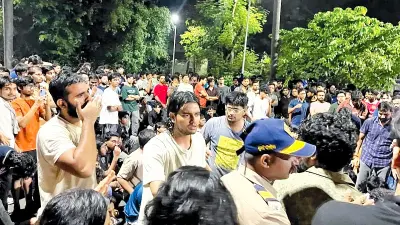

Delhi Police have arrested four people for running a sophisticated extortion racket that preyed on men through fake dating profiles. The accused allegedly created fake accounts on apps like Tinder and QuackQuack, lured victims into conversations, and then blackmailed them by impersonating police officers and threatening to file false rape cases.
For the victims, the nightmare began with a simple match on a dating app. What followed was a calculated trap designed to exploit fear, shame, and the social stigma surrounding false accusations. The gang’s method was simple but devastating: befriend a man, then turn the tables with threats of legal action and public disgrace.
How the Dating App Extortion Racket Worked
According to Delhi Police, the accused would create fake profiles on dating platforms to initiate contact with men. Once trust was established, the gang would switch roles. They would impersonate police officers, contacting the victim and claiming that a woman had filed a rape complaint against them.
The threat was direct: pay a sum of money, or face arrest and a public court case. The victims, fearing the social and legal consequences, often complied. The gang exploited the deep-seated fear of false accusations and the potential damage to a person's reputation and family life.
Why This Matters for Dating App Users
This case highlights a growing and dangerous trend in India: the weaponization of legal threats for financial gain. The gang didn't need to commit a crime; they only needed to create the credible fear of one. For many men, the threat of a false rape case is enough to trigger panic and compliance.
The emotional and financial toll on victims is severe. Beyond the money lost, there is the constant anxiety of a potential legal battle, the strain on family relationships, and the social stigma that can follow even a false allegation. The gang preyed on these very vulnerabilities.
What Changed: From Dating to Danger
The shift from a normal dating app interaction to a criminal extortion attempt was sudden and deliberate. Victims went from chatting with a potential partner to being threatened by someone claiming to be a police officer. This rapid escalation left little time for rational thought, forcing victims into a corner where paying seemed like the only way out.
What Readers Should Do Now
If you or someone you know is contacted by someone claiming to be a police officer demanding money over a dating app interaction, do not pay. Immediately contact the local police station or the cyber crime helpline at 1930. Verify the identity of any caller claiming to be an officer. Never share personal or financial information with someone you have only met online.
Our Take: Editorial Analysis
The bottom line is that this racket worked because it exploited a real and painful societal fear. The threat of a false case is a powerful weapon, and these criminals used it with precision. What matters here is the need for greater public awareness. Dating app users must be cautious, but also must know that they have recourse. The police have a system to handle such complaints, and victims should not suffer in silence. The arrest of this gang is a strong signal, but the real defense is an informed public that refuses to be intimidated.