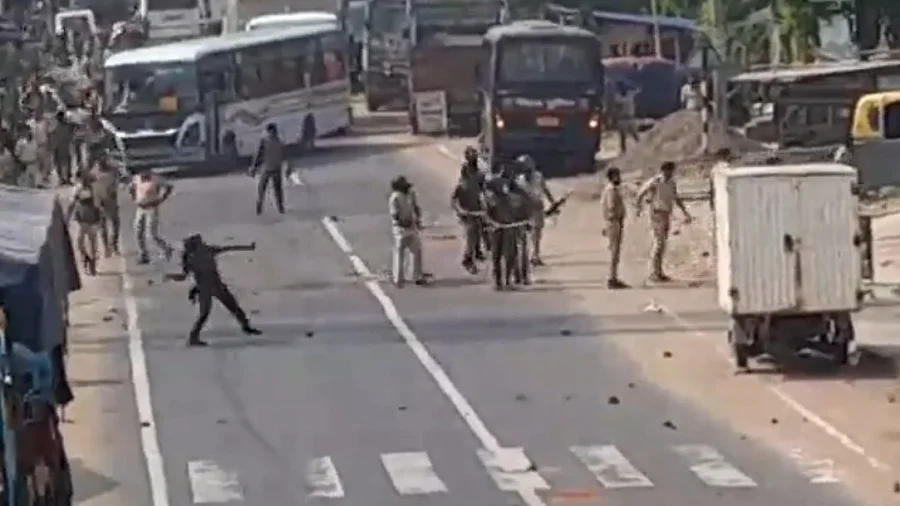
What began as a desperate plea for educational access in Bihar's Nalanda district turned into a violent confrontation on Thursday, leaving three police personnel injured and at least 10 protesters arrested. The unrest, which erupted during a road blockade in Nagarnausa, underscores the simmering frustration of a community that has waited years for a basic educational institution.
How a Peaceful Demand Turned Violent in Nagarnausa
Students, parents, and local residents gathered in large numbers on a key thoroughfare in Nagarnausa, blocking traffic and raising slogans against the government and local administration. Their demand was simple but long-standing: the establishment of a degree college in the area. For years, they claim, authorities have ignored repeated assurances, leaving young people with no option but to travel long distances for higher education.
Why This Protest Matters for Rural Bihar
The violence in Nalanda is not an isolated incident but a symptom of a deeper crisis in Bihar's education system. Rural areas, particularly in districts like Nalanda, lack sufficient degree colleges, forcing students to either drop out or migrate to urban centres. This protest reflects the growing desperation of communities who feel abandoned by the state's educational infrastructure. For families in Nagarnausa, a degree college is not just a building—it is a lifeline to economic mobility and social progress.
Timeline of the Clash: From Slogans to Stones
According to eyewitnesses, the protest began peacefully, with demonstrators chanting slogans and holding placards. However, tensions flared when police attempted to disperse the crowd. What followed was a chaotic scene: protesters allegedly pelted stones, damaged government vehicles, and clashed with law enforcement. Three police personnel sustained injuries during the melee. Police responded by arresting at least 10 individuals, though the exact number of those detained remains unclear.
Who Is Affected by This Incident
The immediate victims are the injured police personnel and the arrested protesters, but the broader impact falls on the entire Nagarnausa community. Students who had hoped for a peaceful resolution now face an uncertain future. Parents who joined the protest out of desperation now worry about legal consequences. The violence also risks polarising the community and straining relations between residents and local authorities.
Official Response and What Authorities Have Said
As of now, police have not released a detailed statement regarding the incident. Sources indicate that arrests were made under relevant sections of the Indian Penal Code for unlawful assembly, assault on public servants, and damage to public property. The local administration has promised a review of the demand for a degree college, but no concrete timeline has been provided. Officials have urged calm and warned against further violence.
Why the Demand for a Degree College Has Been Ignored for Years
The demand for a degree college in Nagarnausa is not new. Local leaders and residents have raised the issue repeatedly with district and state authorities. However, bureaucratic delays, lack of funding, and political apathy have stalled progress. Bihar, despite recent improvements, still lags behind many states in higher education access. According to government data, the state has one of the lowest gross enrolment ratios in higher education in India, with rural areas particularly underserved.
Confirmed Facts vs What Remains Unclear
What is confirmed: Three police personnel were injured, government vehicles were damaged, and at least 10 protesters were arrested during a road blockade in Nagarnausa, Nalanda district. The protest was over the demand for a degree college. What remains unclear: The exact sequence of events that led to violence, the number of protesters involved, the severity of injuries to police personnel, and whether any protesters were also injured. Police have not yet confirmed if any protesters were hurt. The specific legal charges against the arrested individuals are also pending official confirmation.
Risks and Concerns Emerging from the Clash
The violence raises several concerns. First, it could set a precedent for future protests, where frustration turns into confrontation. Second, the arrests may deter peaceful dissent, pushing grievances underground. Third, the incident could damage the credibility of the local administration, which has failed to address a legitimate demand for years. Critics argue that the government's neglect of educational infrastructure is the root cause of such unrest. Supporters of the police, however, say law enforcement had no choice but to act when the protest turned violent.
Wider Pattern: Educational Protests Across Bihar
This is not the first time educational demands have sparked protests in Bihar. In recent years, students have clashed with authorities over the lack of colleges, poor infrastructure, and teacher shortages in districts like Gaya, Muzaffarpur, and Darbhanga. The pattern is consistent: peaceful demands are ignored, frustration builds, and protests escalate into violence. The Nalanda incident fits into this broader narrative of systemic neglect of rural education in the state.
What Students and Residents Should Do Now
For those affected by the protest, the immediate priority is to stay safe and avoid further confrontation. Legal aid organisations can assist families of arrested protesters. Students and residents should continue to press their demand through peaceful, lawful channels—petitions, representations to local MLAs, and public meetings. Engaging with the media and civil society groups can also amplify their voice without risking violence. The local administration should be held accountable through RTI applications and public hearings.
What Could Happen Next in Nalanda
The immediate future depends on the administration's response. If authorities announce a concrete plan for establishing a degree college, tensions may ease. However, if the demand continues to be ignored, further protests—possibly more organised and larger—are likely. The arrested individuals may face legal proceedings, which could take months. The incident may also become a political issue, with opposition parties using it to criticise the state government ahead of elections.
Our Take
The Nalanda protest violence is a tragic but predictable outcome of years of administrative neglect. While no one condones violence, it is hard to ignore the desperation that drove ordinary students and parents to the streets. The government must recognise that educational infrastructure is not a luxury but a fundamental right. The real failure here is not the protest turning violent—it is the system that forced people to protest in the first place. A degree college in Nagarnausa would not just be a building; it would be a statement that the state values its rural youth.
Frequently Asked Questions
Why did the protest in Nalanda turn violent?
The protest, initially peaceful, escalated when police attempted to disperse the crowd. Eyewitnesses report that tensions flared, leading to stone-pelting, damage to government vehicles, and injuries to police personnel. The underlying cause is years of frustration over the unmet demand for a degree college.
How many people were arrested in the Nalanda protest?
At least 10 protesters were arrested by police. The exact number may change as investigations continue. Those arrested are expected to face charges related to unlawful assembly, assault on public servants, and damage to public property.
What is the demand of the protesters in Nagarnausa?
Protesters are demanding the establishment of a degree college in Nagarnausa, Nalanda district. They argue that the lack of a local college forces students to travel long distances for higher education, limiting opportunities for rural youth.
What should students do if they want to continue the protest peacefully?
Students should organise through recognised student unions, file formal petitions with the district administration, approach local MLAs, and engage with media and civil society. Legal aid can help those arrested. Violence only undermines the legitimacy of the demand.