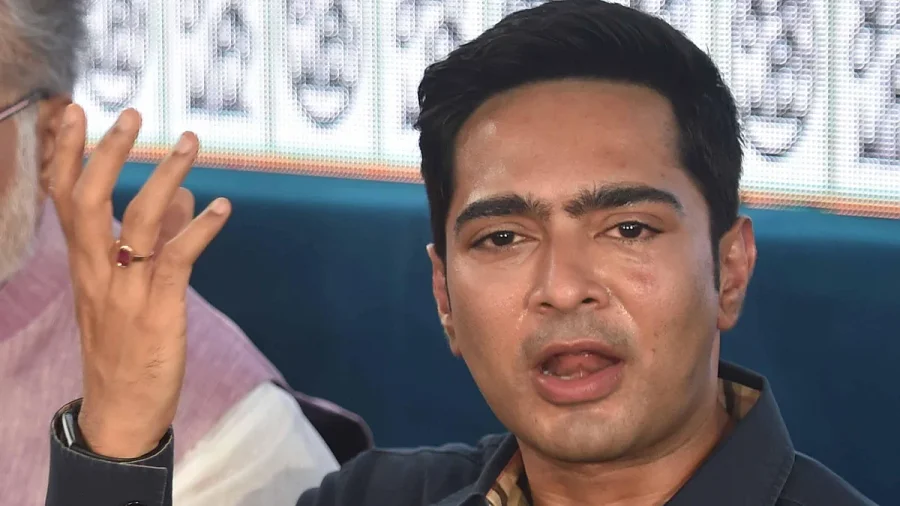
Trinamool Congress MP Abhishek Banerjee's legal troubles deepened on Wednesday as the Madhya Pradesh High Court lifted the interim stay on his arrest warrant in a defamation case. The order, delivered by Justice Pramod Kumar Agarwal, clears the way for the lower court in Bhopal to proceed with the warrant, potentially putting the TMC general secretary in a precarious position.
What the MP High Court order means for Banerjee
The single bench dismissed Banerjee's petition challenging the arrest warrant and vacated the stay that had been granted in November 2025. The court also directed that a copy of the order be sent to the MP-MLA court in Bhopal, effectively restarting the legal process against the TMC leader.
Why this defamation case matters politically
The defamation complaint was filed in 2021 by Akash Vijayvargiya, son of senior BJP leader Kailash Vijayvargiya and a former Indore MLA. The case stems from remarks made during a public meeting in Kolkata, which Vijayvargiya claimed were defamatory. For Banerjee, this is not just a legal hurdle but a political one, coming at a time when his party is already battling corruption allegations.
Timeline of the case: From 2021 to today
The complaint was filed in 2021, leading to an arrest warrant being issued by a Bhopal court. Banerjee challenged this in the MP High Court, which initially granted a stay in November 2025. However, on Wednesday, the court reversed its position, dismissing his petition and lifting the stay. The exact reasons for the reversal were not immediately detailed in the order.
Who is affected and what's at stake
For Abhishek Banerjee, the order adds to an already heavy legal burden. He is currently under investigation by the Enforcement Directorate in connection with alleged corruption cases, including the primary school jobs scam, where he was grilled for over 11 hours. The defamation case now threatens his freedom of movement and could lead to arrest if he fails to get relief from a higher court.
Court's directive and next legal steps
The High Court has sent the order to the MP-MLA court in Bhopal, which will now decide on the execution of the warrant. Banerjee's legal team is expected to explore options, including filing an appeal before a division bench or seeking anticipatory bail. The coming days will be critical for the TMC leader.
What this development means for the TMC
The case is a fresh headache for the Trinamool Congress, which has been defending Banerjee against multiple investigations. The party has consistently called the cases politically motivated, but the court's decision adds legal weight to the allegations. For the BJP, it's a chance to press the offensive against a key opposition figure.
Confirmed Facts vs What Remains Unclear
Confirmed: The MP High Court has lifted the stay on the arrest warrant. The court dismissed Banerjee's petition. The order has been sent to the MP-MLA court in Bhopal. The defamation case was filed by Akash Vijayvargiya in 2021.
Unclear: The exact timeline for the execution of the warrant. Whether Banerjee will be arrested immediately or given time to appeal. The specific remarks that led to the defamation complaint have not been fully detailed in public court records.
Risks and Balanced View
While the court's order is a setback for Banerjee, it does not automatically mean arrest. He can still seek legal remedies. Critics argue the case is part of a pattern of using defamation laws to target political opponents. Supporters of the BJP say the law must take its course regardless of political affiliation. The balance lies in whether the legal process is seen as fair or weaponized.
Wider pattern of defamation cases in Indian politics
This case fits into a broader trend of politicians using defamation laws against rivals. From Rahul Gandhi's conviction in a Modi surname case to multiple cases against Arvind Kejriwal, defamation has become a common legal tool in Indian politics. The Abhishek Banerjee case is another example of how political rivalry often plays out in courtrooms.
Practical guidance for readers
For those following Indian politics, this case highlights the intersection of law and political strategy. For Banerjee's supporters, the key is to watch for any appeal or bail application. For legal observers, the case raises questions about the use of arrest warrants in defamation matters, which are typically bailable offenses.
What could happen next
Banerjee is likely to approach the Supreme Court or seek anticipatory bail from the MP High Court's division bench. The MP-MLA court may also issue a fresh notice before executing the warrant. The political fallout will depend on how quickly the legal process moves and whether Banerjee can avoid arrest.
Our Take
This is a significant legal blow for Abhishek Banerjee, but it is not the end of the road. The case underscores how defamation laws, originally meant to protect reputation, are now routinely used as political weapons. The real test will be whether the judiciary can ensure that legal processes are not exploited for partisan gains. For now, Banerjee's focus will be on staying out of custody while fighting a multi-front legal battle.
Frequently Asked Questions
Why was the arrest warrant issued against Abhishek Banerjee?
The warrant was issued in a defamation case filed by BJP leader Akash Vijayvargiya in 2021, related to remarks made during a public meeting in Kolkata.
What did the MP High Court decide?
The court lifted the interim stay on the arrest warrant, dismissed Banerjee's petition, and sent the order to the MP-MLA court in Bhopal for further action.
Will Abhishek Banerjee be arrested now?
Not immediately. He can appeal to a higher court or seek anticipatory bail. The lower court will decide on the execution of the warrant.
Is this case politically motivated?
The TMC claims it is, while the BJP insists on legal due process. The court's decision is based on legal merits, but the timing and context are undeniably political.