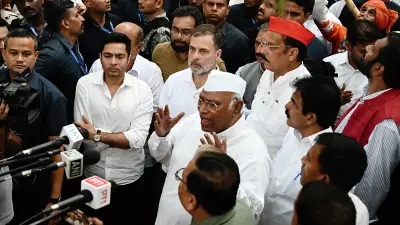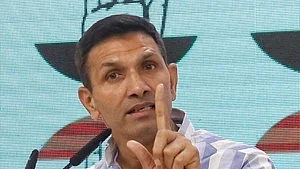
The numbers don't add up, and Madhya Pradesh Congress president Jitu Patwari wants them checked. On Friday, he wrote to Chief Minister Mohan Yadav demanding a public audit of 110 agricultural markets in the state that collect more than Rs 3 crore annually through mandi and licence fees — yet allegedly fail to provide even basic facilities to the farmers who keep them running.
The Core Question: Where Is the Mandi Money Going?
Patwari's letter zeroes in on a glaring contradiction. These 110 mandis are among the highest revenue earners in the state, classified by the Madhya Pradesh Mandi Board based on the money they collect. If they are generating substantial income, the Congress leader argues, they should have more than enough resources to provide drinking water, toilets, shaded areas, proper roads, seating, and storage infrastructure.
The absence of these essentials, he suggested, points to a systemic failure in how mandi funds are being utilised — or misutilised.
Why This Matters for Farmers Across the State
For the average farmer, a mandi is not just a marketplace — it is the lifeline where they sell their produce and earn their livelihood. A farmer who travels kilometres with a truckload of grain expects a place to sit, water to drink, and a roof over their head while waiting for the right price.
When these basics are missing, it is not an inconvenience; it is a daily struggle that eats into their earnings and dignity. The demand for a public audit is essentially a demand for accountability — to show whether the fees collected from farmers are actually being spent on them.
How the Mandi Board Categorises Markets
The Madhya Pradesh Mandi Board categorises agricultural markets according to the revenue collected through mandi and licence charges. This classification determines the expected level of infrastructure and facilities at each market.
Patwari's argument is straightforward: mandis in the higher revenue categories should be model markets. Instead, he alleges, many of them are operating with facilities that would be inadequate even for a small-town weekly haat.
The Raghogarh Example and the Pattern It Reveals
In his letter, Patwari cited the Raghogarh mandi as a specific example of this failure. While the full details of his allegations regarding Raghogarh are still emerging, the broader pattern he describes is consistent: high revenue collection, low infrastructure investment.
If Raghogarh — a mandi with significant earnings — lacks basic amenities, the Congress leader's argument goes, what must the condition be at smaller markets with even fewer resources?
Official Response and Political Implications
As of now, there has been no reported official response from the Mohan Yadav government to Patwari's letter. The demand for a public audit has been formally submitted, and the ball is now in the government's court.
This is not just an administrative demand; it is a political one. In a state where agriculture is the backbone of the economy and farmers are a crucial voting bloc, the Congress is positioning itself as the defender of farmer interests against an allegedly indifferent administration.
What a Public Audit Could Actually Reveal
A public audit of these 110 mandis would go beyond just checking accounts. It would examine whether the funds collected through mandi fees and licence charges have been allocated for infrastructure development, whether the money reached the intended projects, and why basic facilities remain absent despite adequate revenue.
It would also set a precedent — if high-revenue mandis are found lacking, it raises uncomfortable questions about the hundreds of smaller mandis across the state that operate with even less oversight.
Confirmed Facts vs What Remains Unclear
What is confirmed: Jitu Patwari has written to CM Mohan Yadav demanding a public audit of 110 mandis earning over Rs 3 crore annually. He has cited the Raghogarh mandi as an example and questioned the lack of basic facilities despite high revenue collection.
What remains unclear: The specific condition of each of the 110 mandis, the government's response to the allegations, and whether the mandi board has any internal assessment of infrastructure gaps. These details will only emerge if the audit is actually conducted or if the government responds officially.
Risks and the Other Side of the Argument
While the Congress's demand resonates with farmers who experience these facilities daily, there are counterpoints to consider. The government may argue that infrastructure development is a phased process and that revenue from mandis is also used for other agricultural welfare schemes, not just physical facilities at each market.
There is also the question of whether a public audit is the most effective mechanism, or whether an internal review by the Mandi Board with published findings would achieve the same transparency. Critics of the demand may see it as political posturing ahead of elections, while supporters view it as a legitimate accountability tool.
The Broader Pattern: Farmer Infrastructure Across India
This controversy is not unique to Madhya Pradesh. Across India, agricultural markets have long struggled with inadequate infrastructure — from lack of cold storage to poor sanitation. The gap between revenue collection and farmer-facing facilities is a recurring complaint in states like Punjab, Maharashtra, and Uttar Pradesh.
What makes the MP case notable is the explicit demand for a public audit — a move that, if accepted, could become a template for farmer organisations and opposition parties in other states to demand similar transparency.
What Farmers and Citizens Should Watch For
For farmers who use these mandis, the immediate step is to document their own experiences — the facilities they lack, the fees they pay, and the conditions they endure. This grassroots evidence would be powerful if a public audit is eventually conducted.
For citizens and observers, the key is to watch how the government responds. A willingness to conduct the audit would signal accountability; a refusal or delay would raise further questions about what the government is trying to hide.
Future Outlook: What Happens Next
The immediate future depends on the government's response to Patwari's letter. If the audit is accepted, it could lead to a comprehensive review of mandi infrastructure across the state, with potential corrective action at the 110 identified markets.
If the demand is rejected, the Congress is likely to escalate the issue — through protests, public documentation of facility gaps, and political mobilisation of farmers. Either way, the spotlight on these 110 mandis is unlikely to fade quickly.
Our Take
This is more than a political spat. At its core, it is a question of whether institutions that collect money from farmers are accountable to those same farmers. The mandi fee is not a tax on the wealthy; it is a charge on the most vulnerable link in the agricultural supply chain — the farmer who has no choice but to sell through the system.
When that system fails to provide even a roof or a toilet, the demand for an audit is not just reasonable; it is overdue. Whether the government sees it that way will tell us a great deal about its priorities.
Frequently Asked Questions
Why is Congress demanding a public audit of 110 mandis in Madhya Pradesh?
Congress state president Jitu Patwari has demanded a public audit of 110 mandis that earn over Rs 3 crore annually, alleging that despite high revenue collection through mandi and licence fees, these markets lack basic facilities like drinking water, toilets, shaded areas, and storage infrastructure for farmers.
What did Jitu Patwari say in his letter to CM Mohan Yadav?
Patwari questioned how mandis collecting substantial sums through fees continue to lack essential amenities. He argued that higher-revenue category mandis should have sufficient resources to provide adequate facilities and cited the Raghogarh mandi as a specific example of inadequate infrastructure despite significant earnings.
How does the Madhya Pradesh Mandi Board categorise agricultural markets?
The Madhya Pradesh Mandi Board categorises agricultural markets based on the revenue collected through mandi and licence charges. Higher revenue categories are expected to have better infrastructure and facilities, which is why the Congress is questioning why these 110 high-earning mandis allegedly lack basic amenities.
What facilities are reportedly missing at these mandis?
According to Patwari's letter, the missing facilities include drinking water, toilets, shaded areas, proper roads, seating arrangements, and storage infrastructure — all basic amenities that farmers should reasonably expect at markets where they pay fees to sell their produce.