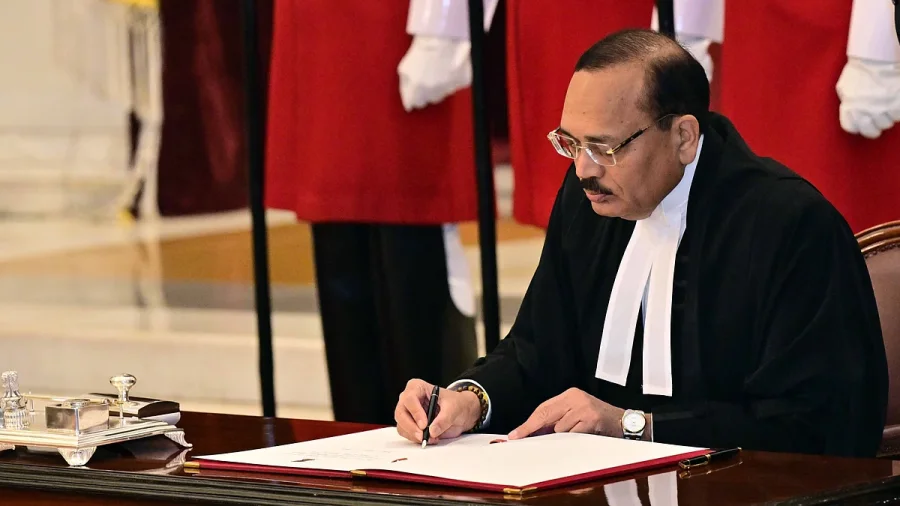
The Chief Justice of India, Surya Kant, found himself at the center of a political and social firestorm on Saturday after his remarks comparing some unemployed youth and activists to “parasites” and “cockroaches” drew sharp condemnation from across the spectrum. Facing a mounting backlash, the CJI issued a clarification, insisting his comments were not a blanket indictment of India’s youth but were specifically directed at individuals who enter professions using fake and forged degrees.
The clarification, reported by legal news portals Live Law and Bar and Bench, came a day after the controversial remarks were made during a Supreme Court hearing. The CJI alleged that a section of the media had “misrepresented” his observations, wrongly portraying them as a criticism of the country’s entire youth population.
How the Controversy Unfolded Inside the Supreme Court
The controversy erupted on Friday during a hearing related to a senior advocate. According to reports, the CJI, while expressing concern over the integrity of the legal profession, made a sweeping statement that drew an immediate parallel between certain unemployed individuals and pests. The exact phrasing, which included the words “cockroaches” and “parasites,” was quickly picked up by news wires and social media, triggering a wave of outrage.
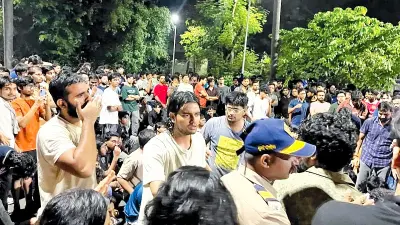
Opposition leaders, activists, lawyers, and journalists were quick to condemn the remarks, arguing that they were insensitive and demeaning to millions of unemployed youth in a country grappling with a severe jobs crisis. The criticism was not limited to political circles; legal experts and civil society members also expressed dismay, questioning the appropriateness of such language from the highest judicial office in the land.
Who the CJI Says He Was Actually Targeting
In his clarification on Saturday, the CJI sought to narrow the scope of his original statement. He specifically stated that his criticism was reserved for those who had entered the legal profession—and potentially other fields—using fake and forged degrees. “I specifically criticised those who entered fields like the Bar using fake and forged degrees. Such people have also…,” the CJI was quoted as saying, though the full context of his clarification was still being parsed by legal observers.
This distinction is crucial. The CJI’s defense suggests that his remarks were not a commentary on the broader unemployment crisis or the struggles of India’s youth, but rather a targeted attack on a specific form of professional malpractice—the use of fraudulent credentials to gain entry into the legal profession.
Why the Backlash Was So Intense
The intensity of the backlash can be attributed to the raw nerve the remarks touched. In a country where youth unemployment remains a persistent and painful issue, any suggestion that jobless individuals are akin to “parasites” or “cockroaches” is bound to provoke a strong emotional response. The CJI’s original comments, as reported, appeared to lack the nuance that his clarification later provided.
Furthermore, the remarks came at a time when the judiciary itself is under scrutiny for various issues, including allegations of nepotism and procedural delays. The use of such language by the highest judicial authority was seen by many as a tone-deaf moment, undermining the court’s image as a sensitive and empathetic institution.
What the CJI’s Clarification Means for the Legal Profession
The CJI’s clarification shifts the focus from a general critique of unemployed youth to a specific concern about the integrity of the legal profession. This is a significant point for the legal community. The issue of fake degrees and forged credentials is a serious one, undermining the credibility of the Bar and the justice system as a whole.
By clarifying his target, the CJI has effectively opened a new line of discussion: the need for stricter verification of credentials for lawyers and other professionals. This could lead to policy changes or more rigorous scrutiny by the Bar Council of India and other regulatory bodies.
“I specifically criticised those who entered fields like the Bar using fake and forged degrees.” — Chief Justice Surya Kant, as reported by Live Law and Bar and Bench
Why Similar Controversies Are Becoming More Common
This incident is not an isolated one. In recent years, several high-profile figures—from politicians to celebrities—have faced backlash for using insensitive language when discussing unemployment or social issues. The pattern suggests a growing disconnect between the language used by those in positions of power and the lived realities of ordinary citizens.
The CJI’s case is particularly notable because it involves the judiciary, an institution that is traditionally expected to be above such controversies. The speed and intensity of the backlash also reflect the power of social media and 24-hour news cycles to hold public figures accountable for their words.
- The CJI’s original remarks were made during a hearing on a senior advocate’s case.
- The clarification was issued on Saturday, a day after the initial controversy.
- Legal news portals Live Law and Bar and Bench were the primary sources for the clarification.
What Readers Should Know Now
For the average reader, this story serves as a reminder of the importance of context and nuance in public discourse. The CJI’s clarification highlights how a single statement, stripped of its context, can be misinterpreted and amplified, leading to a national controversy.
It also underscores the ongoing debate about the integrity of professional qualifications in India. While the CJI’s original remarks were widely condemned, his clarification has refocused attention on a genuine problem: the prevalence of fake degrees and the need for stronger regulatory oversight.
What Could Happen Next
The immediate fallout is likely to be a continued debate in legal and political circles about the appropriateness of the CJI’s language. However, the clarification may also lead to a more substantive discussion about the verification of professional credentials, particularly in the legal field.
It remains to be seen whether the opposition will accept the CJI’s clarification or continue to demand a formal apology. The incident may also prompt the Supreme Court to issue a more formal statement or guidelines regarding the language used by judges in open court.
Our Take: Why This Story Matters Beyond One Incident
This controversy is not just about one judge’s choice of words. It is a reflection of a deeper societal tension: the gap between the language of authority and the reality of public suffering. The CJI’s original remarks, even if misconstrued, revealed an underlying perception that some in power view unemployment as a personal failing rather than a systemic crisis.
The clarification, while necessary, also raises questions about accountability. If the media “misrepresented” the remarks, who bears the responsibility for the initial reporting? And more importantly, how can the judiciary ensure that its pronouncements are communicated with the precision and sensitivity that the office demands?
Ultimately, this story is a case study in how quickly a single phrase can spiral into a national controversy, and how difficult it can be to walk back the damage, even with a clarification.
FAQs
What exactly did CJI Surya Kant say that caused the backlash?
During a Supreme Court hearing on Friday, the CJI reportedly compared some unemployed youth and activists to “parasites” and “cockroaches,” which sparked widespread outrage.
What was the CJI’s clarification?
On Saturday, the CJI clarified that his remarks were not directed at India’s youth in general, but specifically at individuals who enter professions like the Bar using fake and forged degrees.
Why did the CJI’s remarks cause such a strong reaction?
The remarks were seen as insensitive and demeaning to millions of unemployed youth in a country facing a severe jobs crisis. The language was considered inappropriate for the highest judicial office.
Who criticized the CJI’s original remarks?
Opposition leaders, activists, lawyers, and journalists were among those who sharply criticized the CJI’s original comments.
What did the CJI say about the media’s role?
The CJI claimed that a section of the media had “misrepresented” his observations and wrongly portrayed them as criticism of the country’s youth.
What are the implications of this controversy for the legal profession?
The CJI’s clarification has shifted the focus to the issue of fake degrees and forged credentials in the legal profession, potentially leading to stricter verification processes by regulatory bodies.