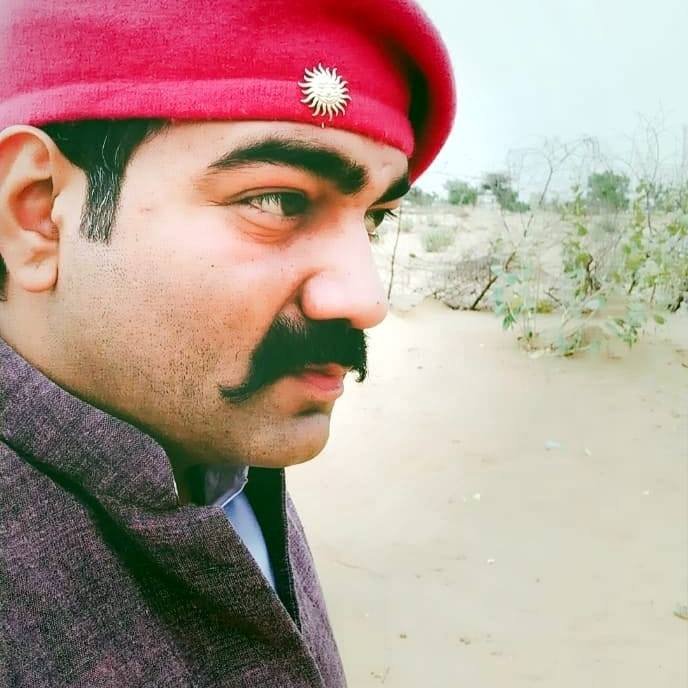
In a dramatic turn of events that has sent shockwaves through security establishments on both sides of the border, Burhan Hamza — the Al-Badr commander widely accused of masterminding the devastating 2019 Pulwama terror attack — has been shot dead by unidentified assailants in Muzaffarabad, the capital of Pakistan-occupied Kashmir (PoK). The killing, which took place under heavy ISI-vetted security, raises immediate questions about internal rivalries, accountability, and the fate of other fugitives.
The Killing of a Mastermind: What Happened in Muzaffarabad
According to officials cited by PTI, Burhan Hamza, also known by the alias "Doctor," was ambushed by two unidentified gunmen in Muzaffarabad. The assailants, whose identities remain unknown, managed to bypass the high-level security that Hamza was reportedly under, provided by Pakistan's Inter-Services Intelligence (ISI). The attack occurred in a residential area, and Hamza was declared dead on the spot. Local police in PoK have cordoned off the area and launched an investigation, but no group has yet claimed responsibility.
Why This Matters Right Now
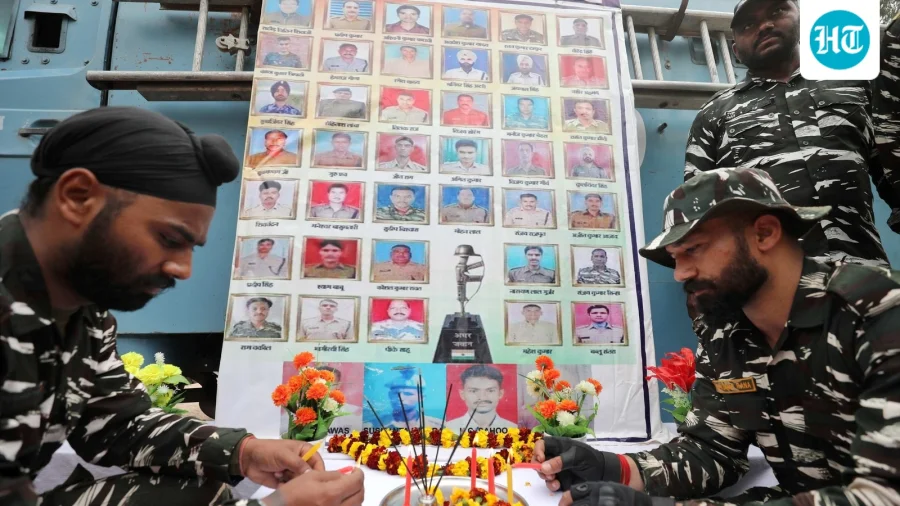
This is not just the killing of a militant commander. Burhan Hamza was the alleged architect of one of the deadliest attacks on Indian security forces in decades. The February 14, 2019, Pulwama attack claimed the lives of 40 Central Reserve Police Force (CRPF) personnel and pushed India and Pakistan to the brink of a full-scale military confrontation. His death, while a significant development, also exposes the fragile and often violent ecosystem of terror networks operating under state patronage. For the families of the Pulwama martyrs, this news brings a complex mix of emotions — a sense of justice, but also the painful reminder that the mastermind was living freely in PoK for years.
How the 2019 Pulwama Attack Unfolded
On February 14, 2019, a suicide bomber drove an explosive-laden vehicle into a CRPF convoy on the Jammu-Srinagar National Highway near Lethpora in Pulwama district. The blast killed 40 jawans instantly and left the nation in mourning. India blamed the Pakistan-based terror group Jaish-e-Mohammed (JeM) for the attack. However, subsequent investigations and intelligence reports pointed to a broader conspiracy involving multiple groups, including Al-Badr. Burhan Hamza, a young commander in his early 20s, was identified as the operational mastermind who planned and coordinated the attack. He fled to Pakistan-occupied Kashmir shortly after, where he was given shelter and protection.
Who Is Affected and What Officials Are Saying
The primary victims of this story remain the families of the 40 CRPF personnel who lost their lives in Pulwama. For them, Hamza's death may feel like a delayed but significant step toward accountability. Indian security officials have not officially commented on the killing, but sources indicate that New Delhi is closely monitoring the situation. In PoK, local authorities have expressed concern over the breach of security, while some Pakistani media outlets have downplayed the incident, calling it an internal matter. The silence from the ISI is notable, given their role in protecting Hamza.
What We Know So Far — and What Remains Unclear
What we know: Burhan Hamza was shot dead by two unidentified gunmen in Muzaffarabad. He was under ISI protection. The attack happened in a residential area. No group has claimed responsibility.
What remains unclear: Who were the assailants? Was this an internal settling of scores within terror groups, a targeted operation by Indian intelligence, or a rogue act by local rivals? Why was Hamza's security breached? And what will happen to other wanted terrorists living in PoK? These questions remain unanswered, and the lack of official transparency from Pakistani authorities only deepens the mystery.
Risks, Concerns, and the Balanced View
While the death of a terror mastermind is generally seen as a positive development, there are significant risks and concerns. First, the killing could trigger retaliatory attacks by Al-Badr or allied groups against Indian security forces in Jammu and Kashmir. Second, the incident highlights the porous and violent nature of PoK, where even high-value assets are not safe. Third, some analysts warn that Hamza's death could be used by Pakistan to claim they are "cleaning up" terror elements, a narrative that India is unlikely to accept. On the other hand, the killing demonstrates that even those under the ISI's protective umbrella are not invincible, which could deter future masterminds.
Why Similar Trends Are Growing
The killing of Burhan Hamza is part of a broader pattern of internal violence within terror networks operating in Pakistan and PoK. In recent years, several high-profile militants have been killed in mysterious circumstances — some by rival factions, others by unknown assailants. This trend reflects the deep fractures within these groups, often fueled by ideological differences, financial disputes, or personal vendettas. It also underscores the growing instability in PoK, where state control is increasingly challenged by non-state actors.
- Burhan Hamza was an Al-Badr commander, a group that has historically operated in Jammu and Kashmir.
- The 2019 Pulwama attack led to India's Balakot airstrike and a subsequent aerial dogfight between Indian and Pakistani air forces.
- Hamza was reportedly in his early 20s at the time of the attack, making him one of the youngest masterminds of a major terror operation.
"One of the masterminds behind the 2019 Pulwama terror attack, Hamza Burhan, was shot dead by two unidentified assailants in Muzaffarabad, Pakistan." — News9live, citing PTI
What Readers, Users, or Investors Should Know Now
For the general public, this news is a reminder that the fight against terrorism is far from over. While the death of a key figure is significant, the networks that enabled him remain largely intact. For those following national security, this development could lead to increased tensions along the Line of Control (LoC) and a possible spike in infiltration attempts. Investors and businesses with exposure to Jammu and Kashmir should monitor the security situation closely, as any escalation could impact regional stability.
What Could Happen Next
Several scenarios are possible. The most likely is that Indian security forces will remain on high alert for potential revenge attacks. Pakistan may use this incident to project an image of "action against terrorists," though India is expected to dismiss this as propaganda. There is also a possibility that more details about the assailants will emerge, potentially linking them to rival terror groups or even internal Pakistani security apparatus. In the long term, Hamza's death could weaken Al-Badr's operational capability in Kashmir, but it could also create a power vacuum that leads to more violence.
Our Take: Why This Story Matters Beyond One Incident
The killing of Burhan Hamza is not just about one man's death. It is a stark illustration of the brutal, shadowy world of state-sponsored terrorism and the fragile alliances that sustain it. For India, it is a moment of quiet vindication, but also a reminder that the real battle is against the ideology and infrastructure that produce such masterminds. For the families of the Pulwama martyrs, this may bring a measure of closure, but the scars of that day will never fully heal. This story matters because it shows that even the most protected terrorists are not beyond reach — and that the long arm of justice, however delayed, can still strike.
FAQs
Who was Burhan Hamza and why was he killed?
Burhan Hamza, also known as Hamza Burhan and alias "Doctor," was an Al-Badr commander accused of masterminding the 2019 Pulwama terror attack that killed 40 CRPF soldiers. He was shot dead by unidentified gunmen in Muzaffarabad, Pakistan-occupied Kashmir.
What was the 2019 Pulwama attack?
The 2019 Pulwama attack was a suicide bombing on February 14, 2019, near Lethpora in Pulwama district, Jammu and Kashmir. A Jaish-e-Mohammed suicide bomber rammed an explosive-laden vehicle into a CRPF convoy, killing 40 personnel. Burhan Hamza was identified as the operational mastermind.
Is Burhan Hamza's death confirmed by officials?
Yes, according to PTI, officials have confirmed that Burhan Hamza was shot dead in Muzaffarabad. Local police in PoK have launched an investigation, and the incident has been widely reported by Indian and international media.
What does this mean for security in Jammu and Kashmir?
While the death of a key terror mastermind is a significant blow, security forces in Jammu and Kashmir remain on high alert for potential retaliatory attacks. The incident could also lead to increased tensions along the Line of Control, though it may weaken Al-Badr's operational capabilities in the region.