Just as President Donald Trump announced that a landmark agreement to reopen the Strait of Hormuz is nearly finalized, a powerful voice from within his own political circle has thrown a stark, unsettling question into the middle of the celebration. A top Trump ally in Congress is now warning that the deal, as it stands, risks handing Tehran a dangerous perception of control over one of the world’s most critical waterways—and, in doing so, forces a painful reckoning: why did the war start in the first place?
The warning cuts to the heart of a deeply sensitive issue. For months, the conflict in the Persian Gulf was framed as a necessary fight to secure global energy routes and curb Iranian aggression. Now, with a negotiated settlement on the horizon that appears to give Iran a central role in the strait’s future, the ally’s concern is not just about policy—it’s about the very narrative of the war itself.
Trump Ally Warns Against Creating Perception Tehran Controls Hormuz
The concern, voiced by a senior Republican lawmaker and close Trump confidant, is that the final terms of the deal could be interpreted as a strategic victory for Iran. The core of the warning is that by negotiating directly with Tehran over the reopening of the Strait of Hormuz, the United States is inadvertently legitimizing Iran’s claim to a gatekeeper role in the region.
“It makes one wonder why the war started to begin with,” the ally reportedly said, according to sources familiar with the private discussions. The statement reflects a growing unease among some hawks that the diplomatic off-ramp may have come at the cost of the original strategic objective: to diminish Iran’s ability to threaten global oil shipments. Instead, the perception could be that Tehran has been elevated to a position of recognized authority over the strait.
Why This Matters Right Now
This is not just a political squabble in Washington. The Strait of Hormuz is the world’s most important oil chokepoint, through which about 20% of global petroleum passes. Any perception that Iran—a nation the U.S. has been at war with—now has a formal say in its operation has immediate consequences for global energy markets, shipping insurance, and the security calculus of every Gulf nation.
For the average person, this translates directly into potential volatility at the gas pump and a heightened sense of instability in a region that has already seen devastating conflict. The emotional weight of the ally’s question—“why did the war start?”—resonates with a public that has endured years of military engagement and economic uncertainty. It forces a re-evaluation of whether the end result justifies the immense cost.
How the Deal and the Warning Unfolded
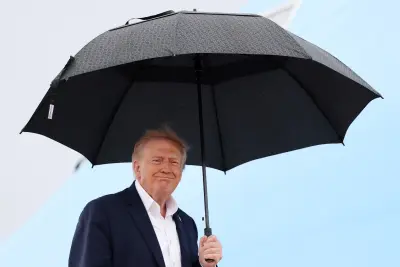
President Trump took to social media on Saturday to announce that an agreement to reopen the Strait of Hormuz was “largely negotiated, subject to finalization between the United States of America, the Islamic Republic of Iran, and the various other Countries.” He listed Saudi Arabia, the United Arab Emirates, Qatar, Pakistan, Turkey, Egypt, Jordan, and Bahrain as key partners in the talks, and noted a separate call with Israeli Prime Minister Benjamin Netanyahu.
The announcement was framed as a major diplomatic breakthrough, a step toward de-escalation after months of intense conflict. However, the celebratory tone was almost immediately undercut by the ally’s pointed warning. The lawmaker, whose name has been withheld pending a formal statement, is known for being a fierce defender of Trump’s agenda, making the criticism all the more significant. It signals that even within the president’s inner circle, there is deep anxiety about the optics and long-term strategic implications of the deal.
Who Is Affected and What Officials Are Saying
The primary stakeholders are the nations that depend on the Strait of Hormuz for their economic survival. For Saudi Arabia and the UAE, the deal could mean a return to normal oil exports, but it also means accepting a framework where Iran has a seat at the table. For Israel, which was reportedly consulted, the deal raises profound security questions about Iran’s regional influence.
Officials in the Trump administration have defended the negotiations, arguing that a diplomatic solution is preferable to endless war. “The president is securing a deal that stabilizes the region and ensures the free flow of energy,” a senior administration official said, speaking on condition of anonymity. “Any suggestion that this is a win for Iran is a misreading of the situation.”
However, the ally’s warning suggests that the administration has not yet successfully made that case to its own base. The perception problem, the ally argues, is real and could embolden Iran to make further demands in the future.
What We Know So Far — and What Remains Unclear
What we know: President Trump has confirmed that a deal is near. It involves multiple nations and is focused on reopening the Strait of Hormuz. A top congressional ally has expressed serious concerns about the perception of Iranian control.
What remains unclear: The exact terms of the agreement are still being finalized. It is not known what concessions Iran has made or what guarantees the U.S. and its allies have secured. The specific identity of the Trump ally and the full text of their warning have not been officially released. Most importantly, it is unclear how the deal will be enforced and what mechanisms will prevent Iran from reasserting control in the future.
Risks, Concerns, and the Balanced View
The most immediate risk is the one highlighted by the Trump ally: a strategic narrative victory for Iran. If the world sees Tehran as the key to unlocking the strait, Iran’s regional standing is enhanced without a corresponding military defeat.
There is also the risk of a fragile peace. The deal could be seen as a temporary truce rather than a lasting solution, leaving the door open for future confrontations. Critics argue that by negotiating under the shadow of war, the U.S. has given Iran leverage it did not earn on the battlefield.
The balanced view: Proponents of the deal argue that it is a pragmatic step to end a costly war and prevent further loss of life. They contend that a negotiated reopening of the strait is better than a continued blockade and that the alternative—an indefinite military campaign—was unsustainable. The question, they say, is not whether the deal is perfect, but whether it is better than the status quo of conflict.
Why Similar Concerns About Perception Are Growing
This is not an isolated worry. Across the political spectrum, there is a growing debate about the “perception of victory” in modern conflicts. When a superpower negotiates with a regional power after a prolonged war, the optics often favor the smaller nation that survived the onslaught. This dynamic has been seen in Afghanistan, Iraq, and now potentially in the Persian Gulf.
The concern is that Iran will use this deal to project strength domestically and regionally, claiming that it forced the United States to the negotiating table. This perception could destabilize other Gulf states and encourage Iranian proxies across the Middle East.
- The deal could be framed by Iranian state media as a victory against American aggression.
- Other nations in the region may question the reliability of U.S. security guarantees.
- Global shipping companies may still demand war-risk premiums, negating some economic benefits.
“It makes one wonder why the war started to begin with.” — Top Trump Ally in Congress
What Readers, Investors, and Gulf Residents Should Know Now
For investors, the immediate takeaway is that oil markets will remain volatile until the final terms are clear. Any perception of Iranian control could lead to a risk premium on crude prices. For residents of Gulf nations, the deal may bring a temporary halt to hostilities, but the underlying security concerns remain.
For the average American, the ally’s warning is a reminder that the end of a war does not always mean a clear victory. The coming weeks will be critical as the final details are negotiated. It is essential to watch for the specific language of the agreement—who is named as the guarantor of the strait’s security, and what role, if any, Iran is formally given.
What Could Happen Next
The next few days will likely see intense behind-the-scenes lobbying. The Trump ally and other skeptics will push for amendments or public assurances that the deal does not grant Iran de facto control. The administration will need to manage this internal dissent while finalizing the agreement with Iran and other partners.
If the deal is signed as currently envisioned, the focus will shift to implementation. Will Iran comply? Will the U.S. maintain a naval presence? The answers to these questions will determine whether the ally’s warning proves prophetic or overly cautious. A failure to address the perception problem could lead to long-term instability, even if the immediate crisis is averted.
Our Take: Why This Story Matters Beyond One Incident
The warning from the Trump ally is more than just a political headache for the White House. It is a fundamental question about the nature of modern warfare and diplomacy. When a war ends with a negotiated settlement that appears to empower the adversary, the public is left with a bitter taste of futility. The ally’s question—“why did the war start?”—is one that historians and citizens will grapple with for years.
This story matters because it exposes the gap between military objectives and diplomatic outcomes. It is a cautionary tale about the power of perception in international relations. In the end, controlling the Strait of Hormuz may be less important than controlling the narrative about who controls it. The Trump ally has forced that uncomfortable truth into the open.
FAQs
What is the main concern of the Trump ally regarding the Iran Hormuz deal?
The main concern is that the deal will create a perception that Iran controls the Strait of Hormuz, which could be seen as a strategic victory for Tehran and raise questions about the original purpose of the war.
Why is the Strait of Hormuz so important in this deal?
The Strait of Hormuz is a vital chokepoint for global oil shipments. Any perception that Iran has a formal role in its operation can affect global energy prices, shipping security, and the balance of power in the Persian Gulf.
What did President Trump say about the agreement?
President Trump announced that an agreement to reopen the Strait of Hormuz is “largely negotiated” and near finalization, involving the U.S., Iran, and several other nations including Saudi Arabia, UAE, and Israel.
How might this deal affect the average person?
The deal could lead to volatility in global oil markets, potentially affecting gas prices. It also raises broader questions about the cost and outcome of the war, which has emotional and financial implications for the public.