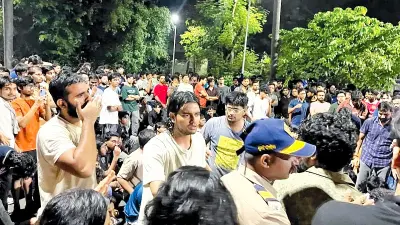
The wait for an FIR has become a test of accountability. Women journalists who alleged harassment at Jantar Mantar are still without a registered complaint, and the Opposition has seized on the delay to question both the Delhi Police and the central government. At the centre of the storm is a simple question: why has a woman's complaint not yet become a formal case?
A Complaint That Hasn't Become an FIR
According to Opposition statements, women journalists who reported harassment at Jantar Mantar have not seen their complaint converted into a First Information Report. Without an FIR, the formal investigation process cannot begin, leaving the complainants in a legal limbo. The Opposition has framed this as a failure of basic policing duty.
Why the Delay Matters Beyond One Case
For the journalists involved, an FIR is not just paperwork—it is the first step toward legal recourse. A delay signals to many women that reporting harassment may not lead to action. The case has therefore become a flashpoint for broader concerns about how seriously women's complaints are treated, especially when they involve public figures or sensitive locations.
How the Political Pressure Built Up
The issue escalated when Rahul Gandhi publicly flagged the alleged police "misconduct at Jantar Mantar" on Saturday. He asked why the government "fears registering a woman's complaint," directly targeting the Home Minister. His remarks were quickly amplified by other Opposition leaders, turning a specific grievance into a national political question.
The Human Cost of Waiting
Behind the political rhetoric are individual women who say they faced harassment and then faced a system that has not yet formally acknowledged their complaint. For them, the delay is not abstract. It affects their sense of safety, their willingness to report future incidents, and their trust in institutions that are supposed to protect them.
What the Authorities Have Said—and Not Said
As of available reports, neither Delhi Police nor the Home Ministry has issued a clear public statement explaining the delay or confirming when an FIR might be registered. The absence of an official response has only fuelled Opposition criticism and public speculation. Without a formal explanation, the vacuum is being filled by political narratives.
Reading the Silence: What It Signals
In policing matters, delay can stem from procedural checks, jurisdictional questions, or internal reviews. But when no explanation is offered, the silence itself becomes a statement. Critics argue that the lack of urgency in registering an FIR suggests a reluctance to pursue a case that could embarrass the administration. Supporters of the government have not offered a counter-narrative in available reports.
Confirmed Facts vs What Remains Unclear
Confirmed: Women journalists have alleged harassment at Jantar Mantar; Rahul Gandhi and other Opposition leaders have publicly criticised the delay in FIR registration; no FIR has been reported as registered yet.
Unclear: The exact sequence of events, the specific nature of the harassment allegations, the reasons for the delay, and whether Delhi Police has sought any clarification from the complainants. All speculation about motives should be treated as unverified.
Why This Case Resonates Across India
This is not an isolated incident. It taps into a wider pattern of women's complaints getting stuck in procedural delays, especially when they involve public spaces or political sensitivities. The Jantar Mantar case has become a symbol of that larger problem, which is why it has drawn attention far beyond Delhi.
What Readers Can Take Away
For citizens, the case underscores the importance of documenting complaints and following up through official channels. For journalists, it highlights the risks women face while reporting from public spaces. For policymakers, it is a reminder that delayed justice often feels like denied justice. The pressure will likely continue until an FIR is registered or a clear explanation is provided.
What Could Happen Next
If no FIR is registered soon, the Opposition is expected to escalate the issue in Parliament and on the streets. Delhi Police may eventually issue a statement or register the complaint under public pressure. The case could also prompt a broader review of how harassment complaints from journalists are handled. Much depends on whether the authorities choose transparency or continued silence.
Our Take
This story is less about one incident and more about institutional responsiveness. When women journalists—whose job is to hold power accountable—cannot get an FIR registered, it raises questions that go beyond party politics. The delay may be procedural, but the perception it creates is damaging. A swift, transparent response would serve both justice and public trust.
Frequently Asked Questions
Why is the FIR delay in the Jantar Mantar harassment case significant?
An FIR is the first legal step in a criminal complaint. Without it, no formal investigation can begin, and complainants have no official recourse. The delay has become a political and public trust issue.
What did Rahul Gandhi say about the case?
Rahul Gandhi flagged alleged police misconduct at Jantar Mantar and asked why the government "fears registering a woman's complaint," targeting Home Minister Amit Shah.
Has Delhi Police responded to the allegations?
As per available reports, Delhi Police has not issued a clear public statement explaining the delay or confirming when an FIR will be registered.
What can women journalists do if their complaint is not registered?
They can approach senior police officials, the State Women's Commission, or the courts. Under Indian law, a magistrate can also be approached if police refuse to register an FIR.