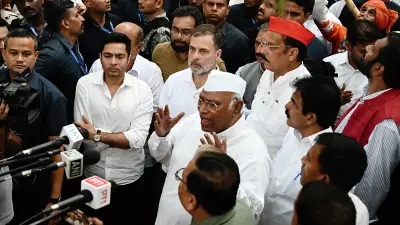
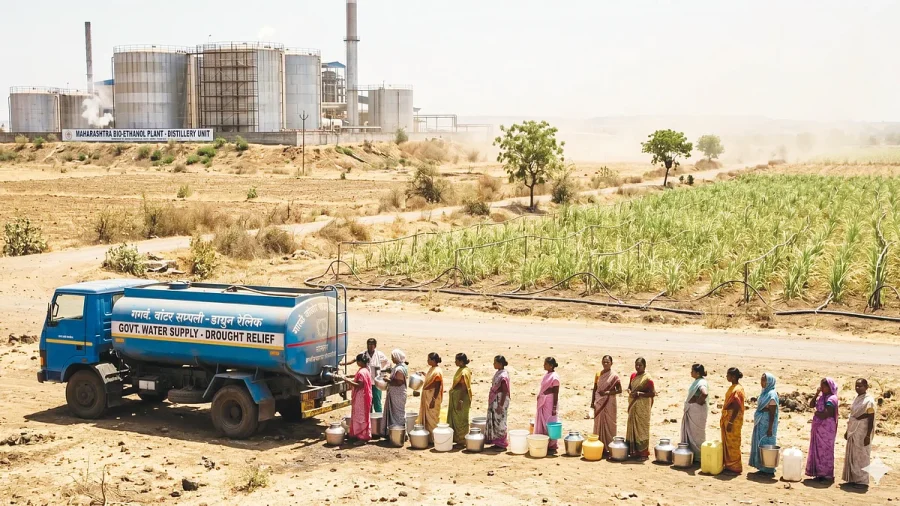
Even as Mumbai residents face daily water cuts and reservoirs across western Maharashtra run lower than last year, a proposed Amazon data centre in neighbouring Thane has ignited a political firestorm over water use. Nationalist Congress Party (Sharadchandra Pawar) leader and MLA Jitendra Awhad on Friday publicly opposed the project, warning it would deepen the region's water crisis.
Why a data centre's water use matters in a water-stressed region
Data centres require enormous amounts of water for cooling servers and maintaining equipment. In a region already struggling with water availability, critics argue that approving such a facility sends the wrong signal. Awhad alleged the Amazon facility would worsen shortages, increase noise pollution, and pose environmental risks for local residents.
What Jitendra Awhad said at the press conference
Addressing a press conference, Awhad claimed the facility was being pushed ahead without adequate public consultation. He questioned the wisdom of allocating large quantities of water to a data centre at a time when several parts of Maharashtra are facing water stress. "A city already facing a daily water shortage of..." he said, before detailing the broader water crisis.
Mumbai's water cuts and reservoir levels — the backdrop
Mumbai has already imposed water cuts, and reservoir levels across western Maharashtra remain below last year's levels. The timing of the Amazon project has amplified concerns among local politicians and residents who see it as a luxury the region cannot afford during a drought-like situation.
Who is affected by this opposition
Residents of Thane and surrounding areas face the most direct impact — potential water diversion, noise pollution, and environmental degradation. But the issue also resonates across Maharashtra, where water scarcity is a recurring crisis affecting millions. The opposition could also influence how other tech companies plan data centres in water-stressed Indian states.
Official response and political dynamics
No official response from Amazon or the Maharashtra government has been reported yet. Awhad's opposition signals that the project may face further political hurdles, especially as state elections approach and water remains a sensitive issue. The NCP (SP) has positioned itself as a defender of local resources against corporate interests.
What this means for Amazon's India data centre plans
Amazon has been expanding its data centre footprint in India to meet growing cloud and AI demand. However, this opposition highlights a growing tension between Big Tech's infrastructure needs and local environmental realities. The company may need to address water conservation measures more publicly to win community support.
Confirmed facts vs what remains unclear
Confirmed: Jitendra Awhad opposed the Amazon data centre in Thane on Friday over water and environmental concerns. Mumbai has imposed water cuts. Reservoir levels in western Maharashtra are below last year's levels.
Unclear: The exact water consumption estimate for the proposed facility. Whether Amazon has submitted a formal water allocation request. The Maharashtra government's stance on the project. Any environmental impact assessment findings.
Risks and balanced view
Supporters of data centres argue they bring jobs, investment, and digital infrastructure. Critics say the water and energy costs are too high for water-stressed regions. The challenge is balancing economic development with environmental sustainability — a dilemma many Indian states now face as tech infrastructure expands rapidly.
Wider trend: Big Tech's water problem in India
This is not an isolated case. Google, Microsoft, and other tech giants have faced scrutiny over data centre water use in water-scarce regions globally. In India, the data centre boom is colliding with worsening water availability, forcing companies to rethink cooling technologies and location choices.
What residents and policymakers should watch for
Residents should demand transparency on water allocation and environmental impact assessments. Policymakers need to establish clear guidelines for data centre water use, especially in drought-prone areas. Amazon may need to commit to water-positive operations or alternative cooling methods to proceed.
What happens next
The opposition could lead to public hearings, a review of water allocation, or modifications to the project design. If political pressure mounts, the Maharashtra government may delay approval or impose stricter conditions. Amazon's response — whether it offers water conservation commitments or pushes back — will shape the outcome.
Our Take
This story is not just about one data centre. It reflects a deeper conflict between India's digital ambitions and its environmental limits. As data centres multiply, states must decide whether to prioritise water for people or for servers. The Amazon Thane case could set a precedent for how India handles this trade-off — and whether Big Tech is held accountable for its local resource footprint.
Frequently Asked Questions
Why is the Amazon data centre in Thane facing opposition?
NCP (SP) leader Jitendra Awhad opposed the project over concerns about water consumption, noise pollution, and environmental risks, especially as Mumbai faces water cuts and reservoir levels are low.
How much water does a data centre typically use?
Data centres use large amounts of water for cooling servers. A typical hyperscale facility can consume millions of litres per day, depending on design and climate.
What is the current water situation in Maharashtra?
Mumbai has imposed water cuts, and reservoir levels across western Maharashtra remain below last year's levels, indicating water stress in the region.
Has Amazon responded to the opposition?
No official response from Amazon has been reported yet. The company may need to address water conservation measures to proceed with the project.