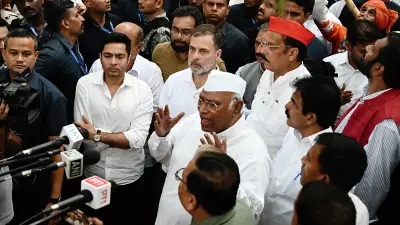

It was a protest that sounded like a kitchen — but the message was anything but domestic. At Delhi’s Jantar Mantar on Saturday, supporters of the Cockroach Janata Party (CJP) gathered not with placards alone, but with steel plates and spoons. They clanged them in the air, a deliberate echo of Prime Minister Narendra Modi’s 2020 appeal for Indians to “thali bajao” during the Covid-19 lockdown. This time, however, the noise was not for frontline workers. It was for the resignation of Union Education Minister Dharmendra Pradhan.
Why plates and spoons became a political symbol at Jantar Mantar
The choice of props was not random. In March 2020, PM Modi had urged citizens to stand at their doors and clang plates at 5 PM to show solidarity against the coronavirus. That moment became a cultural flashpoint — praised by some, mocked by others as a distraction. The CJP repurposed that very imagery to demand accountability over the NEET-UG 2026 paper leak, a scandal that has shaken the trust of millions of medical aspirants.
Who is the Cockroach Janata Party and why are they protesting?
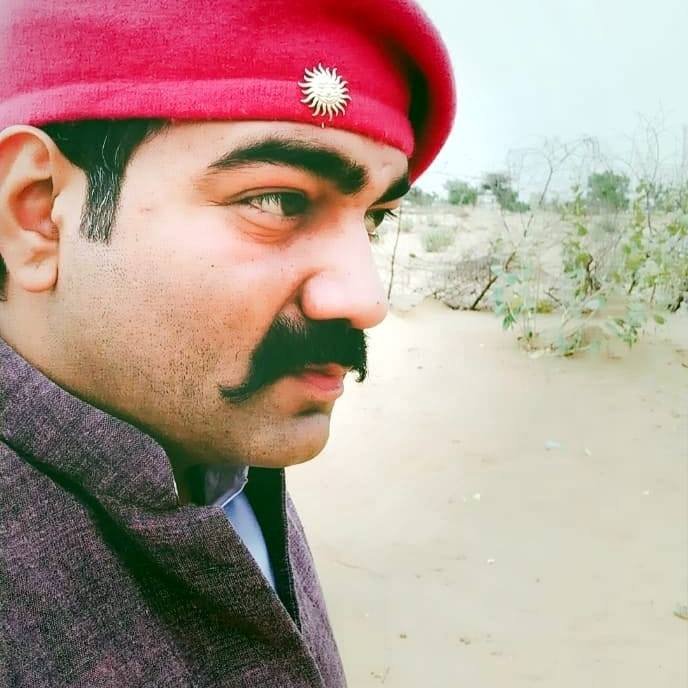
The CJP is a satirical political movement founded by Abhijeet Dipke, a young activist who has built a following online by mocking the establishment. The group calls its supporters “cockroaches” — a term meant to reclaim resilience. Their central demand is the resignation of Dharmendra Pradhan, whom they hold responsible for the NEET-UG 2026 paper leak that compromised the exam’s integrity. The protest at Jantar Mantar was their first major street action in Delhi.
The NEET-UG 2026 paper leak: What students are angry about
The NEET-UG 2026 examination, conducted by the National Testing Agency (NTA), was allegedly compromised after question papers were leaked in multiple states. The incident triggered widespread outrage, with students alleging that the government failed to secure the exam process. Despite assurances of a re-test, many aspirants feel the damage to fairness is irreversible. The CJP’s protest taps into this deep-seated anger, using satire to bypass the usual political rhetoric.
How the protest unfolded: ‘Bring your thali and chammach’
In the days leading up to the protest, Dipke posted a call on social media: “Bring your thali and chammach.” Supporters responded in numbers. At Jantar Mantar, the crowd — mostly young students and first-time protesters — held up plates and spoons, chanting slogans against Pradhan and the Modi government. The visual was striking: a sea of steelware catching the afternoon sun, accompanied by rhythmic clanging that drew curious onlookers.
What the government and minister have said so far
As of now, there has been no official response from the Ministry of Education or Dharmendra Pradhan’s office regarding the CJP protest. The minister has previously denied direct responsibility for the NEET leak, stating that the NTA is an autonomous body. However, critics argue that the ministry’s oversight role cannot be ignored. The silence from the government has only fueled the protesters’ resolve.
Why this protest matters beyond the satire
The CJP’s use of humour and symbolism is not just for viral moments. It reflects a growing trend among India’s youth — disillusioned with traditional politics, they are turning to satire as a tool for accountability. The thali-chammach protest is a reminder that when institutions fail, even the most mundane objects can become weapons of dissent. It also highlights how Covid-era symbols are being re-read and repurposed in the current political landscape.
Confirmed facts vs what remains unclear
Confirmed: The CJP protest took place at Jantar Mantar on Saturday. Supporters carried plates and spoons. The demand is Dharmendra Pradhan’s resignation over the NEET-UG 2026 paper leak. The protest was peaceful.
Unclear: The exact number of participants. Whether the government will respond. Whether the NEET re-test will address all concerns. The extent of the paper leak’s impact on the final results.
Risks and balanced view: Satire vs substance
While the CJP’s protest has gained attention, critics argue that satire alone cannot bring systemic change. Some question whether the group has a concrete policy alternative or is merely capitalising on student anger. Others point out that demanding a minister’s resignation without a legal case risks becoming performative. However, supporters counter that the protest is a legitimate expression of democratic dissent, and that the government’s silence is the real problem.
The wider trend: How India’s youth are reshaping protest culture
The CJP is part of a broader shift in Indian protest movements. From the anti-CAA demonstrations to the farmers’ protests, young Indians are increasingly using creative, non-traditional methods to voice dissent. Social media amplifies these actions, turning local protests into national conversations. The thali-chammach protest is the latest example of how humour, memory, and everyday objects are being woven into political action.
What students and supporters should know next
For students who feel affected by the NEET leak, the CJP has urged them to join future protests and share their experiences on social media. Those seeking official updates should monitor the NTA website and the Ministry of Education’s announcements. Legal recourse is also available through public interest litigations (PILs) filed in various high courts. The CJP has promised to announce the next protest date soon.
What could happen next
The CJP has indicated that this is just the beginning. More protests are planned in other cities, including Mumbai and Bengaluru. The government may eventually be forced to respond, either through a statement or by addressing the NEET leak investigation more transparently. The protest’s longevity will depend on whether the CJP can sustain momentum beyond the initial viral moment.
Our Take
The thali-chammach protest is more than a clever stunt. It is a symptom of a deeper crisis of trust between India’s youth and its institutions. When students feel that their future is being compromised by systemic failures, they will find ways to be heard — even if it means banging plates at a historic protest site. The government would do well to listen, not just to the noise, but to the frustration behind it.
Frequently Asked Questions
What is the Cockroach Janata Party?
The Cockroach Janata Party (CJP) is a satirical political movement founded by Abhijeet Dipke. It uses humour and symbolism to protest against government policies, particularly those affecting students and youth.
Why did protesters carry plates and spoons?
The plates and spoons were a reference to PM Modi’s 2020 ‘thali bajao’ appeal during the Covid-19 lockdown. The CJP repurposed the symbol to demand accountability over the NEET-UG 2026 paper leak.
What is the NEET-UG 2026 paper leak?
The NEET-UG 2026 exam, conducted by the NTA, was allegedly compromised after question papers were leaked in several states. This led to widespread protests and demands for a re-test and ministerial accountability.
Has the government responded to the protest?
As of now, there has been no official response from the Ministry of Education or Minister Dharmendra Pradhan regarding the CJP protest or the demand for resignation.