Mumbai woke up to a transport nightmare on Friday as only 32 of the Brihanmumbai Electric Supply and Transport (BEST) undertaking's 2,766 buses managed to hit the roads during the morning peak hours. The indefinite strike by BEST employees left thousands of commuters stranded across India's financial capital, forcing many to walk long distances or scramble for alternative transport.
How the strike crippled Mumbai's bus network
A BEST spokesperson confirmed that only 38 buses could leave various depots across the city on Friday morning. However, six of these were forced to return after incidents of stone-pelting, leaving just 32 buses operational — a mere 1.1% of the fleet that normally serves the city's 3.5 million daily bus passengers.
The strike, called by BEST employees to press for their long-pending demands, brought the city's most affordable and widely used public transport system to a virtual standstill. On a normal day, BEST operates over 2,700 buses across Mumbai and its suburbs, making it the lifeline for daily wage workers, students, and office commuters.
Why this matters for Mumbai's daily commuters
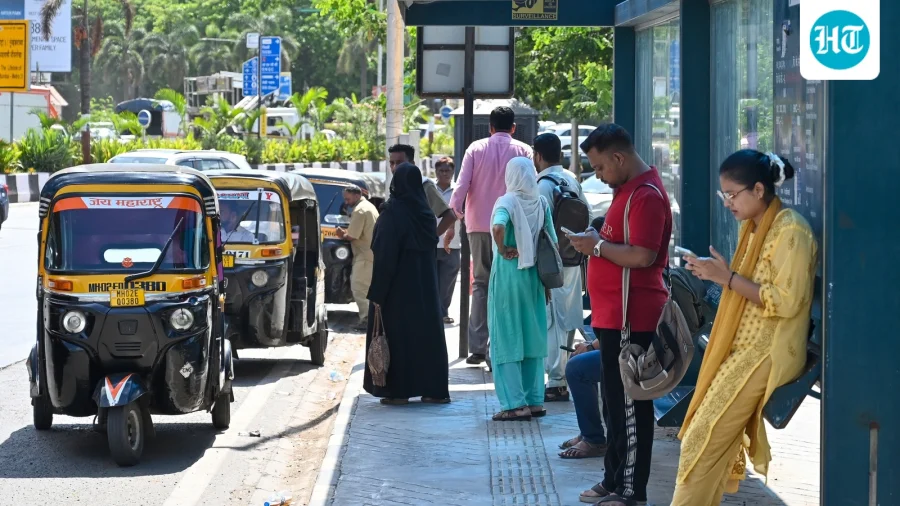
For millions of Mumbaikars who depend on BEST buses as their primary mode of transport, Friday morning was a test of endurance. With no buses at stops, commuters were left waiting for hours, eventually resorting to walking, sharing autos at inflated fares, or skipping work altogether.
The strike hits the city's most vulnerable hardest — those who cannot afford app-based cabs or private vehicles. Daily wage workers, domestic help, students, and lower-income office staff bore the brunt of the disruption, with many reporting delays of over two hours reaching their destinations.
Timeline of the BEST strike escalation
The indefinite strike began early Friday morning, catching both commuters and authorities off guard. BEST employees had been demanding resolution of long-pending issues including salary revisions, pension benefits, and working conditions. Despite multiple rounds of talks in recent weeks, no agreement was reached.
By 6 AM, when the first buses were scheduled to depart from depots across the city, it became clear that the strike had near-total participation. Depots in Worli, Colaba, Dadar, and Andheri reported minimal turnout of drivers and conductors.
Who is affected and how they coped
Students appearing for exams, hospital staff reporting for duty, and office workers heading to business districts in Nariman Point, Bandra-Kurla Complex, and Powai were among the worst affected. Many took to social media to share their struggles, with hashtags like #BESTStrike and #MumbaiStranded trending locally.
"I waited for 45 minutes at the bus stop near my home in Malad. No bus came. I finally shared an auto with three strangers and paid five times the usual fare," said Priya Sharma, a 28-year-old office worker. Similar stories emerged from across the city, with commuters reporting autos and taxis charging exorbitant rates.
Police response and legal action
Mumbai police vowed strict legal action against those obstructing transport services. According to officials, incidents of stone-pelting were reported at some depots, forcing six buses to return to their bases. Police deployed additional personnel at key bus depots and junctions to prevent further disruptions.
"We are taking the situation seriously. Anyone found obstructing public transport or damaging property will face legal consequences," a senior police official said. The police also appealed to striking workers to maintain peace and allow willing employees to operate buses.
What the strike means for Mumbai's transport system
The BEST strike exposes the fragility of Mumbai's public transport infrastructure, which relies heavily on a single undertaking to serve millions daily. With the city's suburban railways already running at over 100% capacity during peak hours, the bus network provides the only alternative for many routes not covered by trains.
Transport experts point out that the strike highlights the need for better contingency planning and a more resilient public transport system. "Mumbai cannot afford to have its bus network completely shut down. There must be mechanisms to ensure minimum services even during disputes," said a transport analyst.
Confirmed facts vs what remains unclear
Confirmed: Only 32 BEST buses operated Friday morning out of 2,766. The strike is indefinite. Employees are demanding resolution of long-pending issues. Stone-pelting incidents occurred at some depots. Police have vowed legal action.
Unclear: The exact demands of striking employees. Whether any negotiations are ongoing. How long the strike will continue. The full extent of financial losses to commuters and the economy. Whether the BEST management has offered any new proposal.
Risks and concerns emerging from the strike
While the strike is a legitimate tool for workers to press their demands, the complete halt of bus services raises serious concerns. Commuters' safety is at risk as people walk long distances or crowd into alternative transport. The economic impact is significant, with businesses reporting lower attendance and productivity.
There are also concerns about the sustainability of BEST as an undertaking. The civic body has been running at a loss for years, and frequent strikes erode public confidence. Critics argue that both management and unions need to find a middle ground to ensure uninterrupted services while addressing worker grievances.
Wider pattern of transport disruptions in Indian cities
The BEST strike is not an isolated incident. Indian cities have seen repeated disruptions in public transport due to labor disputes, from Delhi's DTC bus strikes to Bengaluru's BMTC disruptions. These events underscore a systemic issue: public transport undertakings across India face financial strain, aging fleets, and unresolved labor issues.
The pattern raises questions about the privatization of bus services, the role of state subsidies, and the need for modern labor dispute resolution mechanisms. As cities grow, reliable public transport becomes not just a convenience but an economic necessity.
What commuters should do now
For those affected by the strike, alternatives include checking suburban train schedules for routes that overlap with bus services. App-based cab and auto fares may surge, so carpooling with colleagues or neighbors is advisable. Some employers may allow work-from-home or flexible timings given the circumstances.
Commuters are advised to stay updated through BEST's official social media channels and local news for any announcements about service resumption. Those with urgent travel needs should plan extra time and keep emergency contact numbers handy.
What happens next
The indefinite strike continues with no immediate resolution in sight. Both the BEST management and employee unions will need to return to the negotiating table to prevent further disruption. The Maharashtra government may need to intervene given the scale of impact on Mumbai's daily life.
If the strike continues beyond Friday, the city could face severe economic and social consequences. Schools and colleges may see lower attendance, businesses may report losses, and the already strained suburban railway network could face additional pressure.
Our Take
The BEST strike is a stark reminder that Mumbai's public transport system, while extensive, remains fragile. While workers have every right to protest for their demands, the complete shutdown of bus services is unsustainable for a city of 20 million people. Both management and unions must prioritize the commuter's interest while resolving genuine grievances. The state government cannot afford to be a passive observer — proactive mediation is needed before the crisis deepens.
Frequently Asked Questions
Why are BEST employees on strike?
BEST employees are on an indefinite strike to press for their long-pending demands, which include salary revisions, pension benefits, and improved working conditions. The exact list of demands has not been fully disclosed by the unions.
How many BEST buses normally operate in Mumbai?
On a normal day, BEST operates approximately 2,766 buses across Mumbai and its suburbs, serving about 3.5 million passengers daily. During Friday's strike, only 32 buses were operational.
Is the strike legal and how long will it last?
The strike is being conducted by employee unions, but its legality depends on whether proper notice was given under labor laws. The strike is indefinite, meaning it will continue until demands are addressed or a resolution is reached through negotiations.
What alternative transport options are available for commuters?
Commuters can use Mumbai's suburban railway network, app-based cabs and autos, private buses, or carpooling. However, these alternatives are limited and may be more expensive. Some employers may offer work-from-home options during the disruption.