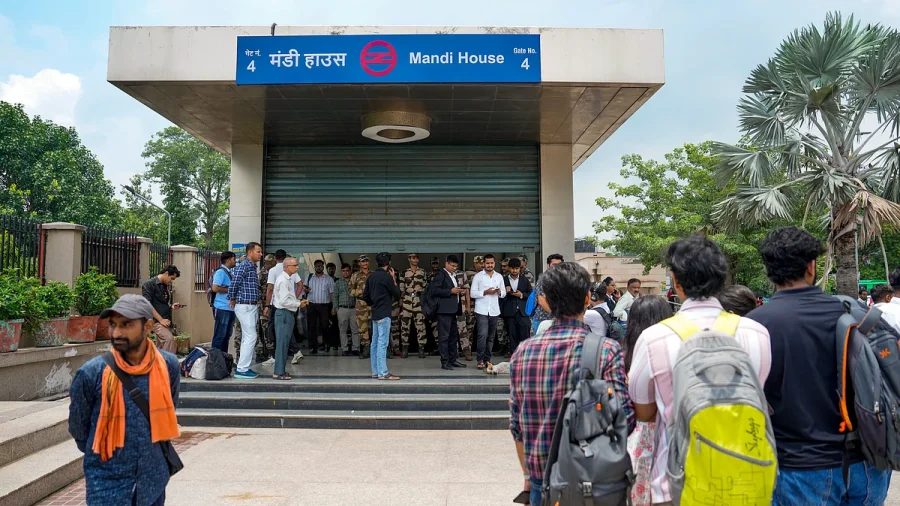
Hundreds of office-goers, students, and daily commuters were left stranded across central Delhi on Wednesday morning as the Delhi Metro Rail Corporation (DMRC) shut down 16 stations due to security concerns linked to the ongoing Cockroach Janta Party (CJP) protest at Jantar Mantar. The sudden closures during peak hours disrupted travel plans for thousands, forcing many to seek alternative routes or wait indefinitely at closed gates.
Which Delhi Metro Stations Are Closed?
The DMRC announced the closure of 16 stations until further instructions: Lok Kalyan Marg, Rajiv Chowk, Patel Chowk, Ramakrishna Ashram Marg, Barakhamba Road, Supreme Court, Seva Teerth, Janpath, Mandi House, Central Secretariat, ITO, Delhi Gate, Indraprastha, Khan Market, Jor Bagh, and Shivaji Stadium. These stations form the backbone of central Delhi's metro network, serving government offices, commercial hubs, and residential areas.
Why Are These Stations Closed?
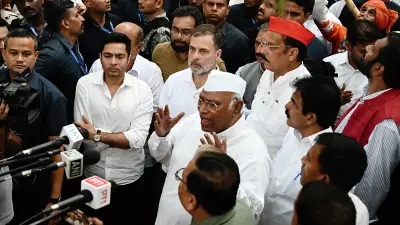
The closures come amid the ongoing Cockroach Janta Party (CJP) protest at Jantar Mantar, a historic site in central Delhi often used for demonstrations. Security agencies assessed the situation and advised DMRC to shut stations in the vicinity to prevent any untoward incidents. The move follows a similar closure on Monday, when several metro stations were shut as thousands gathered for the protest.
How Are Commuters Affected?
For daily commuters, the closures meant unexpected delays and confusion. Many office-goers reported being unable to reach their workplaces on time, while students heading to schools and colleges in central Delhi faced similar disruptions. The lack of advance notice added to the frustration, with some commuters taking to social media to express their distress. "I had to walk from Rajiv Chowk to my office near Barakhamba Road because the station was closed. It took me an extra 40 minutes," said a commuter who wished to remain anonymous.
What Interchange Options Are Available?
DMRC confirmed that interchange facilities remain operational at Rajiv Chowk, Mandi House, and Central Secretariat. This means passengers can still transfer between lines at these stations, though entry and exit may be restricted. Commuters are advised to plan their journeys using these interchange points or consider alternative modes of transport like buses or auto-rickshaws.
What Is the CJP Protest About?
The Cockroach Janta Party (CJP) protest at Jantar Mantar has been ongoing for several days, drawing crowds and raising security concerns. While the exact demands of the protest are not detailed in the available information, the gathering has led to heightened police presence and precautionary measures across central Delhi. The protest's continuation has forced authorities to maintain station closures until the situation stabilizes.
Confirmed Facts vs What Remains Unclear
Confirmed: 16 Delhi Metro stations are closed due to security concerns from the CJP protest at Jantar Mantar. Interchange facilities are available at three stations. The closures began on Wednesday morning. Unclear: The exact timeline for reopening the stations. The specific demands or size of the CJP protest. Whether further closures or restrictions will be implemented.
Risks and Balanced View
While the closures are intended to ensure public safety, they have caused significant inconvenience to thousands of commuters. Critics argue that better communication and alternative arrangements could have mitigated the disruption. Supporters of the security measures point to the need to prevent potential clashes or accidents in crowded areas. The balance between security and daily life remains a delicate one in such situations.
Wider Trend: Protests and Metro Disruptions in Delhi
Delhi has seen several instances where protests at Jantar Mantar or other central locations have led to metro station closures. This pattern highlights the challenge of managing public demonstrations in a city where the metro is a lifeline for millions. Authorities often face the difficult task of balancing the right to protest with the need to maintain public order and safety.
Practical Reader Guidance: What Commuters Should Do
If you are a regular commuter on the affected routes, consider these steps: Check DMRC's official social media handles or app for real-time updates before leaving home. Use interchange stations at Rajiv Chowk, Mandi House, or Central Secretariat to switch lines. Plan alternative routes using buses or shared autos. Allow extra travel time until the situation normalizes. Avoid the Jantar Mantar area if possible.
Future Outlook: When Will Stations Reopen?
DMRC has not provided a specific timeline for reopening the 16 stations. The decision will likely depend on the progress of the CJP protest and security assessments by law enforcement agencies. If the protest continues, closures may persist for several more days. Commuters should stay tuned to official announcements for updates.
Our Take
The closure of 16 Delhi Metro stations is a stark reminder of how public demonstrations can disrupt daily life in a bustling city. While security concerns are valid, the lack of advance warning and alternative arrangements has left many commuters frustrated. Authorities must improve communication strategies to minimize inconvenience while ensuring safety. For now, commuters in central Delhi will need patience and flexibility as the situation unfolds.
Frequently Asked Questions
Which Delhi Metro stations are closed due to the CJP protest?
Sixteen stations are closed: Lok Kalyan Marg, Rajiv Chowk, Patel Chowk, Ramakrishna Ashram Marg, Barakhamba Road, Supreme Court, Seva Teerth, Janpath, Mandi House, Central Secretariat, ITO, Delhi Gate, Indraprastha, Khan Market, Jor Bagh, and Shivaji Stadium.
Why are these metro stations closed?
The closures are due to security concerns linked to the ongoing Cockroach Janta Party (CJP) protest at Jantar Mantar in central Delhi.
Are interchange facilities available at any closed stations?
Yes, interchange facilities remain available at Rajiv Chowk, Mandi House, and Central Secretariat, though entry and exit may be restricted.
When will the Delhi Metro stations reopen?
DMRC has not announced a specific timeline. Reopening depends on security assessments and the progress of the CJP protest. Commuters should check official updates.