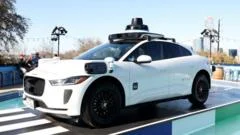
It was supposed to be a routine day for autonomous vehicle testing. Instead, it turned into a troubling pattern that has now forced Waymo to hit the brakes across five American cities.
Multiple Waymo robotaxis reportedly drove into flooded roads during heavy rain, raising immediate safety concerns. The company has now paused operations in those cities — a move a Waymo spokesperson described as being taken "out of an abundance of caution."
For passengers, city officials, and the broader autonomous vehicle industry, the question is no longer just about technology. It's about trust.
What Exactly Happened With Waymo Robotaxis and Flooded Roads
According to reports, Waymo's autonomous vehicles encountered flooded roads in several locations and, in some cases, drove directly into the water. The incidents occurred during periods of heavy rainfall, when road conditions became hazardous even for human drivers.
The company did not immediately disclose the exact number of incidents or the specific cities affected beyond confirming the pause. However, reports indicate that Atlanta was among the locations where operations were suspended. The pause expanded to at least four other cities as the situation unfolded.
A Waymo spokesperson confirmed the temporary halt, emphasizing that the decision was made proactively to ensure public safety. The company is now reviewing the incidents to understand why the vehicles failed to avoid floodwater.
Why This Matters Right Now
This is not just a technical glitch. It's a credibility crisis for the autonomous vehicle industry at a critical moment.
Waymo has been one of the most visible and trusted names in self-driving technology. Its robotaxis operate in multiple US cities, carrying paying passengers daily. When those vehicles drive into floodwater — something any human driver would instinctively avoid — it raises fundamental questions about the system's perception, decision-making, and safety protocols.
For passengers, the concern is immediate: Can I trust a robotaxi in bad weather? For city officials, the question is regulatory: Should autonomous vehicles be allowed to operate during extreme weather events? For the industry, the stakes are existential: One high-profile failure can set back years of public trust.
The timing is also significant. Waymo had already recalled thousands of robotaxis earlier this year after a separate flood-related incident in Texas. This new development suggests the problem may be more systemic than previously understood.
How the Flood Incidents Unfolded
The incidents appear to have occurred over a short period, possibly within days or even hours, as heavy rain swept through multiple regions. Waymo's autonomous fleet, which relies on a combination of cameras, lidar, radar, and advanced AI, encountered roads that were partially or fully submerged.
In at least one reported case, a Waymo vehicle entered floodwater and became stuck, requiring human intervention to retrieve it. Other incidents may have involved vehicles driving through shallow floodwater before being stopped or redirected.
The company's response was swift: a temporary pause across affected cities. But the speed of the decision also suggests that the incidents were serious enough to warrant immediate action.
Who Is Affected and What Officials Are Saying
The pause directly impacts passengers who rely on Waymo robotaxis for daily transportation. In cities like Atlanta, where Waymo had been expanding its service area, riders now face uncertainty about when — or if — the service will resume.
Local officials have not yet issued formal statements, but the incidents are likely to attract scrutiny from transportation departments and safety regulators. The National Highway Traffic Safety Administration (NHTSA) has previously investigated autonomous vehicle incidents and may open a new probe.
Waymo's spokesperson declined to provide a timeline for resuming operations, stating only that the company is "reviewing the situation carefully."
What We Know So Far — and What Remains Unclear
What we know:
- Waymo robotaxis drove into flooded roads in multiple cities
- The company paused operations in five US cities
- The pause was described as a precautionary measure
- This follows a previous recall after a Texas flood incident
What remains unclear:
- The exact list of all five affected cities
- How many incidents occurred
- Whether any passengers were inside the vehicles during the flood incidents
- What specific sensor or software failure caused the vehicles to enter floodwater
- When operations will resume
Risks, Concerns, and the Balanced View
The immediate risk is clear: autonomous vehicles that cannot reliably detect and avoid floodwater pose a danger to passengers, pedestrians, and the vehicles themselves. Floodwater can hide debris, sinkholes, or electrical hazards, making it one of the most dangerous conditions for any vehicle.
Critics of autonomous vehicle technology will point to this incident as evidence that self-driving cars are not ready for real-world conditions. They argue that edge cases — like flooded roads, heavy snow, or construction zones — remain unsolved challenges.
However, supporters of the technology note that Waymo's response — a swift, voluntary pause — demonstrates responsible behavior. The company is prioritizing safety over operational continuity, which is exactly what regulators and the public should expect.
The balanced view is this: autonomous vehicles have made remarkable progress, but incidents like this show that the technology is still learning. The question is not whether these failures will happen, but how companies respond when they do.
Why Similar Concerns Are Growing Across the Industry
Waymo is not alone in facing weather-related challenges. Other autonomous vehicle companies, including Cruise and Tesla, have also struggled with adverse conditions. Heavy rain, snow, fog, and flooding remain some of the hardest problems for self-driving systems to solve.
The reason is simple: sensors can be confused by water. Rain can scatter lidar beams. Puddles can create misleading reflections. Floodwater can obscure road markings and depth perception. While human drivers use intuition and experience to navigate these situations, AI systems rely on data — and that data can be incomplete or misleading.
The industry is working on solutions, including better sensor fusion, more training data from extreme weather, and improved decision-making algorithms. But incidents like this show that the gap between ideal conditions and real-world chaos remains significant.
What Passengers and Riders Should Know Now
If you use Waymo robotaxis in any of the affected cities, your service may be temporarily unavailable. The company has not provided a specific timeline for resumption, so riders should plan alternative transportation.
For those considering using autonomous vehicles in the future, this incident is a reminder to check weather conditions before booking a ride. While Waymo's pause is precautionary, it highlights that self-driving cars are not yet fully reliable in all weather scenarios.
If you encounter a Waymo vehicle behaving unusually — especially near floodwater — maintain a safe distance and report the incident to local authorities or Waymo directly.
What Could Happen Next
Waymo is likely to conduct a thorough investigation into the sensor and software failures that led to the flood incidents. The company may issue a software update or hardware modification before resuming operations.
Regulators may also step in. NHTSA could open a formal investigation, which would require Waymo to share detailed data about the incidents. This could lead to new safety requirements for autonomous vehicles operating in adverse weather.
In the longer term, this incident may accelerate the development of weather-specific safety protocols for autonomous fleets. Companies may need to demonstrate that their vehicles can handle extreme conditions before being allowed to operate in regions prone to flooding or heavy rain.
The pause may also affect Waymo's expansion plans. Cities that were considering allowing robotaxi services may now hesitate, waiting for clearer evidence of safety in all conditions.
Our Take: Why This Story Matters Beyond One Incident
This is not just about Waymo. It's about the promise and peril of autonomous technology.
Self-driving cars have the potential to reduce accidents, improve mobility, and transform transportation. But that potential depends on trust. Every time a robotaxi drives into a flooded road, that trust erodes a little more.
Waymo's decision to pause operations is the right one. But the company — and the industry — must go further. They need to prove, not just promise, that autonomous vehicles can handle the messy, unpredictable reality of the world's roads.
Until then, every flooded road is a reminder that the future of driving is still being written — and sometimes, it's written in water.
FAQs
Why did Waymo pause robotaxis in five US cities?
Waymo paused operations after multiple autonomous vehicles drove into flooded roads during heavy rain. The company said the decision was made "out of an abundance of caution" to ensure public safety.
Which cities are affected by the Waymo robotaxi pause?
Waymo has confirmed a pause in five US cities, including Atlanta. The full list of affected cities has not been officially disclosed, but reports indicate the pause covers locations where flood incidents occurred.
Is it safe to use Waymo robotaxis in bad weather?
Waymo's pause suggests that the company itself has concerns about operating in extreme weather conditions, particularly flooding. Until the investigation is complete and operations resume, riders should exercise caution and consider alternative transportation during heavy rain.
What happens next for Waymo after the flood incidents?
Waymo is expected to investigate the sensor and software failures that led to the incidents. The company may issue a software update or hardware fix before resuming services. Regulators may also open an investigation into the safety of autonomous vehicles in adverse weather.