
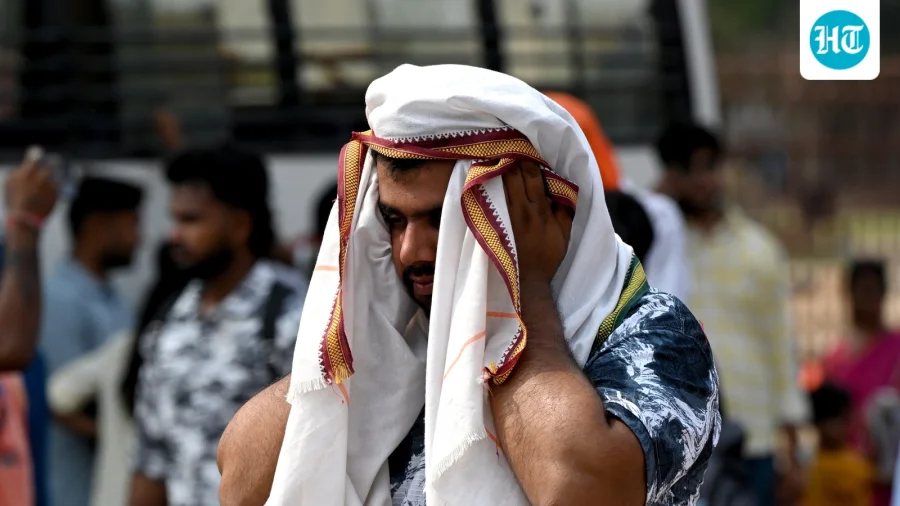
For the second day running, Delhiites woke up to a warm and uncomfortable morning on Monday, with the minimum temperature settling at 31.1 degrees Celsius — matching Sunday's reading, which was the warmest the city has recorded in two years. The India Meteorological Department (IMD) said the minimum was 3.2 notches above the seasonal average, a clear sign that the heat is refusing to relent even during the early hours.
IMD forecast for Monday: Maximum around 41°C, thunderstorms likely
The IMD has forecast that the maximum temperature in Delhi will settle around 41 degrees Celsius during the day. However, there is some relief on the horizon: thunderstorms accompanied by rain are likely at isolated places, which could bring temporary respite from the oppressive heat. Residents are advised to stay hydrated and avoid prolonged sun exposure during peak hours.
Why this warm morning trend matters for Delhi residents
A minimum temperature of 31.1°C means that even the coolest part of the day offers little relief. For the elderly, children, and those with pre-existing health conditions, such warm nights and mornings can lead to heat stress, dehydration, and sleep disruption. The persistent heat also strains power grids as air conditioning usage spikes, and increases the risk of heat-related illnesses. For daily commuters and outdoor workers, the lack of a cool morning window makes the day even more challenging.
How Delhi's temperature compares to seasonal norms
The seasonal average minimum temperature for Delhi in early June is around 28°C. Monday's reading of 31.1°C is 3.2 notches above that baseline, placing it firmly in the "heat wave" category for night-time temperatures. Sunday's minimum of 31.1°C was the highest June minimum recorded since June 2024, according to IMD data. This trend of warmer-than-normal mornings is part of a broader pattern of rising night-time temperatures in the capital over recent years.
Who is most affected by the warm mornings
The impact is most acute for the city's vulnerable populations: street vendors, construction workers, auto-rickshaw drivers, and the homeless, who lack access to cooling shelters during the night. For families living in poorly ventilated homes or without reliable electricity, the warm mornings compound the discomfort of the day's heat. Schools and offices are also feeling the strain, with many institutions adjusting timings or encouraging remote work to avoid peak heat hours.
IMD's official response and weather advisory
The IMD has issued a weather advisory noting that while the maximum temperature is expected to remain around 41°C, the possibility of thunderstorms and rain at isolated places could provide localized relief. Officials have urged residents to remain cautious, especially during afternoon hours when heat index values may feel significantly higher. The department is monitoring the situation and will issue updates if conditions escalate.
What is driving the persistent heat in Delhi
The current heat spell is being driven by a combination of factors: a lack of active western disturbances, clear skies allowing maximum solar radiation, and the urban heat island effect that traps heat in the city's concrete and asphalt surfaces. Meteorologists note that the absence of strong pre-monsoon rain activity has allowed temperatures to build up steadily. The forecast for thunderstorms, while welcome, is expected to be isolated and may not bring widespread relief.
Confirmed facts vs what remains uncertain
Confirmed: Delhi's minimum temperature was 31.1°C on both Sunday and Monday. The IMD has forecast a maximum of 41°C and thunderstorms at isolated places. The minimum is 3.2 notches above the seasonal average. Sunday's reading was the warmest June morning since June 2024.
Uncertain: The exact timing and location of the predicted thunderstorms. Whether the warm morning trend will persist for the rest of the week. The potential for the heat to intensify further. The IMD will provide updates as the situation evolves.
Risks and balanced view of the heat situation
While the forecast for thunderstorms offers hope, it is important to note that isolated rain may not significantly lower temperatures across the entire city. The heat wave conditions could persist, and the warm mornings may continue if cloud cover does not materialize. Critics have pointed out that urban planning and green cover depletion in Delhi have exacerbated the urban heat island effect, making such heat events more frequent and intense. On the other hand, the IMD's forecasting has improved, allowing residents to prepare better.
Wider trend: Rising night-time temperatures in Indian cities
Delhi's warm mornings are not an isolated phenomenon. Across Indian cities, night-time temperatures have been rising faster than daytime temperatures in recent years, a trend linked to climate change and rapid urbanization. This pattern is particularly dangerous because it denies the human body the chance to cool down overnight, increasing the cumulative heat stress on the population. Cities like Mumbai, Chennai, and Bengaluru have also reported warmer-than-normal minimum temperatures this year.
Practical guidance for Delhi residents
Residents are advised to: stay indoors during the hottest part of the day (12 PM to 4 PM); drink plenty of water even if not thirsty; use light, cotton clothing; keep windows open at night if safe to do so; check on elderly neighbours and family members; avoid strenuous outdoor activity; and use fans or coolers if available. For those without air conditioning, wet cloths or cool showers can help lower body temperature. The IMD's heat wave guidelines should be followed strictly.
What next: Weather outlook for the coming days
The IMD will continue to monitor the situation. If the thunderstorms materialize as forecast, temperatures may drop slightly in the coming days. However, if the rain remains isolated, the warm morning trend could persist. Long-range forecasts suggest that pre-monsoon activity may increase towards the end of June, potentially bringing more sustained relief. Residents should stay tuned to official IMD updates for the latest information.
Our Take
The back-to-back warm mornings in Delhi are more than just a weather statistic — they are a public health concern that demands attention. While the IMD's forecasts are helpful, the real solution lies in long-term urban planning: more green cover, better building materials, and heat action plans that protect the most vulnerable. For now, residents must adapt, but the underlying trend of rising night-time temperatures is a warning we cannot ignore.
Frequently Asked Questions
Why is Delhi's minimum temperature so high this June?
The high minimum temperature is due to a combination of clear skies, lack of active western disturbances, and the urban heat island effect. The seasonal average minimum for early June is around 28°C, but Delhi has been recording readings 3-4 notches above that.
What does a minimum temperature of 31.1°C mean for daily life?
It means even the coolest part of the day offers little relief, leading to heat stress, sleep disruption, and increased risk of heat-related illnesses. Outdoor workers and vulnerable populations are most affected.
Will the thunderstorms bring relief to Delhi?
The IMD has forecast thunderstorms and rain at isolated places, which could provide temporary relief. However, the rain is expected to be localized and may not significantly lower temperatures across the entire city.
How can I protect myself from the heat during warm mornings?
Stay hydrated, wear light cotton clothing, avoid strenuous activity during peak heat hours, use fans or coolers, and check on elderly neighbours. The IMD advises following heat wave guidelines and staying indoors during the hottest part of the day.