In a dramatic diplomatic breakthrough, US Vice President JD Vance announced Monday that Iran has agreed to allow United Nations nuclear inspectors back into the country — a move that could end years of international isolation and uncertainty over Tehran's atomic program.
What Vance said about the Iran nuclear deal
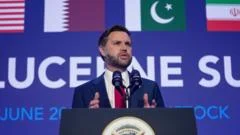
Speaking at a press conference, Vance confirmed that "a great deal of progress" had been made during the first round of talks between the United States and Iran. "Iran has agreed to allow UN nuclear inspectors back into the country," he said, according to NBC News. The vice president framed the agreement as part of broader efforts to end the monthslong war in the Middle East.
Why IAEA inspectors matter for global security
The return of International Atomic Energy Agency (IAEA) inspectors is critical for verifying that Iran's nuclear program remains peaceful. Since 2021, Iran has restricted access for UN monitors, leaving the international community largely blind to its enrichment activities. Without inspectors, concerns about Iran potentially developing nuclear weapons capability have grown. This agreement could restore the monitoring regime that experts say is essential for any lasting diplomatic solution.
How the talks unfolded
The first round of direct US-Iran negotiations took place in recent days, with Vance leading the American delegation. While details of the discussions remain sparse, the vice president's announcement signals a major shift in Iran's position. For years, Tehran had refused to allow inspectors back, citing US sanctions and political pressure. The breakthrough comes amid intense international efforts to de-escalate the broader Middle East conflict.
What this means for ordinary Iranians and the region
For the Iranian people, the agreement could bring relief from crippling economic sanctions that have devastated the economy. For neighboring countries, it reduces the risk of a nuclear arms race in one of the world's most volatile regions. And for the global community, it offers a path toward diplomatic resolution rather than military confrontation. "This is about ending a war, not just managing a crisis," Vance appeared to suggest.
Official response from Washington and Tehran
The White House has not yet issued a formal statement beyond Vance's remarks. Iranian officials have not publicly confirmed the agreement, though the vice president's announcement suggests coordination. Analysts caution that the deal remains fragile and depends on continued negotiations. "The devil is in the details," one diplomatic source told reporters.
What the nuclear inspection agreement actually covers
Under the reported terms, IAEA inspectors would be allowed access to declared nuclear sites in Iran. This includes enrichment facilities at Natanz and Fordow, as well as other locations where nuclear material is stored or processed. However, it remains unclear whether inspectors will also gain access to undeclared sites or military installations — a key sticking point in previous negotiations.
Confirmed facts vs what remains unclear
Confirmed: Vance stated Iran agreed to allow IAEA inspectors back. The talks made "a great deal of progress." The agreement is linked to ending the Middle East war.
Unclear: The exact timeline for inspectors' return. Whether Iran will grant access to all sites or only declared ones. The full scope of regional security issues discussed. Iran's official confirmation of the deal. Whether sanctions relief is part of the agreement.
Risks and balanced view of the deal
While the announcement is positive, skepticism remains. Previous agreements with Iran have collapsed over verification disputes. Hardliners in both Washington and Tehran may oppose the deal. Critics argue that Iran could use inspections as a bargaining chip without making lasting concessions. "We've been here before," warned a former State Department official. "The question is whether this time is different."
Wider trend: US diplomatic engagement in the Middle East
The Iran talks are part of a broader shift toward diplomacy in the region. The Biden administration has pursued negotiations with Iran, Saudi Arabia, and other actors to reduce tensions. Vance's involvement signals that the Trump administration — should it return — may continue this approach. The nuclear inspection agreement could become a template for future diplomatic efforts.
What should investors and global markets watch
For investors, the deal could lead to easing of sanctions on Iran, potentially increasing global oil supply and lowering prices. Energy markets are closely watching the talks. However, any collapse in negotiations could trigger renewed volatility. "Markets hate uncertainty," said a geopolitical analyst. "A credible inspection regime reduces risk premiums."
What happens next in US-Iran negotiations
Further rounds of talks are expected to address remaining issues: the full scope of inspections, sanctions relief, regional security guarantees, and Iran's ballistic missile program. The timeline for inspectors' return has not been announced. Both sides have expressed cautious optimism, but the path ahead remains uncertain.
Our Take
This is a genuinely significant development — not just for nuclear non-proliferation, but for the possibility of ending a devastating regional war. Vance's announcement carries weight because it comes from the highest levels of the US government. But the real test will be implementation. Iran has a history of tactical concessions followed by backtracking. The international community must ensure that inspectors get full, unfettered access — and that this agreement is not just a temporary pause but a genuine step toward lasting peace. For now, the world can breathe a little easier, but vigilance remains essential.
Frequently Asked Questions
Why did Iran agree to allow nuclear inspectors now?
According to Vance, the agreement is part of broader talks aimed at ending the Middle East war. Iran likely sees inspections as a way to reduce international pressure and potentially secure sanctions relief.
What is the IAEA and why are its inspectors important?
The International Atomic Energy Agency is the UN's nuclear watchdog. Its inspectors verify that countries are not secretly developing nuclear weapons. Without them, the world cannot confirm Iran's nuclear program is peaceful.
Will this agreement lead to the end of sanctions on Iran?
Vance did not mention sanctions relief. However, previous nuclear deals have linked inspections to sanctions easing. It remains unclear whether this agreement includes any economic component.
How does this affect the war in the Middle East?
Vance framed the nuclear inspection agreement as part of efforts to end the broader conflict. Reducing nuclear tensions could create space for diplomatic solutions to other regional crises, including the Israel-Hamas war and instability in Yemen.