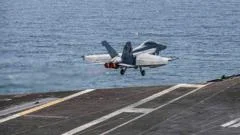
The United States has launched fresh military strikes on Iranian targets for the second time in just three days, escalating a conflict that threatens to unravel a fragile ceasefire and derail months of painstaking negotiations. The latest attacks, which targeted missile sites and boats, come at a moment when the region is already on edge, and the stakes could not be higher for millions of people caught in the crossfire.
For those watching from afar, the question is simple: how did we get here again, and what happens next? The answer is anything but simple, and the consequences could ripple far beyond the battlefield.
US Strikes Iran Targets for Second Time — What Happened
According to reports, the US military struck multiple Iranian targets on Monday, marking the second such operation in three days. The targets included missile launch sites and boats, which the Pentagon described as threats to US forces and regional stability. The strikes were carried out as a "self-defense" measure, officials said, though the timing has raised eyebrows given the ongoing diplomatic efforts.
The first round of strikes occurred over the weekend, and the latest operation suggests the US is not backing down despite the fragile ceasefire that has been in place between Washington and Tehran. The hostilities come during a period of protracted negotiations aimed at ending a three-month war that has already caused immense suffering.
Why This Matters Right Now
This is not just another military update. The strikes are happening during a fragile ceasefire between the US and Iran, a truce that has been holding by a thread. Every new attack risks pushing both sides back into full-scale conflict, which would have devastating consequences for civilians, regional economies, and global energy markets.
For ordinary people, the implications are deeply personal. Families in Iran and neighboring countries are already living with the fear of escalation. Investors and businesses are watching nervously, knowing that any disruption in the Middle East can send shockwaves through oil prices and global supply chains. And for those who have been following the negotiations, each strike feels like a step backward from peace.
How the Escalation Unfolded
The timeline of events is critical to understanding the current crisis. The fragile ceasefire between the US and Iran was established after months of backchannel talks and international pressure. It was seen as a rare diplomatic breakthrough in a region defined by mistrust and hostility.
However, the ceasefire was never stable. Both sides accused each other of violations, and the underlying tensions remained unresolved. The first US strikes three days ago shattered the calm, and Monday's follow-up operation has made the situation even more precarious.
According to sources, the latest strikes targeted missile sites that the US believed were being used to plan attacks on American assets. Boats were also hit, suggesting the US is trying to prevent Iran from using maritime routes to launch operations. The Pentagon has not released full details, but the message is clear: the US is willing to use force to protect its interests.
Who Is Affected and What Officials Are Saying
The immediate impact is being felt by military personnel and civilians in the strike zones. But the ripple effects extend far beyond. The Iranian government has condemned the attacks, calling them a violation of the ceasefire and a threat to regional peace. In a statement, Iranian officials warned of "consequences" if the strikes continue.
US officials, meanwhile, have defended the operations as necessary and proportionate. "We are acting in self-defense," a Pentagon spokesperson said. "Our goal is to de-escalate, not to provoke a wider war." But critics argue that repeated strikes do the opposite — they escalate tensions and make diplomacy harder.
International observers, including the United Nations, have urged restraint. The UN Secretary-General called for an immediate halt to hostilities, warning that the region is "a powder keg" that could explode at any moment.
What We Know So Far — and What Remains Unclear
Here is what is confirmed: the US launched strikes on Iranian targets for the second time in three days. The targets included missile sites and boats. The strikes occurred during a fragile ceasefire and ongoing negotiations to end a three-month war.
What remains unclear is the full extent of the damage, the number of casualties, and whether Iran will retaliate. There are also unanswered questions about the future of the ceasefire. Will it hold, or has it already collapsed? And what does this mean for the broader negotiations?
Officials have not provided a clear timeline for when talks might resume, and the atmosphere of mistrust is thicker than ever.
Risks, Concerns, and the Balanced View
The risks are enormous. Every strike increases the chance of a miscalculation that could spiral into a full-scale war. Iran has the capability to respond through its proxies in the region, targeting US allies or disrupting oil shipments through the Strait of Hormuz. Such a scenario would have catastrophic economic and humanitarian consequences.
On the other hand, US officials argue that inaction carries its own risks. They say the missile sites and boats posed an imminent threat, and that failing to act would have emboldened Iran. This is the classic dilemma of military strategy: the choice between action and restraint, each with its own dangers.
Critics, however, point out that the strikes undermine the very ceasefire that was supposed to create space for diplomacy. "You cannot bomb your way to peace," one analyst told reporters. "Every strike makes it harder to bring both sides back to the table."
Why Similar Patterns of Escalation Are Growing
This is not an isolated incident. The Middle East has seen a pattern of escalation followed by fragile ceasefires, followed by more escalation. The cycle is driven by deep-seated mistrust, competing interests, and the absence of a credible diplomatic framework.
In recent years, the US and Iran have engaged in a shadow war, with attacks on oil tankers, drone strikes, and cyber operations. The current conflict is the most direct military confrontation in decades, and the stakes are higher than ever.
- The US has conducted multiple rounds of strikes on Iranian targets in the past week.
- The fragile ceasefire was established after months of negotiations but was never stable.
- Both sides have accused each other of violating the truce.
- International mediators are struggling to keep the peace process alive.
"We are acting in self-defense. Our goal is to de-escalate, not to provoke a wider war." — Pentagon spokesperson
What Readers, Investors, and Regional Observers Should Know Now
For those directly affected, the priority is safety. Civilians in strike zones should follow local authorities' guidance and stay informed through reliable sources. For investors, the situation calls for caution. Energy markets are likely to remain volatile, and any disruption to oil supplies could drive prices higher.
For the broader public, the key takeaway is that the path to peace is fragile and easily derailed. The strikes are a reminder that military solutions often create more problems than they solve. The best hope for lasting stability lies in renewed diplomatic efforts, but those efforts require trust — and trust is in short supply.
What Could Happen Next
The immediate future is uncertain. Iran could retaliate, either directly or through proxies, which would likely trigger another round of US strikes. Alternatively, both sides could step back from the brink, but that would require a level of restraint that has been absent so far.
The ceasefire may already be dead, or it may survive if both sides see value in preserving it. The negotiations to end the three-month war are also at risk. If the talks collapse, the region could slide back into full-scale conflict, with devastating consequences for millions.
International pressure will be critical. The UN, European Union, and other mediators must push both sides to de-escalate and return to the negotiating table. Without that pressure, the cycle of violence is likely to continue.
Our Take: Why This Story Matters Beyond One Incident
This is not just about a few missile strikes. It is about the fundamental question of whether diplomacy can prevail over force in one of the world's most volatile regions. The US-Iran conflict has been a defining feature of Middle Eastern geopolitics for decades, and every escalation brings the world closer to a broader war.
The strikes are a stark reminder that ceasefires are not peace agreements. They are temporary pauses that can collapse at any moment. True peace requires addressing the root causes of conflict — and that takes political will, compromise, and a commitment to dialogue that both sides have so far been unwilling to fully embrace.
For readers, the lesson is clear: the headlines may change, but the underlying dynamics remain the same. Until both sides choose diplomacy over force, the cycle of strikes and retaliation will continue, and ordinary people will pay the price.
FAQs
Why did the US strike Iran targets for the second time in three days?
The US says the strikes were in self-defense, targeting missile sites and boats that posed an imminent threat to American forces and regional stability. The operations come during a fragile ceasefire and ongoing negotiations.
What is the status of the US-Iran ceasefire after these strikes?
The ceasefire is under severe strain. While it has not been officially declared over, the strikes have significantly eroded trust between both sides. The future of the truce depends on whether both parties choose de-escalation or further retaliation.
How do these strikes affect the negotiations to end the three-month war?
The strikes risk derailing the negotiations entirely. Diplomatic efforts were already fragile, and military action makes it harder for both sides to return to the table. International mediators are working to salvage the talks.
What are the risks of further escalation between the US and Iran?
The risks include a full-scale war, disruption of global oil supplies, humanitarian crises, and regional instability. Iran could retaliate through proxies, targeting US allies or maritime routes, which would have far-reaching consequences.