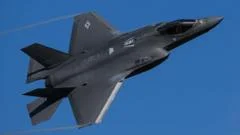
The United States military has launched a fresh wave of strikes inside southern Iran, targeting missile launch sites and boats that officials say were preparing to lay naval mines. The operation, described by US Central Command as an act of "self-defense," dramatically escalates tensions at a moment when senior Iranian negotiators were already en route to Qatar for high-stakes talks aimed at ending the broader conflict.
The timing could not be more precarious. As the world watches to see if diplomacy can gain a foothold, the sound of American bombs falling on Iranian soil sends a stark message: the path to peace remains littered with explosive obstacles.
What the US Military Says It Hit and Why
According to US Central Command (CENTCOM), the strikes were conducted on Monday against specific military assets in southern Iran. The primary targets included missile launch sites and boats that were actively attempting to lay mines in international waters. The US military stated that these actions posed an "imminent threat" to naval vessels and commercial shipping in the region, particularly near the strategic Strait of Hormuz, a critical chokepoint for global oil supplies.
The Pentagon has framed the operation as purely defensive, aimed at neutralizing a direct threat rather than expanding the scope of the conflict. "These strikes were taken in self-defense," a CENTCOM spokesperson said, emphasizing that the US military retains the right to protect its forces and allies from hostile actions.
Why This Matters Right Now
This is not just another military update. This is a live-wire moment in a conflict that has already reshaped the Middle East. The strikes come at a time when diplomatic channels are being tested. The arrival of senior Iranian negotiators in Qatar for talks to end the war represents a rare, fragile window for de-escalation. By launching strikes simultaneously, the US has injected a massive dose of uncertainty into those negotiations.
For the average person, this means the risk of a wider regional war—one that could disrupt oil prices, global shipping, and security alliances—has just spiked. For investors, it signals renewed volatility in energy markets. For the millions of civilians in the region, it is another night of fear and uncertainty.
How the Incident Unfolded
The strikes were first reported by US military sources on Monday, May 25, 2026. CENTCOM confirmed the operation shortly after, detailing the targets. The boats, described as being equipped to lay naval mines, were reportedly operating near key shipping lanes. The missile sites were located in southern Iran, a region that has been a focal point of previous exchanges.
This is not the first time the US has struck Iranian assets in recent months. The conflict has seen a series of tit-for-tat escalations, including drone attacks, missile exchanges, and naval confrontations. However, the timing of this latest operation—coinciding with the arrival of Iranian negotiators in Doha—adds a new layer of complexity.
Who Is Affected and What Officials Are Saying
The immediate impact is felt by the military personnel on both sides, but the ripple effects extend far beyond. Commercial shipping in the Persian Gulf and the Strait of Hormuz faces heightened risk. Insurance rates for tankers are likely to surge. Global oil markets, already sensitive to any disruption in the region, are bracing for price spikes.
US officials have reiterated that the strikes were a necessary defensive measure. "We are not seeking a wider war," a senior defense official stated, "but we will not hesitate to defend our forces." Iranian state media has condemned the strikes as an act of aggression, though official reaction from Tehran remains measured as its negotiators begin talks in Qatar.
What We Know So Far — and What Remains Unclear
What we know:
- The US military launched strikes on missile sites and boats in southern Iran.
- The operation was described as "self-defense" by CENTCOM.
- Iranian negotiators have arrived in Qatar for talks.
- The boats were reportedly attempting to lay mines.
What remains unclear:
- The full extent of damage or casualties from the strikes.
- Whether Iran will retaliate directly or through proxies.
- How the strikes will affect the ongoing negotiations in Qatar.
- The exact location and number of targets hit.
Risks, Concerns, and the Balanced View
The most immediate risk is a miscalculation. With both sides engaged in active hostilities and diplomatic talks, the margin for error is razor-thin. A single misstep—a stray missile, a misinterpreted signal—could trigger a broader escalation that neither side wants.
Critics of the US strikes argue that they undermine the very diplomacy the US claims to support. "You cannot bomb someone to the negotiating table and expect them to negotiate in good faith," one regional analyst noted. On the other hand, supporters argue that the US has a right to defend its forces and that the strikes send a clear message that aggression will not be tolerated.
The balanced view is that this is a high-stakes gamble. The US is trying to maintain military pressure while keeping a diplomatic door open. Whether that strategy succeeds or backfires will depend on how Iran's leadership interprets the strikes.
Why Similar Trends Are Growing
The use of naval mines and missile sites in the Persian Gulf is not new, but it has become more frequent as the conflict has intensified. The Strait of Hormuz, through which about 20% of the world's oil passes, is a perennial flashpoint. Iran has historically threatened to close the strait as a lever of power. The US, in turn, has maintained a constant naval presence to keep the waterway open.
This latest incident fits a pattern of escalating naval confrontations. In recent months, there have been several incidents involving Iranian boats harassing US vessels, and US strikes on Iranian-backed militia positions in Iraq and Syria. The conflict is no longer confined to a single front; it is a multi-theater struggle.
"These strikes were taken in self-defense." — US Central Command
What Readers, Users, or Investors Should Know Now
For those watching the situation, the key variable is the response from Tehran. If Iran retaliates directly, expect a sharp spike in oil prices and increased volatility in global markets. If Iran chooses to absorb the strikes and focus on negotiations, the situation may stabilize—at least temporarily.
For travelers and businesses with exposure to the region, now is the time to review contingency plans. Shipping routes may be disrupted, and insurance premiums are likely to rise. For the general public, staying informed through credible news sources is essential, as misinformation can spread quickly during such tense moments.
What Could Happen Next
The next 48 hours are critical. The talks in Qatar could either gain momentum or collapse entirely. If Iran sees the strikes as a sign that the US is not serious about peace, the negotiations may stall. If the US views Iran's response as measured, it may open the door for a temporary ceasefire.
Military analysts also warn of the possibility of Iranian retaliation through proxies in Iraq, Syria, or Yemen. Such attacks could be designed to avoid a direct confrontation while still inflicting costs on US interests. The situation remains fluid, and any prediction is subject to rapid change.
Our Take: Why This Story Matters Beyond One Incident
This is not just another military strike. It is a test of whether diplomacy can coexist with conflict. The US is attempting to fight a war and negotiate a peace at the same time—a notoriously difficult balancing act. The outcome of this moment will have consequences for the entire Middle East, global energy security, and the credibility of international diplomacy.
For the people of Iran, the people of the region, and the world, the stakes could not be higher. The bombs falling in southern Iran are not just hitting military targets; they are shaping the future of a region that has known too much war.
FAQs
Why did the US launch strikes on Iran?
The US military says the strikes were carried out in "self-defense" against Iranian missile sites and boats that were attempting to lay mines, posing an imminent threat to naval vessels and commercial shipping.
What was targeted in the US strikes on Iran?
The strikes targeted missile launch sites and boats in southern Iran that were reportedly preparing to lay naval mines near key shipping lanes in the Persian Gulf.
How do these strikes affect the Iran talks in Qatar?
The strikes come as senior Iranian negotiators arrive in Qatar for talks to end the war. The timing creates significant uncertainty, as it could either pressure Iran into negotiations or derail the diplomatic process entirely.
What is the risk of a wider war after these strikes?
The risk of a wider regional war has increased. The potential for miscalculation is high, and any Iranian retaliation—direct or through proxies—could trigger a broader escalation involving other regional powers and disrupt global oil supplies.