The first direct peace talks between the United States and Iran in years have begun in Switzerland, raising cautious hopes for a de-escalation of a conflict that has threatened to engulf the Middle East. The face-to-face meeting, which started on Sunday, comes after months of escalating tensions, including ongoing fighting in Lebanon and Iran's controversial claim to have shut the strategic Strait of Hormuz.
What is on the table at the US-Iran talks?
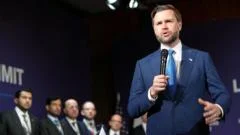
The initial round of negotiations, led by US special envoy Steve Witkoff, is focused on establishing a framework for a broader agreement. According to reports, the talks are expected to cover three critical areas: Iran's nuclear program, a halt to hostilities in Lebanon, and the reopening of the Strait of Hormuz, a vital waterway for global oil shipments. The presence of Vice President JD Vance in Switzerland underscores the high priority the Trump administration has placed on these talks.
Why these talks matter for the Middle East and the world
The stakes could not be higher. A successful deal could halt a devastating war in Lebanon, prevent a broader regional conflict, and stabilize global energy markets that have been roiled by the Strait of Hormuz closure. For ordinary people, the outcome could mean lower fuel prices, an end to the threat of wider war, and a potential reduction in the humanitarian crisis in Lebanon. Failure, however, risks a return to open conflict and further economic disruption.
How the situation escalated to this point
The path to the negotiating table has been bloody. Tensions between the US and Iran escalated sharply after the collapse of the 2015 nuclear deal. The situation worsened with the outbreak of fighting in Lebanon, which drew in Iranian-backed groups. Iran's recent claim to have shut the Strait of Hormuz, a move that sent oil prices soaring, appears to have been a major catalyst for the US decision to pursue direct talks. Previous attempts at indirect negotiations had stalled.
Who is affected by the outcome of the talks?
The impact of these talks extends far beyond the negotiating room. Millions of civilians in Lebanon are caught in the crossfire of the ongoing conflict. Global consumers are feeling the pinch of higher energy prices. Investors are watching nervously for any sign of a breakthrough or breakdown. For the Iranian people, a deal could mean relief from crippling economic sanctions. For the US, it represents a chance to avoid another costly Middle Eastern entanglement.
What US and Iranian officials are saying
US officials have struck a cautiously optimistic tone. "We're going to hopefully make progress on the nuclear issue, make progress on the Lebanon ceasefire," a senior US official said, according to reports. Iranian officials have indicated that any agreement is conditional on a halt in fighting in Lebanon. Pakistan has also played a role in facilitating the talks, with its officials confirming the Sunday start date. The exact location of the talks within Switzerland has not been publicly disclosed, but the Burgenstock resort is a known venue for such high-level diplomacy.
What a peace deal could actually look like
Analysts believe the talks are unlikely to produce a comprehensive agreement in one round. Instead, the goal is likely a "framework" or "initial peace deal" that establishes principles for further negotiation. This could include a temporary ceasefire in Lebanon, a commitment from Iran to halt nuclear enrichment at a certain level, and a phased reopening of the Strait of Hormuz. In return, Iran would likely seek sanctions relief and security guarantees. The devil, as always, will be in the details.
Confirmed facts vs what remains unclear
Confirmed: Face-to-face talks have begun in Switzerland. Steve Witkoff is leading the US delegation. JD Vance has arrived in Switzerland. The talks cover the nuclear issue, Lebanon, and the Strait of Hormuz. Pakistan confirmed the talks would start on Sunday.
Unclear: The exact location of the talks. The specific composition of the Iranian delegation. Whether any progress has been made in the first sessions. The precise conditions Iran has set for a ceasefire in Lebanon. The timeline for any potential agreement.
Why the US pushed for direct talks now
The decision to engage in direct talks represents a significant shift in US strategy. The closure of the Strait of Hormuz appears to have been a major trigger, creating an immediate economic crisis. The ongoing conflict in Lebanon, which has drawn in US allies and created a humanitarian disaster, also demanded a diplomatic solution. The Trump administration, despite its "maximum pressure" policy, appears to have calculated that the risks of continued escalation outweigh the political costs of negotiating with Tehran.
Risks and concerns surrounding the negotiations
The talks are fraught with risk. Critics argue that negotiating with Iran rewards its aggressive behavior, including the Strait of Hormuz closure and its support for armed groups in Lebanon. There are concerns that Iran will use the talks to buy time while advancing its nuclear program. On the other side, Iran may fear that the US is not negotiating in good faith and will walk away from any deal, as it did with the 2015 agreement. The lack of trust between the two sides is the single biggest obstacle.
A wider pattern of diplomacy amid conflict
These talks are part of a broader pattern of diplomatic efforts in the region. Pakistan's role as a facilitator highlights the complex web of alliances and intermediaries at play. The talks also come as other regional powers, including Saudi Arabia and the UAE, have been pursuing their own détente with Iran. The success or failure of the US-Iran talks could set the tone for the entire region's security architecture for years to come.
What this means for you — practical guidance
For consumers: Watch for any announcements regarding the Strait of Hormuz. A reopening could lead to lower petrol and energy prices. For investors: Energy and defense stocks are likely to be volatile. A deal could hurt oil stocks but boost broader markets. For those concerned about global security: A successful outcome could reduce the risk of a wider war. For students of international relations: This is a textbook case of coercive diplomacy and crisis negotiation.
What happens next
The first round of talks is expected to last several days. If a framework is agreed upon, further rounds will follow to hammer out the details. The key milestones to watch are: a public statement from both sides, any announcement of a Lebanon ceasefire, and any signs of movement on the Strait of Hormuz. If talks collapse, the region could face a rapid escalation, including potential US military action to reopen the strait.
Our Take
The start of direct US-Iran talks in Switzerland is a significant diplomatic development, but it is only the beginning of a long and uncertain process. The fact that both sides are willing to sit face-to-face suggests a mutual recognition that the current trajectory is unsustainable. However, the deep-seated mistrust and the complexity of the issues mean that failure is just as likely as success. The world will be watching closely, hoping that this time, diplomacy can prevail over conflict.
Frequently Asked Questions
Why are the US and Iran holding talks in Switzerland?
Switzerland is a neutral country with a long history of hosting sensitive diplomatic negotiations. It provides a secure and discreet environment for both sides to meet without the political baggage of holding talks in either country.
What is the Strait of Hormuz and why does it matter?
The Strait of Hormuz is a narrow waterway between Iran and Oman through which about 20% of the world's oil passes. Iran's claim to have shut it has caused a spike in global oil prices and threatens the global economy.
What is the connection between the Lebanon fighting and the US-Iran talks?
Iran backs Hezbollah, a powerful armed group in Lebanon that has been involved in the current fighting. A ceasefire in Lebanon is a key condition for any broader US-Iran agreement.
Could these talks lead to a new nuclear deal with Iran?
Yes, the nuclear issue is one of the three main topics on the table. However, the talks are focused on an "initial peace deal" first, which would establish a framework before tackling the more complex nuclear details.