
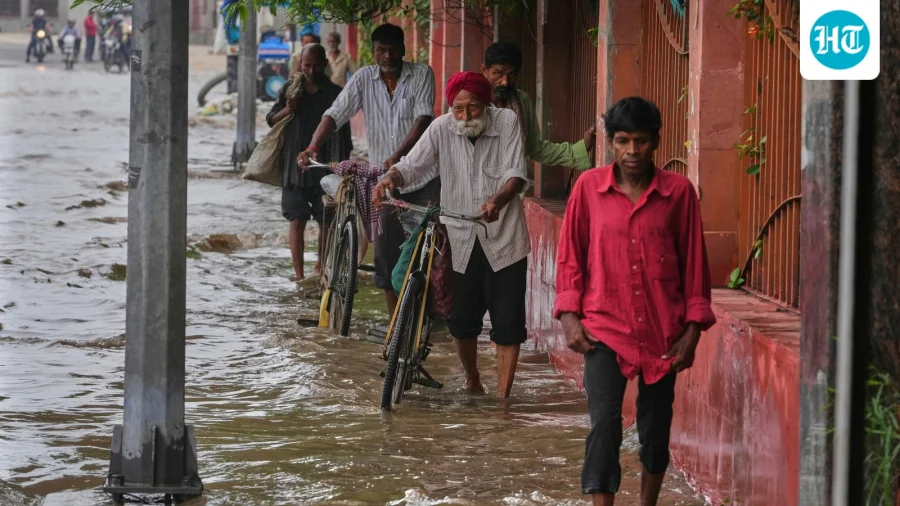
Delhi residents wading through knee-deep water after every heavy spell may finally see a shift in official urgency. Lieutenant Governor Taranjit Singh Sandhu has directed civic agencies to treat waterlogging as a disaster — a classification that changes how quickly and seriously authorities must respond. The message is clear: routine repair work will no longer be an acceptable excuse.
Why the ‘disaster’ tag changes the game for Delhi’s monsoon chaos
Calling waterlogging a disaster is not just semantics. It pushes the issue beyond the municipal domain into a coordinated emergency response framework. This means multiple agencies — from the Public Works Department to the NDMC and the MCD — may now be compelled to act under a unified command structure during heavy rainfall.
For residents, the practical difference could be faster deployment of pumps, quicker road closures, and more immediate relief measures. The directive signals that the administration views the problem as a public safety issue, not just an inconvenience.
NDMC chief’s apology: A rare admission of civic failure
NDMC chief Manoj Dwivedi’s public apology for prolonged waterlogging stands out in Delhi’s civic landscape. Such admissions are rare, especially from senior officials. His statement acknowledges what residents have long complained about — that waterlogging persists far beyond the rain itself.
The apology may also reflect growing pressure from the LG’s office to own up to failures rather than deflect blame. It sets a precedent for accountability that other civic bodies may now be forced to follow.
How Delhi’s waterlogging problem built up over the years
Delhi’s drainage system has struggled to keep pace with rapid urbanisation. Encroachments on storm drains, inadequate maintenance, and a sewer network that mixes with stormwater lines have compounded the issue. Each monsoon exposes these weaknesses, but systemic fixes have been slow.
The LG’s directive comes after repeated complaints from residents and political pressure over the city’s inability to handle even moderate rainfall. The problem is not new — but the official response may finally be shifting.
What this means for residents who face waterlogging every year
For the average Delhiite, the directive offers a glimmer of hope. It suggests that officials will now be judged on their response during rains, not just on paperwork after the fact. Commuters stuck in traffic, families dealing with water entering homes, and daily wage workers losing income to flooded streets all stand to benefit from a faster, more serious response.
However, residents remain cautious. Past directives have not always translated into on-ground change. The real test will come with the next heavy downpour.
LG’s directive and the official response so far
According to the original story, LG Taranjit Singh Sandhu directed officials to treat waterlogging as a disaster. NDMC chief Manoj Dwivedi separately apologised for the prolonged waterlogging. No further official statements or detailed action plans have been confirmed at this stage.
The absence of a detailed public response from other civic bodies leaves questions about how the directive will be implemented. Officials have not yet specified what new protocols will be introduced or how accountability will be enforced.
What the ‘disaster’ classification really means in practice
In administrative terms, a disaster classification typically activates emergency protocols. This can include pre-positioned rescue teams, dedicated control rooms, and faster fund allocation. For waterlogging, it could mean treating flooded roads as emergency zones rather than routine maintenance sites.
Experts argue that the classification alone is insufficient. Without clear standard operating procedures and trained staff, the tag remains symbolic. The administration will need to back the directive with resources and monitoring.
Confirmed facts vs what remains unclear in the waterlogging directive
What is confirmed: The LG has issued a directive to treat waterlogging as a disaster. The NDMC chief has apologised for prolonged waterlogging. What remains unclear: The specific action plan, timelines for implementation, and whether other civic bodies like the MCD will adopt similar measures. No official documents or detailed statements have been released beyond the headline report.
Why Delhi’s civic agencies struggle with monsoon preparedness
Delhi’s governance structure divides responsibilities across multiple bodies — the NDMC for New Delhi, the MCD for the rest of the city, and the PWD for major roads. This fragmentation often leads to blame games during crises. The LG’s directive may be an attempt to cut through this bureaucratic maze.
Coordination has historically been weak, with agencies pointing fingers at each other when waterlogging occurs. A unified disaster framework could force collaboration, but only if backed by clear authority and monitoring.
Risks and concerns: Will the directive actually change anything?
Sceptics point out that past directives and apologies have not always led to lasting change. The risk is that this becomes another symbolic gesture without operational follow-through. Civic bodies may respond with temporary measures during the monsoon but fail to address the underlying drainage issues.
There is also the question of funding. A disaster classification may not automatically unlock new budgets unless the state and central governments allocate additional resources. Without financial backing, the directive may struggle to translate into visible improvements.
The wider pattern: Indian cities and the annual monsoon struggle
Delhi is not alone in facing this crisis. Cities like Mumbai, Bengaluru, and Chennai grapple with similar waterlogging issues every year. The pattern is consistent — rapid urbanisation, inadequate infrastructure, and reactive rather than proactive governance. Delhi’s directive could set a precedent for how other cities approach the problem.
If Delhi successfully implements a disaster-based response, it may encourage other urban centres to adopt similar frameworks. The challenge lies in execution, not intention.
What residents should do when waterlogging hits their area
Residents should report waterlogging complaints through official channels like the NDMC or MCD helplines and the centralised grievance portals. Documenting the issue with photos and timestamps can help build pressure on authorities. For immediate safety, avoid walking or driving through flooded areas, as water levels can hide open manholes and electrical hazards.
Community-level coordination — such as informing neighbours and sharing real-time updates — can also help reduce risks during heavy rains.
What happens next: Monitoring the monsoon response
The coming weeks will reveal whether the directive translates into action. Officials are expected to review drainage infrastructure and response protocols before the next heavy spell. Residents and civic watchdogs will be watching closely to see if the apology and the disaster tag lead to measurable change.
If the administration follows through, Delhi could see faster response times and better coordination. If not, the directive will join a long list of well-intentioned announcements that failed to survive contact with the ground.
Our Take
The LG’s directive and the NDMC chief’s apology are significant signals, but they are only the first steps. Delhi’s waterlogging problem is systemic, and no single directive can fix decades of infrastructural neglect. The real test lies in whether the administration can convert this newfound urgency into sustained action — not just during the monsoon, but through year-round maintenance and planning. For now, residents have reason for cautious optimism, but they have heard promises before.
Frequently Asked Questions
What did the Delhi LG say about waterlogging?
Delhi LG Taranjit Singh Sandhu directed officials to treat waterlogging as a disaster, which means it should be handled with emergency-level urgency rather than routine civic work.
Why did the NDMC chief apologise?
NDMC chief Manoj Dwivedi apologised for the prolonged waterlogging that affected residents, acknowledging the inconvenience caused by slow response and persistent flooding.
How will the ‘disaster’ tag change the response to waterlogging?
The classification could lead to faster coordination between agencies, quicker deployment of pumps and relief teams, and stricter accountability for officials during heavy rains.
What should Delhi residents do during waterlogging?
Residents should report complaints through official helplines, avoid walking or driving through flooded areas, and document issues with photos to pressure authorities for action.