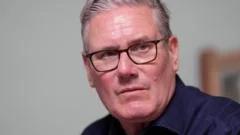
For the families who have lost children to the dark side of social media, the wait for meaningful action has been agonising. Now, after a meeting that many feared would never happen, Prime Minister Keir Starmer has made a direct promise: the government is going to act. But for the parents who have turned grief into a campaign for change, the real question remains — will the action be strong enough?
Starmer’s vow after meeting with grieving families
Keir Starmer has agreed to meet with bereaved parents whose children died as a result of harmful social media content, and following that meeting, he has publicly stated that the government will take action. The Prime Minister’s commitment comes after mounting pressure from campaigners who have long argued that tech companies have been allowed to operate with impunity, leaving children vulnerable to online dangers including cyberbullying, harmful content, and exploitation.
According to reports, Starmer told the families: “We’re going to act.” The meeting, which took place at Downing Street, was described as emotional and direct, with parents sharing the devastating personal stories of their children’s deaths and demanding systemic change.
Why This Matters Right Now
This is not just a political promise — it is a moment of reckoning. Every day, thousands of children across the UK are exposed to harmful content on social media platforms. The parents who met Starmer represent a growing movement that has forced the issue of online safety to the top of the political agenda. With the government currently deciding on its next steps, the outcome of this meeting could shape the future of how social media is regulated in Britain.
For families, the stakes could not be higher. They are not asking for minor tweaks — they want fundamental changes, including potential bans on social media access for children under a certain age, stricter age verification, and legal accountability for tech companies.
How the meeting unfolded
The meeting was the result of a sustained campaign by bereaved parents who had written to Starmer, publicly called for action, and refused to be ignored. Initially, some parents felt their requests were being dismissed. Ellen Roome, whose child died, previously said Starmer had “ignored” her meeting request. But after public pressure and media coverage, the Prime Minister agreed to sit down with the families.
During the meeting, parents presented their cases directly, describing the specific ways social media had contributed to their children’s deaths. They urged Starmer to move beyond consultation and into decisive legislation.
Who Is Affected and What Officials Are Saying
The immediate impact is on the families themselves, who have been fighting for years for accountability. But the ripple effects extend to every parent in the UK who worries about what their children see online. The government’s response will also be closely watched by tech companies, child safety advocates, and international regulators.
Officials have not yet detailed the specific measures the government plans to introduce. However, the Prime Minister’s public vow signals that the issue is now a priority. The government is reportedly considering a range of options, from stronger enforcement of existing laws to new legislation that could impose stricter duties on social media platforms.
What We Know So Far — and What Remains Unclear
What we know: Starmer has met with bereaved parents and promised government action on social media. The meeting was described as constructive, and the Prime Minister acknowledged the need for change.
What remains unclear: The exact nature and timeline of the proposed action. Will the government introduce a complete ban on social media for children? Will it impose fines or criminal liability on tech executives? And crucially, will the measures be strong enough to satisfy the families who have been campaigning for years?
Some parents have expressed cautious optimism but remain skeptical. They have heard promises before, and they are waiting to see if this time will be different.
Risks, Concerns, and the Balanced View
While the promise of action is welcome, there are significant challenges ahead. Tech companies have powerful lobbying arms and will resist heavy regulation. Any new laws will need to balance child safety with freedom of expression and privacy concerns. There is also the risk that legislation could be watered down during the parliamentary process.
Critics of a blanket ban argue that it could drive children to unregulated platforms or create a false sense of security. Others point out that enforcement is difficult — age verification systems can be bypassed, and global platforms may not comply with UK laws.
On the other hand, supporters of strong action argue that the current situation is untenable. They point to rising rates of child mental health issues linked to social media, and the tragic deaths that have galvanised the campaign. For them, the risk of doing nothing is far greater than the risk of acting imperfectly.
Why Similar Concerns Are Growing Across the UK
The issue of children’s online safety is not new, but it has gained unprecedented momentum in recent months. High-profile cases, media investigations, and campaigns by bereaved parents have shifted public opinion. Polls show that a majority of UK adults support stronger regulation of social media, including age restrictions.
Other countries are also moving. Australia has already passed laws banning social media for children under 16, and the European Union has implemented the Digital Services Act, which imposes strict rules on platforms. The UK, which left the EU, is now under pressure to match or exceed these standards.
- Australia banned social media for under-16s in 2024
- The EU’s Digital Services Act requires platforms to protect minors
- UK campaigners want similar or stronger measures
“This is our moment to make sure Starmer acts on social media. Right now, the government is deciding what to do about children and social media.” — Campaign statement from bereaved parents group
What Parents and the Public Should Know Now
For parents worried about their children’s online safety, the message from this meeting is that the government is listening — but action is not yet guaranteed. In the meantime, families can take practical steps: use parental controls, have open conversations about online risks, and report harmful content to platforms and authorities.
For campaigners, the focus now shifts to holding the government accountable. The promise of action must be followed by concrete legislation, and the public will be watching closely.
What Could Happen Next
The government is expected to announce its plans in the coming weeks or months. Possible outcomes include:
- A new Online Safety Bill with stronger provisions for children
- Age verification requirements for social media platforms
- Legal duties on tech companies to prevent harm to minors
- Potential bans or restrictions on social media access for children under 16
The bereaved parents have made it clear they will continue campaigning until they see meaningful change. If the government’s action is seen as insufficient, public pressure is likely to intensify.
Our Take: Why This Story Matters Beyond One Meeting
This is not just a political story — it is a human one. Behind every statistic about children and social media are real families who have suffered unimaginable loss. The meeting between Starmer and the bereaved parents represents a rare moment where grief meets power, and where personal tragedy forces a national conversation.
Whether the government delivers on its promise will be a test of its commitment to child safety. For the parents who have fought so hard, anything less than decisive action will feel like a betrayal. For the rest of us, this is a reminder that the digital world we have built comes with real-world consequences — and that protecting children must be a priority, not an afterthought.
FAQs
What did Keir Starmer promise after meeting bereaved parents?
Prime Minister Keir Starmer vowed that the government will take action on social media regulation following an emotional meeting with parents whose children died due to harmful online content. He said, “We’re going to act,” but has not yet detailed specific measures.
Why are bereaved parents demanding action on social media?
The parents believe that social media platforms have failed to protect children from harmful content, including cyberbullying, exploitation, and dangerous challenges, which they say contributed to their children’s deaths. They are calling for stronger laws to hold tech companies accountable.
What kind of social media regulation is the UK government considering?
While no final decisions have been announced, the government is reportedly considering options including stricter age verification, a potential ban on social media for children under 16, and new legal duties on platforms to prevent harm to minors. The exact timeline remains unclear.
How can parents protect their children from harmful social media content now?
Parents can use built-in parental controls on devices and platforms, have regular conversations about online safety, monitor their children’s online activity, and report harmful content to platforms and organisations like the NSPCC or the UK Safer Internet Centre.