
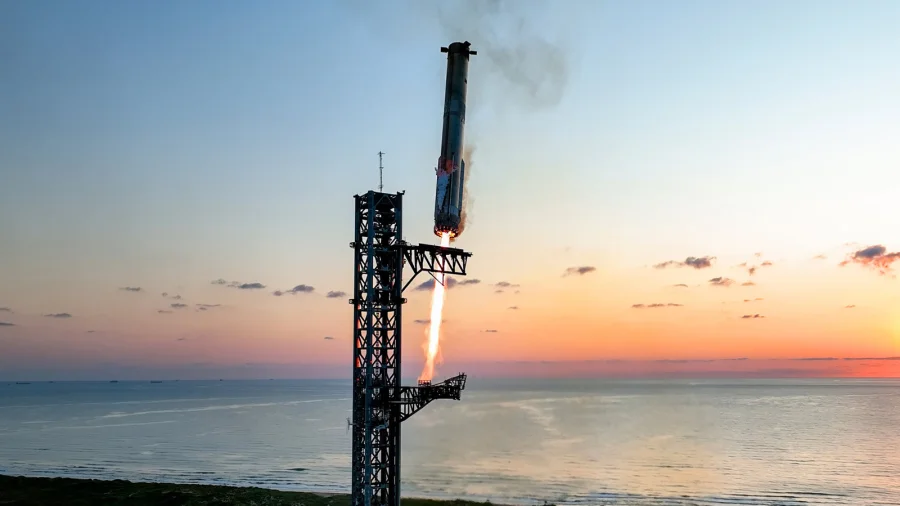
SpaceX, the most anticipated public listing in years, won't be getting a fast track into the world's most influential stock index. S&P Dow Jones Indices has decided against loosening its rules to allow the Elon Musk-led company early entry into the S&P 500, a move that dashes hopes of immediate index fund buying pressure on the stock.
Why the index said no to SpaceX
S&P Dow Jones Indices considered whether to change its eligibility criteria to accommodate SpaceX, but ultimately decided to keep its rules unchanged. The index provider announced Thursday that newly listed companies must still wait at least 12 months before being considered for inclusion. This standard "seasoning" requirement is designed to ensure a company has a stable trading history and meets liquidity standards before entering the benchmark.
What this means for SpaceX investors
For investors who bought SpaceX shares expecting quick index inclusion, the decision is a significant disappointment. S&P 500 membership typically triggers massive buying from index funds and ETFs that track the benchmark, often boosting a stock's price. Without early entry, SpaceX shares will not benefit from this automatic demand for at least a year. The decision also means that the stock's price will be driven purely by active investors and fundamentals rather than passive inflows.
The debate over index rules and megacap IPOs
The question of whether to fast-track megacap IPOs like SpaceX has been a growing debate among index providers. Proponents argue that companies with massive market capitalizations and high trading volumes should not be excluded simply because they are new. Critics, however, warn that relaxing the rules could undermine the index's integrity by allowing companies without a proven public track record to enter. S&P Dow Jones Indices has sided with the cautious approach, prioritizing consistency over accommodating a single company.
Who is affected by this decision
The decision affects a broad range of market participants. Retail investors who bought SpaceX shares hoping for a quick index boost will have to adjust their expectations. Institutional investors who positioned for early inclusion may also need to reassess. More broadly, the decision sets a precedent for other large IPOs, such as those from highly valued private companies that may go public in the future. The message is clear: no company, regardless of its size or hype, gets special treatment from the S&P 500.
S&P Dow Jones Indices defends its position
S&P Dow Jones Indices has not publicly detailed its internal deliberations, but the decision reflects a commitment to its established methodology. The index provider has historically resisted pressure to make exceptions, even for the largest companies. In a statement, the group said it had decided against making changes to its rules, reaffirming the 12-month seasoning requirement. The decision is consistent with how the index has treated other high-profile IPOs in the past, including Facebook and Alibaba.
Why the 12-month rule exists
The 12-month waiting period is not arbitrary. It allows index providers to assess a company's trading stability, liquidity, and corporate governance after going public. Newly listed companies can experience extreme volatility, insider selling, and regulatory scrutiny. The seasoning period helps ensure that only companies with a reliable public market presence are included in the benchmark that millions of investors rely on.
Confirmed Facts vs What Remains Unclear
Confirmed: S&P Dow Jones Indices has decided not to change its rules to allow SpaceX early entry. The 12-month seasoning requirement remains in place. The decision was announced on Thursday.
Unclear: The exact internal discussions within S&P Dow Jones Indices have not been disclosed. It is also unclear whether SpaceX or its advisors formally requested an exception. The specific timeline for when SpaceX will be eligible for review after the 12-month period has not been detailed.
SpaceX's market position and why it matters
SpaceX is not just any IPO. The company dominates the global launch market with its reusable rocket technology, operates the Starlink satellite internet constellation, and has contracts with NASA and the U.S. military. Its valuation at listing placed it among the largest companies in the world by market cap. This unique position is why the question of early S&P 500 entry even arose — no other newly public company has had this level of market influence and investor demand.
Risks and balanced view of the decision
While the decision upholds index integrity, it also carries risks. Some investors argue that excluding a company of SpaceX's size from the S&P 500 for a year makes the index less representative of the U.S. economy. Others worry that the rigid rule could discourage large private companies from going public if they fear a lack of index support. On the other hand, critics of fast-tracking say that making exceptions for popular companies could set a dangerous precedent and erode trust in the index's methodology.
Broader trend: Index providers face pressure from megacap IPOs
The SpaceX case is part of a larger conversation about how stock indices handle the growing number of megacap companies going public. As private companies stay private longer and achieve massive valuations before listing, traditional index rules designed for smaller IPOs may need updating. Other index providers, such as FTSE Russell and MSCI, have their own seasoning requirements, and the industry is watching to see if any will adapt to the new reality of billion-dollar IPOs.
What investors should do now
For investors holding SpaceX shares, patience is key. The stock will trade based on company performance and market sentiment for at least the next 12 months. Those who bought specifically for index inclusion may want to reassess their strategy. For potential buyers, the lack of immediate index demand could mean a more attractive entry price. It is also worth monitoring whether S&P Dow Jones Indices revisits its rules in the future, especially if other large IPOs emerge.
What happens next for SpaceX and the S&P 500
SpaceX will become eligible for S&P 500 consideration after the 12-month seasoning period ends, assuming it meets other criteria such as market capitalization, liquidity, and profitability requirements. The exact date of eligibility will depend on its listing date. If the company continues to perform well and meets all conditions, it could be added to the index in a future quarterly rebalancing. Until then, SpaceX remains outside the benchmark, and investors must wait.
Our Take
The decision by S&P Dow Jones Indices is a victory for index integrity over special treatment. While SpaceX is undeniably a transformative company, the rules exist for a reason — to protect investors and maintain the credibility of the world's most important stock benchmark. The disappointment among some investors is understandable, but the long-term health of the index depends on consistent, transparent criteria. This decision also sends a signal to other megacap companies: no one is too big for the rules. For now, SpaceX will have to prove itself in the public markets like every other company before it.
Frequently Asked Questions
Why was SpaceX denied early entry to the S&P 500?
S&P Dow Jones Indices decided against changing its rules to allow SpaceX early entry. The index requires newly listed companies to wait at least 12 months before being considered for inclusion, a standard seasoning requirement to ensure trading stability and liquidity.
How long does SpaceX have to wait before it can join the S&P 500?
SpaceX must wait at least 12 months from its listing date before it becomes eligible for S&P 500 consideration. After that, it must also meet other criteria like market capitalization and profitability.
Does this decision affect other newly public companies?
Yes, the decision reaffirms the 12-month seasoning requirement for all newly listed companies. Other megacap IPOs will also have to wait before being considered for S&P 500 inclusion.
What does this mean for SpaceX stock price?
Without early index inclusion, SpaceX shares will not benefit from automatic buying by index funds and ETFs. The stock price will be driven by active investors and company fundamentals rather than passive inflows, which could lead to more volatility in the short term.