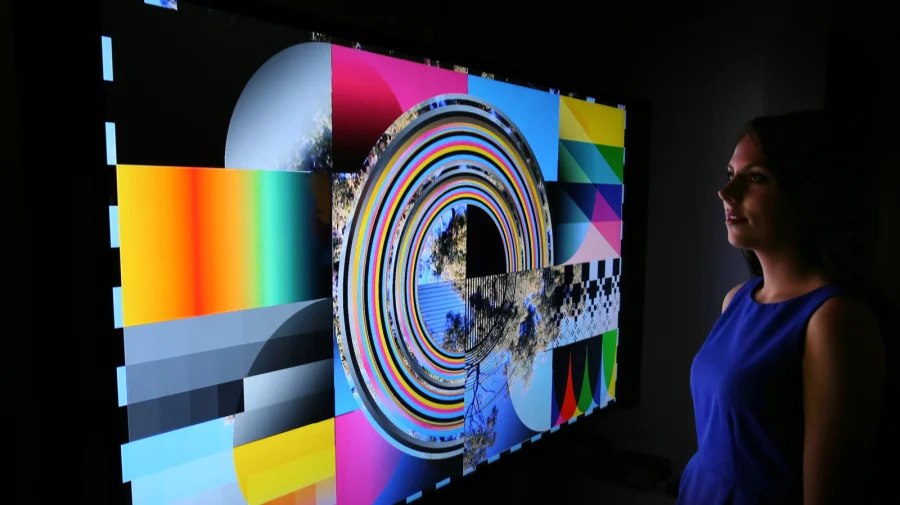
If you've been holding off on buying an OLED laptop, monitor, or TV because you're terrified of burn-in, 2026 might be the year to finally let go of that fear. The dreaded "ghost image" that once haunted early OLED adopters is now a rarity for most users — not because the technology is perfect, but because it has quietly gotten much, much better.
What Actually Changed in OLED Technology?
Modern OLED panels — whether in the latest LG C-series TVs, Samsung QD-OLED monitors, or Dell XPS laptops — use smarter pixel management. Pixel shifting, where the entire image moves by a few invisible pixels periodically, prevents static elements from burning in. Logo luminance reduction dims bright static logos automatically. And improved heat dissipation means the organic materials degrade far more slowly than they did five years ago.
Why the Panic Never Matched Reality
The fear of burn-in was always amplified by extreme use cases: airport departure boards, 24-hour news channels with static tickers, or digital signage running the same image for years. For a typical user — someone who watches varied content, browses the web, and uses productivity apps — the risk was always low. In 2026, it's even lower. As one industry analysis noted, "OLED laptop burn-in is still worth understanding, but it is not something most buyers need to panic about."
Who Should Still Be Cautious?
There are still scenarios where caution is warranted. If you use your OLED monitor exclusively for a single application with a fixed UI — say, a stock trading platform with a static toolbar, or a broadcast monitor showing the same overlay for hours daily — you are in a higher-risk category. Similarly, if you leave your OLED TV on a news channel 12 hours a day, the ticker could eventually leave a faint mark. But for the vast majority of home and office users, this is not a realistic concern.
What Manufacturers Are Doing About It
Every major OLED maker now includes built-in protections. LG's OLED TVs have a "Pixel Refresher" that runs automatically. Samsung's QD-OLED monitors include a "Panel Protection" feature. Dell's OLED laptops trigger a screen saver after a few minutes of inactivity. These features are not gimmicks — they actively reduce the wear that leads to burn-in. The result is that even if you forget to use dark mode, the screen is protecting itself.
The Real Longevity Question: Not Burn-In, But Brightness
For most users, the more noticeable long-term change in an OLED screen is not burn-in but gradual brightness reduction. OLED organic materials naturally degrade over time, meaning a five-year-old screen may not be as bright as a new one. This is a slow, uniform process — not the uneven ghosting that burn-in implies. For typical viewing, this brightness loss is barely perceptible for years.
Confirmed Facts vs What Remains Unclear
Confirmed: Modern OLED panels have significantly reduced burn-in risk through pixel shifting, logo dimming, and improved materials. Burn-in is still technically possible under extreme static-content use. Most users will never experience visible burn-in during the normal lifespan of their device.
Unclear: The exact long-term degradation rate of 2026-era OLED panels compared to older models. Independent long-term tests are still ongoing. The impact of new technologies like tandem OLED (used in some tablets) on burn-in resistance is still being studied.
Simple Habits That Further Reduce Risk
Even with modern protections, a few habits add an extra layer of safety. Use dark mode in apps and operating systems — it reduces pixel wear. Set a short screen-off timer (2–3 minutes) for laptops and monitors. Avoid leaving static images on screen for hours, especially with high brightness. And if you use your OLED TV as a computer monitor, consider hiding the taskbar. These are not necessary for most users, but they cost nothing and offer peace of mind.
Wider Trend: OLED Is Becoming the Default
The burn-in conversation is part of a larger shift: OLED is no longer a niche, expensive technology. It is now standard in premium smartphones, high-end laptops, and mid-range TVs. As adoption grows, manufacturers have invested heavily in durability because returns and warranty claims are expensive. The market has forced the technology to mature. In 2026, buying an OLED screen is not a gamble — it's a choice for better picture quality.
Practical Guidance for Buyers
If you are considering an OLED laptop, monitor, or TV in 2026, do not let burn-in fear be the deciding factor. Instead, focus on your actual usage pattern. If you watch varied content, browse the web, and use multiple applications, you are in the low-risk category. If you run a single static application for 10 hours a day, consider an IPS or mini-LED panel instead — or use the OLED with the protective features enabled. For everyone else, enjoy the deep blacks and vibrant colors without worry.
Future Outlook
Looking ahead, OLED burn-in will likely become a footnote in display history. Tandem OLED, already used in some tablets, stacks two OLED layers for higher brightness and longer life. Micro-lens arrays improve light extraction, reducing the electrical stress on each pixel. And as AI-driven content detection becomes smarter, screens will adjust pixel wear in real time. By 2030, the question "Should I worry about OLED burn-in?" may sound as outdated as asking about CRT screen burn.
Our Take
The burn-in panic was always a case of a real but exaggerated problem. Early OLEDs did have issues, and those stories stuck. But technology evolves, and the narrative has not kept up. In 2026, OLED burn-in is a manageable, low-probability event for the vast majority of users. The real story is not about fear — it's about how far display technology has come. If you have been waiting for the "right time" to buy OLED, that time is now.
Frequently Asked Questions
Can OLED burn-in still happen in 2026?
Yes, but it is rare for typical users. Extreme static-content use — like a fixed news ticker running 24/7 — can still cause burn-in. For normal varied use, modern protections make it unlikely.
How long do modern OLED screens last before burn-in?
Most modern OLED panels are rated for 30,000 to 100,000 hours of use before noticeable degradation. For a typical user watching 4–6 hours daily, that translates to 15–30 years. Burn-in, if it occurs, usually appears much later than this.
Does dark mode prevent OLED burn-in?
Dark mode reduces the amount of light emitted by pixels, which slows the natural degradation of organic materials. It does not prevent burn-in entirely, but it reduces the stress on the screen and can extend overall lifespan.
Is OLED burn-in covered under warranty?
Some manufacturers, like LG and Samsung, offer burn-in coverage in their premium warranties (e.g., LG's "5-Year Panel Warranty" on select models). Standard warranties often exclude burn-in as "wear and tear." Always check the specific warranty terms before purchase.