Summary
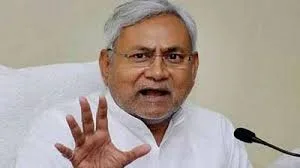
Shiv Sena leader Sanjay Raut called for Prime Minister Narendra Modi to resign on March 22, 2026, citing the government’s failure to control rising inflation. Raut used the Prime Minister’s own past words against him, suggesting it is time to "pick up the bag and leave" as the cost of living becomes unbearable for many citizens. The demand comes as the opposition accuses the central government of prioritizing state election campaigns over the economic struggles of the public.
Question Answer Who took the action? Sanjay Raut (Shiv Sena leader) What happened? Demanded PM Modi's resignation over inflation When did it happen? March 22, 2026 How much changed? Political pressure increased ahead of state polls Why does it matter? Links economic hardship directly to political leadership Who is affected? The central government and the general public What was the earlier level? Previous focus was on general policy criticism What happens next? Likely increase in opposition protests and rallies
Main Impact
The primary effect of this development is the sharpening of the political narrative around the economy. By using the phrase "Ab jhola uthao aur chale jao," the opposition is attempting to turn the Prime Minister’s image of a simple leader against him. This shift moves the conversation from abstract economic data to the direct accountability of the top leadership. It signals that the opposition intends to make the cost of daily essentials the central theme of upcoming state elections.
Key Details
What Happened
Sanjay Raut addressed the media to voice concerns about the rising prices of food, fuel, and other basic needs. He argued that the government appears distracted by political gains while families struggle to balance their budgets. The specific use of the "jhola" (bag) reference is a direct callback to a famous 2016 speech where the Prime Minister described himself as a "fakir" or ascetic who could leave office at any time with just his bag. Raut’s statement suggests that the time for that departure has arrived because of the current economic climate.
Important Numbers and Facts
The opposition's criticism is rooted in the steady rise of the Consumer Price Index. While specific new figures were not the focus of Raut's statement, the broader context involves the rising costs of LPG cylinders, petrol, and edible oils, which have seen frequent adjustments over the past year. The timing is also tied to the schedule of several state elections where the ruling party and the opposition are locked in close contests.
Key Fact Value Main person or group Sanjay Raut and the Opposition Main action Call for PM's resignation Date or period March 22, 2026 Amount or figure Not specified (General inflation) Previous level Moderate political criticism Current level High-intensity personal demand Main effect Increased focus on election-year economics Next step Nationwide protests by opposition parties
Background and Context
Inflation has been a persistent issue in Indian politics for decades. It is often the single most influential factor in how people vote. In recent years, the government has pointed to global supply chain disruptions and international conflicts as the reasons for high prices. However, the opposition argues that domestic taxes on fuel and a lack of support for the middle class are the real drivers. The "jhola" comment is part of a larger strategy to paint the government as out of touch with the common person's kitchen expenses.
Real Example or Practical Case
To understand the weight of Raut's criticism, consider the cost of a standard domestic LPG cylinder. If the price rises by 50 or 100 rupees in a short period, it directly impacts the monthly savings of a lower-middle-class household. When these increases happen alongside rising costs for milk and vegetables, the cumulative effect forces families to cut back on other needs like education or healthcare. The opposition is using these everyday struggles to argue that the government’s focus on election rallies is a neglect of duty.
Who Is Affected
The people most affected by this political friction are the voters. On one side, the general public is dealing with the actual rise in prices. On the other side, the ruling party faces a challenge to its reputation as an efficient manager of the economy. Small business owners and daily wage earners are particularly sensitive to these changes, as their profit margins and purchasing power shrink when inflation stays high for too long.
Public or Industry Reaction
While the government has not yet issued a formal point-by-point rebuttal to Raut's specific comment, supporters of the ruling party often argue that India’s inflation is lower than in many other developing nations. Economic experts remain divided. Some suggest that the government needs to do more to lower fuel taxes, while others believe that global market forces leave the administration with few options. Within the opposition, there is a growing sense of unity in using inflation as a common platform to challenge the current leadership.
Risks, Limits, or What to Watch
One risk for the opposition is that relying solely on slogans like "pick up your bag" may not be enough if they do not offer a clear alternative economic plan. Voters often look for solutions rather than just complaints. Additionally, if global oil prices drop or the government introduces new subsidies before the elections, the opposition’s current momentum could slow down. It is also worth watching how the government responds in its upcoming budget reviews or policy announcements.
What This Means Going Forward
In the coming months, expect the rhetoric to become even more intense. The opposition will likely organize more street-level protests to keep the focus on price hikes. The government may respond by launching new welfare schemes or targeted subsidies to ease the burden on the poor. The success of either side will depend on whether the public believes the inflation is an unavoidable global trend or a result of local mismanagement.
Final Take
The demand for a leader to step down over economic issues is a standard part of politics, but using a leader's own humble self-description as a weapon adds a personal edge to the debate. Whether this pressure leads to policy changes or just more campaign noise will depend on how much the average household budget continues to stretch in the face of rising costs.
Frequently Asked Questions
What did Sanjay Raut say about PM Modi?
He told the Prime Minister to "pick up his bag and leave," suggesting that the government has failed to handle inflation and is too focused on winning elections.
Why is the "jhola" or bag reference important?
It refers to a 2016 speech where PM Modi called himself a "fakir" who could leave office easily with just his bag. Raut is using this image to demand his resignation.
How is inflation affecting the political climate?
Inflation has become a major campaign issue for upcoming state elections, with the opposition blaming the central government for the high cost of fuel and food.