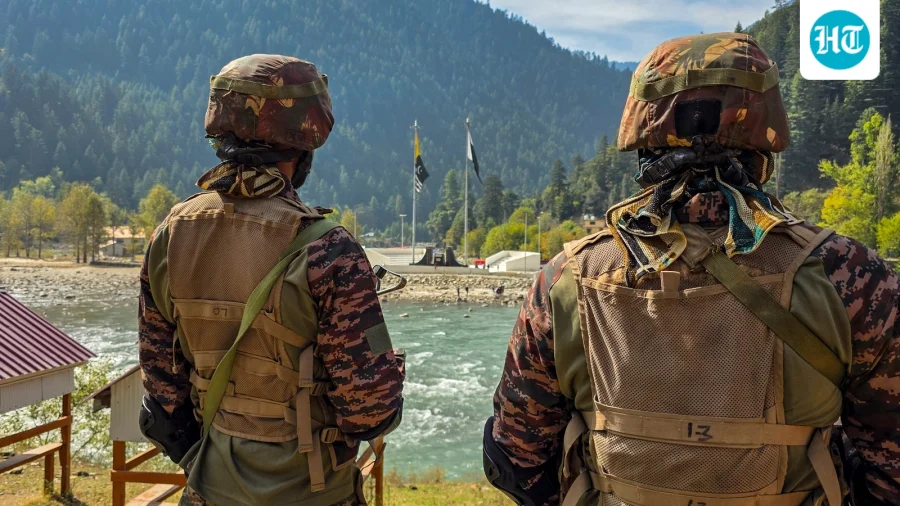
A 31-year-old Pakistani national was apprehended by the Indian Army early this week after he crossed the Line of Control (LoC) in the Balakote sector of Poonch district, officials confirmed. This is the third such incident in the Jammu region this month, raising serious questions about a potential surge in infiltration attempts along the volatile border.
How the Intruder Was Caught in Balakote Sector
Army troops manning forward posts in the Balakote sector observed suspicious movement near the LoC fence. The individual, later identified as a Pakistani national, was intercepted and taken into custody without any exchange of fire. Officials said he was carrying minimal belongings and appeared to be attempting to cross undetected.
Why This Third Incident in a Month Matters
The frequency of infiltration attempts in Poonch has alarmed security agencies. Two similar incidents were reported earlier in January, with one intruder killed and another apprehended. The pattern suggests either a coordinated push from across the border or a breakdown in deterrence. For residents living near the LoC, these events fuel anxiety about renewed cross-border tensions.
Timeline of Infiltration Attempts in Poonch This Month
On January 10, Army troops foiled an infiltration bid in the Shahpur sector, neutralizing one intruder. A second attempt was reported on January 18 in the Mendhar sector, where a Pakistani national was caught. The latest incident in Balakote on January 27 marks the third. All three sectors lie within the Poonch district, a traditional infiltration route.
Who Is Affected by These LoC Breaches
For the 500,000-plus residents of Poonch district, each infiltration attempt disrupts daily life. Schools near the border are often closed temporarily, farming activities near the fence are halted, and psychological stress mounts. The Army’s quick response has prevented casualties, but the recurring attempts keep the region on edge.
Army and Security Forces Respond
Officials from the Indian Army’s Jammu-based White Knight Corps confirmed the apprehension. “The intruder is being interrogated to determine his intentions, route, and any external support,” a defence spokesperson said. Security forces have been placed on high alert along the entire LoC in the Jammu region, with patrols intensified.
What This Pattern of Infiltration Means
Security analysts point out that infiltration attempts often spike during winter months when heavy snow covers mountain passes, forcing infiltrators to use lower-altitude routes like those in Poonch. The three incidents in January could indicate a tactical shift by militant groups or state-sponsored actors to test Indian defences. However, without confirmation of the intruder’s links, speculation remains premature.
Confirmed Facts vs What Remains Unclear
Confirmed: A 31-year-old Pakistani national was caught in Balakote sector. This is the third infiltration attempt in Poonch this month. The intruder is in Army custody. Unclear: Whether the intruder was a civilian or a trained militant. His exact motives and any connections to militant networks. Whether the three incidents are linked or coincidental. All speculation about a “pattern” or “surge” is based on reported frequency, not official confirmation of coordination.
Risks and Balanced View on Border Security
While the Army’s quick response is commendable, the repeated attempts expose gaps in surveillance along certain stretches of the LoC. Critics argue that the fencing and technical surveillance systems need upgrading. On the other hand, officials maintain that the capture rate remains high, and no intruder has successfully evaded detection. The situation demands a balanced assessment: vigilance is working, but the frequency of attempts is worrying.
Wider Trend: Infiltration Routes Shifting to Jammu Region
Historically, infiltration attempts were concentrated in the Kashmir Valley. In recent years, security forces have noted a shift towards the Jammu region, particularly Poonch and Rajouri. The dense forests and rugged terrain of these districts provide cover, making detection harder. This trend aligns with intelligence assessments that militant groups are seeking new routes to bypass heightened surveillance in the Valley.
What Residents Near the LoC Should Know
For villagers living close to the LoC, the Army advises staying indoors during night patrols and reporting any suspicious activity immediately. Farmers working near the fence should coordinate with local Army units. Schools in border areas have been asked to maintain emergency protocols. The Army conducts regular community awareness programmes to help civilians stay safe.
What Could Happen Next Along the Poonch LoC
The interrogation of the apprehended intruder will be crucial. If he reveals links to militant groups or state agencies, it could lead to a diplomatic protest or a change in operational tactics. Security forces are likely to deploy additional surveillance drones and increase patrolling in vulnerable sectors. A fourth attempt in the same month cannot be ruled out, and the Army is preparing for that possibility.
Our Take
Three infiltration attempts in Poonch in a single month is not a coincidence — it is a signal. Whether it signals a desperate push by militant groups facing pressure in the Valley or a calculated probe of Indian defences remains to be seen. The Army’s response has been effective, but the frequency demands a strategic review. For the people of Poonch, the message is clear: the border remains volatile, and vigilance is the only constant.
Frequently Asked Questions
What happened in the Balakote sector of Poonch?
Indian Army troops apprehended a 31-year-old Pakistani national after he crossed the Line of Control in the Balakote sector. He was taken into custody without any exchange of fire.
Is this the only infiltration attempt in Poonch this month?
No, this is the third such incident in Poonch district in January 2026. Two earlier attempts occurred in the Shahpur and Mendhar sectors, with one intruder killed and another caught.
Why is the Poonch sector seeing more infiltration attempts?
Security analysts believe the shift is due to increased surveillance in the Kashmir Valley, forcing infiltrators to use the dense forests and lower-altitude routes in the Jammu region, especially during winter.
What happens to the apprehended intruder now?
The intruder is in Army custody and is being interrogated to determine his motives, route, and any links to militant networks. Further legal action will follow based on the findings.