Summary
Israeli Prime Minister Benjamin Netanyahu recently confirmed that his country was solely responsible for a military strike on an Iranian gas field. During a press conference, the leader emphasized that Israel acted on its own without help from any other nation. He also revealed that U.S. President Donald Trump has specifically asked Israel to stop carrying out these types of attacks on energy infrastructure. This development highlights a growing tension between Israel's military goals and the United States' desire for regional and economic stability.
Main Impact
The decision to target a major energy site in Iran has sent ripples through the global community. By stating that Israel "acted alone," Netanyahu is sending a clear message that his government will take independent action to protect its interests, even if it does not have the direct backing of its closest ally. However, the request from the Trump administration shows that the U.S. is deeply concerned about the side effects of such strikes. Attacks on gas and oil fields often lead to higher energy prices worldwide and increase the risk of a much larger war that could involve many more countries.
Key Details
What Happened
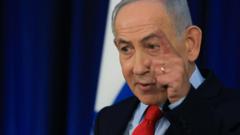
The event came to light during a formal news conference where Prime Minister Netanyahu addressed recent military operations. He confirmed that the strike on the Iranian gas field was a planned mission carried out by Israeli forces. The Prime Minister used the opportunity to clarify that there was no foreign involvement in the mission. This was likely a response to international rumors suggesting that the U.S. or other regional partners might have provided intelligence or tactical support for the operation.
Important Numbers and Facts
While the exact amount of damage to the gas field has not been fully released, energy experts believe the strike could cost Iran millions of dollars in lost revenue. The timing of the attack is also significant, occurring during a period of high tension in the Middle East. Netanyahu noted that President Trump’s request was very specific. The U.S. leader did not ask for an end to all military actions, but he did ask for a halt to strikes that target energy production sites. This suggests that the U.S. is prioritizing the stability of the global fuel market.
Background and Context
Israel and Iran have been in a state of conflict for many years. Usually, this conflict involves cyberattacks, small-scale sabotage, or battles between Israel and groups supported by Iran. Moving the fight to major economic targets like gas fields is a major change in strategy. These sites are vital for Iran because they provide the money needed to run the country and fund its military. For Israel, hitting these targets is a way to weaken Iran without a full-scale ground war. For the rest of the world, however, these attacks are risky because they can cause gas prices to spike, hurting families and businesses far away from the conflict.
Public or Industry Reaction
The reaction to Netanyahu's statement has been mixed. Within Israel, many people support the idea of taking a strong stand against Iran. They see the "acting alone" comment as a point of national pride and a sign of military strength. On the other hand, some political experts worry that ignoring the wishes of the U.S. President could damage the relationship between the two countries. In the United States, the focus is largely on the economy. The Trump administration has made it clear that keeping energy costs low is a top priority. If Israel continues to hit these targets, it could lead to a public disagreement between Netanyahu and Trump, which would be a major shift in international politics.
What This Means Going Forward
The next few weeks will be critical for the relationship between Israel and the United States. Netanyahu must decide if he will honor President Trump's request or continue with his current military strategy. If Israel stops attacking energy sites, it might show that the U.S. still has a strong influence over Israeli decisions. If the attacks continue, it could signal a new era where Israel acts more independently of Washington. Meanwhile, Iran is likely to look for ways to protect its remaining energy sites, which could lead to more defenses or even counter-attacks, keeping the entire region on high alert.
Final Take
Israel has demonstrated that it has the power to strike deep into Iranian territory without outside help. While this shows military success, the political pressure from the United States adds a new layer of difficulty. The balance between national security and keeping global allies happy is harder than ever to maintain. As energy prices remain a sensitive issue for the world, the focus will stay on whether military goals or economic stability will win out in the end.
Frequently Asked Questions
Why did Israel attack the Iranian gas field?
Israel targeted the gas field to weaken Iran's economy and reduce the funds available for its military operations. These sites are considered high-value targets because they are essential to Iran's financial health.
Did the United States help with the attack?
No. Prime Minister Netanyahu explicitly stated that Israel acted alone in this operation. This means they planned and carried out the strike without direct help or participation from the U.S. military.
Why does President Trump want the attacks to stop?
The U.S. government is concerned that hitting energy infrastructure will cause global gas prices to rise. There is also a fear that these specific types of attacks could lead to a wider regional war that would be difficult to control.