When Shrishti was hit by a vehicle days before her NEET UG re-examination, her dream of becoming a doctor seemed to hang by a thread. With multiple rib fractures and severe pain, the odds were stacked against her. But her determination — and the National Testing Agency's swift response — turned a potential tragedy into a story of resilience and institutional empathy.
How NTA responded to a father's desperate plea
Shrishti's father approached the NTA with a simple yet urgent request: allow his daughter to take the examination with a seating arrangement on the ground floor, with a chair and table. The agency did not just agree — it went further. A separate room was arranged, medical support staff was stationed, and a standby ambulance was kept ready at the examination centre.
Why this matters beyond one student's story
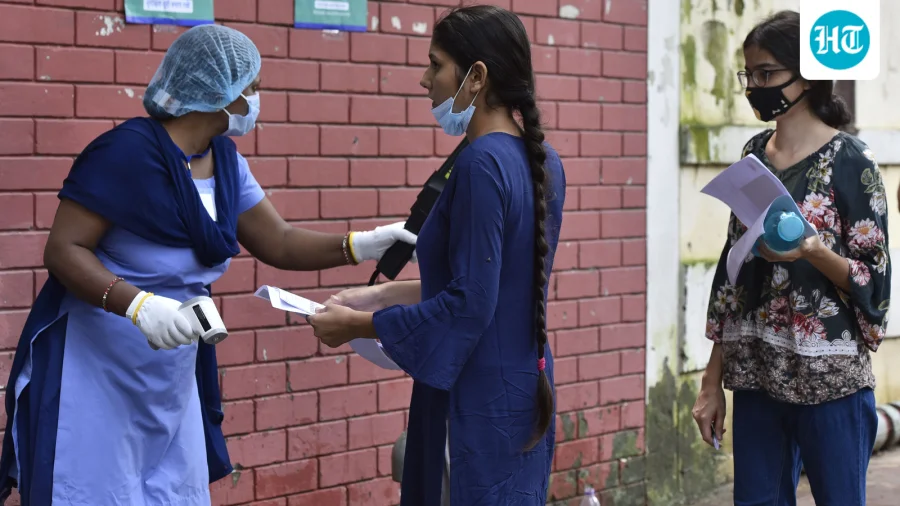
For lakhs of NEET aspirants across India, the examination is a high-stakes gateway to medical education. Any disruption — injury, illness, or accident — can derail years of preparation. The NTA's decision to accommodate Shrishti's needs sets a precedent: that institutional flexibility can coexist with examination rigour. It also reassures students and parents that genuine medical emergencies will not be ignored.
The accident and the race against time
Shrishti was injured in a road accident just days before the NEET UG re-examination. She suffered multiple rib fractures, making it extremely painful to sit for long periods or travel. Her family feared she would miss the exam entirely. The father's request to the NTA was a last-ditch effort to salvage her dream.
What the special arrangement looked like
The NTA provided a separate room on the ground floor, eliminating the need for Shrishti to climb stairs. A chair and table were arranged for her comfort. Medical support staff remained on standby throughout the examination, and an ambulance was stationed outside the centre in case of any emergency.
Education Minister takes note
Union Education Minister Dharmendra Pradhan personally reached out to Shrishti's family, acknowledging their determination and the NTA's support. His intervention underscored the government's attention to individual cases of hardship during high-stakes examinations.
What this says about examination administration in India
The incident highlights a growing awareness within testing agencies about the need for inclusive arrangements. While the NTA has faced criticism over logistical issues in the past, this case demonstrates that when approached with genuine need, the system can respond with compassion and efficiency.
Confirmed facts vs what remains unclear
Confirmed: Shrishti suffered multiple rib fractures in a road accident. The NTA arranged a separate room, medical staff, and a standby ambulance. She successfully wrote the exam. Unclear: The exact date of the accident, the specific location of the exam centre, and whether similar accommodations were offered to other injured candidates.
Risks and balanced view
While the NTA's response is commendable, questions remain about whether such accommodations are consistently available to all candidates with medical emergencies. Critics may argue that ad-hoc arrangements, while helpful, do not replace a formal policy for medical accommodations during national exams.
Wider trend: Institutions stepping up for students in crisis
This is not an isolated incident. In recent years, examination boards and universities have increasingly made special arrangements for students facing medical emergencies, accidents, or family tragedies. The trend reflects a broader shift toward student-centric administration in India's education system.
What students and parents should know
If you or someone you know faces a medical emergency before a major exam, approach the testing agency immediately with supporting medical documents. Most agencies have provisions for special arrangements, though they may not be widely advertised. Early communication is key.
What happens next for Shrishti
Shrishti will now await her NEET UG results like every other candidate. Her medical recovery will continue alongside her academic journey. The experience, while traumatic, has also demonstrated her resilience — a quality essential for any future doctor.
Our Take
This story is not just about one student's determination. It is about what happens when a bureaucratic system chooses to be humane. The NTA could have cited rules and denied the request. Instead, it chose flexibility. In a country where examination stress often makes headlines for the wrong reasons, this is a reminder that empathy and efficiency can coexist. Shrishti's courage, her father's persistence, and the NTA's responsiveness together form a template for how institutions should treat students in crisis.
Frequently Asked Questions
What special arrangements did NTA make for the injured NEET aspirant?
NTA arranged a separate room on the ground floor with a chair and table, stationed medical support staff, and kept a standby ambulance at the examination centre for the aspirant who had multiple rib fractures from a road accident.
How did the family request the special arrangement?
The father approached NTA requesting a seating arrangement on the ground floor with a chair and table, as his daughter could not climb stairs or sit in standard exam hall conditions due to her injuries.
Did the Education Minister respond to this case?
Yes, Union Education Minister Dharmendra Pradhan reached out to Shrishti's family, acknowledging their determination and the NTA's support in facilitating the special arrangement.
Can other students with medical emergencies get similar accommodations?
While NTA has made such arrangements in individual cases, there is no publicly advertised formal policy. Students facing medical emergencies should contact the testing agency with supporting medical documents as early as possible.