

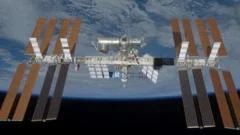
Five astronauts aboard the International Space Station were ordered by NASA to shelter in their spacecraft this week as Russian cosmonauts attempted to repair an air leak in a tunnel area of the orbiting laboratory. The precautionary measure, a standard "safe haven" procedure, was triggered to protect the crew in case the repair work caused a sudden loss of cabin pressure.
Why the shelter order was issued
The shelter order was not a response to an immediate emergency, but a proactive safety step. NASA's protocol dictates that when a repair involves a potential breach of the station's hull, non-essential crew members move to their docked spacecraft — in this case, a SpaceX Crew Dragon and a Russian Soyuz — ready to undock if necessary. The repair focused on a tunnel section of the Russian segment, where a small, persistent leak has been a known issue for months.
How the repair attempt unfolded
Russian cosmonauts, trained for such procedures, worked to seal the leak using specialized patches and sealants. The operation required careful coordination with ground teams in Houston and Moscow. NASA officials stated that the decision to shelter the other astronauts was made out of an abundance of caution, a standard practice for any repair that could affect the station's integrity.
What the shelter order meant for the crew
For the five astronauts — including NASA, European, and Japanese space agency members — the shelter order meant moving to their spacecraft, closing the hatches, and remaining in a state of readiness. This is a physically and mentally demanding situation, as astronauts must be prepared for a potential emergency evacuation at any moment. The procedure is regularly drilled, but actual execution is rare.
NASA and Roscosmos response
NASA confirmed the shelter order in a brief statement, emphasizing that the crew was safe and the situation was under control. "Repairs are under way," a NASA spokesperson said, "and the crew has been directed to take shelter as a precaution." Roscosmos, the Russian space agency, has not publicly detailed the exact nature of the leak or the repair method, but has previously acknowledged a "micro-crack" in the Zvezda module's tunnel area.
Analysis: A rare but practiced procedure
While the shelter order sounds alarming, it is a well-rehearsed contingency. The ISS has experienced small air leaks before, most notably in 2018 and 2020, both traced to the Russian segment. Each time, the crew took shelter as a precaution. The fact that the order was lifted and astronauts resumed normal duties suggests the repair was successful or the risk was contained. However, the persistence of leaks in the aging Russian module raises questions about the long-term structural health of that section.
Confirmed Facts vs What Remains Unclear
Confirmed: NASA ordered five astronauts to shelter in their spacecraft. The order was a precaution during a Russian repair attempt on an air leak in a tunnel area. The shelter order has been lifted. Unclear: The exact cause of the leak. Whether the repair was fully successful. The long-term plan for the affected module. NASA and Roscosmos have not provided detailed post-repair assessments.
Risks and Balanced View
While the shelter order was precautionary, it highlights the inherent risks of operating a 25-year-old space station. The Russian segment, in particular, has experienced multiple air leaks and technical issues. Critics argue that the ISS is showing its age and that reliance on aging hardware increases the risk of a catastrophic failure. Supporters counter that the station's safety systems and protocols are robust, and that such procedures are designed to handle exactly these scenarios. The incident also underscores the continued, albeit sometimes strained, cooperation between NASA and Roscosmos.
Wider Trend: The aging ISS and its future
The ISS, launched in 1998, is well beyond its original design life. NASA has been planning for its deorbit by 2031, with commercial space stations expected to take over. However, until then, the station must be maintained. This incident is a reminder that as the station ages, such repair operations and safety procedures will likely become more frequent. It also reinforces the need for robust international cooperation in space, even as geopolitical tensions on Earth fluctuate.
Practical Guidance for Space Enthusiasts
For those following the story, it's important to understand that shelter orders are a standard, non-alarming procedure. They are not evacuations, but readiness measures. The best sources for updates are NASA's official blog and social media channels, as well as reputable space news outlets. Avoid unverified claims on social media, which often exaggerate the severity of such events.
Future Outlook
NASA and Roscosmos will continue to monitor the repaired area for any signs of further leakage. If the leak persists, a more extensive repair or even a permanent seal of the tunnel section may be considered. The incident may also accelerate discussions about the timeline for the ISS's retirement and the transition to newer platforms. For now, the crew is safe, and the station continues to operate normally.
Our Take
This incident is a textbook example of how space agencies manage risk. The shelter order was not a sign of panic, but of disciplined protocol. It shows that even routine maintenance on a aging station requires careful planning and precaution. The real story here is not the leak itself, but the system that kept the crew safe. As the ISS enters its final years, such stories will become more common — and each one is a testament to the engineering and teamwork that keeps humans alive in space.
Frequently Asked Questions
Why did NASA order astronauts to shelter?
NASA ordered the shelter as a precautionary measure while Russian cosmonauts repaired an air leak in a tunnel area. The procedure ensures the crew can quickly evacuate if the repair causes a sudden depressurization.
Was the ISS in immediate danger?
No. The shelter order was a standard safety protocol, not a response to an immediate emergency. The leak was small and known, and the repair was a planned operation.
How long did the shelter order last?
The shelter order was lifted after the repair attempt was completed or the risk was assessed as manageable. Astronauts have since resumed normal duties.
Is the air leak fixed?
NASA and Roscosmos have not confirmed if the repair was fully successful. The area will be monitored for any further leakage. The cause of the leak remains under investigation.