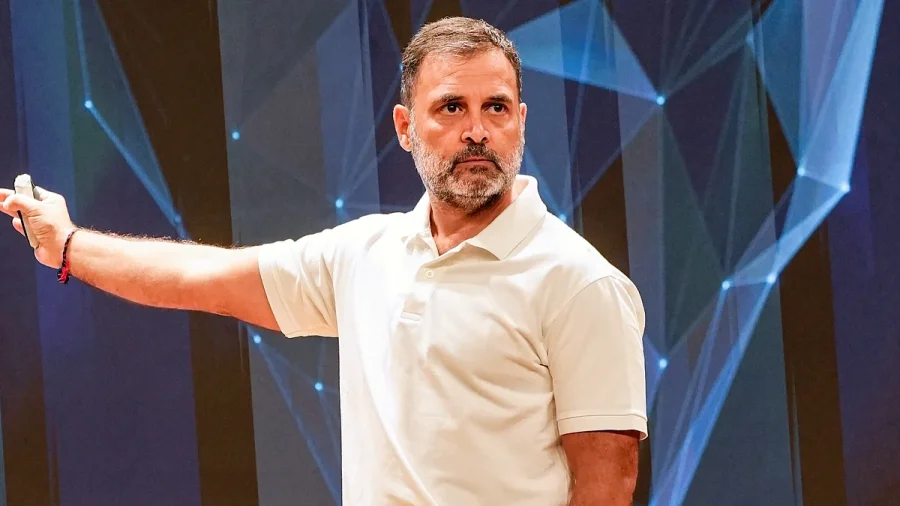
The numbers are stark. Zero versus 129. And they have just ignited a political firestorm that threatens to overshadow an international visit.
As a routine question from a Norwegian journalist to Prime Minister Narendra Modi in Oslo spiraled into a heated political flashpoint, the Congress party on Tuesday delivered a calculated counterpunch — releasing a detailed scorecard of press conferences held by Rahul Gandhi versus those held by the Prime Minister.
The data, shared on X, reveals that between 2014 and 2026, the Leader of Opposition in Lok Sabha has addressed 129 press conferences. PM Modi, the Congress claims, has not held a single full-fledged press conference in his 12 years in office.
The contrast is not just numerical. It is deeply political — and it has struck a nerve.
Why This Matters Right Now
This is not just about numbers on a spreadsheet. This is about accountability, transparency, and the very nature of democratic engagement in India's highest office.
The timing is critical. The Norway row — triggered by a journalist's question that the Congress claims PM Modi avoided — has opened a fresh front in the ongoing battle over media accessibility. For the opposition, this is a powerful narrative: a Prime Minister who speaks to the nation through rallies and social media, but rarely faces unfiltered questions from the press.
For millions of Indians who consume news daily, the question is simple: Should the country's highest elected official regularly face the press? The Congress believes the answer is yes — and they have the data to prove their point.
How the Press Conference Scorecard Unfolded
The Congress party's attack was meticulously planned. Sharing the numbers on X, the party highlighted that Rahul Gandhi significantly ramped up his media engagement during the Bharat Jodo Yatra — the massive cross-country march that captured national attention.
According to the data released by the Congress:
- In 2022, Gandhi addressed 11 press conferences, including nine during the Bharat Jodo Yatra.
- In 2023, he held 20 interactions, five of them during the march.
- In 2024, he followed this with 20 press conferences.
- In 2025, he held seven press conferences.
The total: 129 press conferences since 2014. The Congress claims PM Modi's tally: zero.
The data was released as part of a broader attack on the Prime Minister's media strategy, with the party arguing that the Norway incident was not an isolated event but part of a pattern.
Who Is Affected and What Officials Are Saying
The immediate impact is political. The Congress attack has dominated news cycles, forcing the ruling BJP to respond. While the BJP has dismissed the comparison as "political gimmickry," the numbers have sparked a wider debate about media accessibility at the highest levels of government.
For journalists and media organizations, the issue is professional. Press conferences are a cornerstone of democratic accountability. The absence of regular press interactions by the Prime Minister has been a recurring criticism from media watchdogs and opposition parties alike.
For the average citizen, the implications are about transparency. When a leader avoids the press, the argument goes, they avoid scrutiny. And when they avoid scrutiny, the public loses a vital check on power.
What We Know So Far — and What Remains Unclear
What we know:
- The Congress has released specific numbers: Rahul Gandhi has held 129 press conferences since 2014.
- The party claims PM Modi has held zero full-fledged press conferences in 12 years.
- The data was released in direct response to the Norway row, where a journalist's question to PM Modi became a political flashpoint.
What remains unclear:
- The exact definition of a "full-fledged press conference" used by the Congress. PM Modi has participated in joint press conferences with foreign leaders and has given interviews, but the Congress argues these do not count as independent press interactions.
- Whether the BJP will release its own counter-data or challenge the Congress numbers.
- The long-term political impact of this narrative on the 2026 election cycle.
Risks, Concerns, and the Balanced View
While the Congress attack is politically potent, it is not without risks.
Critics argue:
- PM Modi engages with the media through other formats — interviews, social media interactions, and press releases. The absence of traditional press conferences does not mean an absence of communication.
- The comparison may be seen as selective. Rahul Gandhi, as Leader of Opposition, has a different role and media strategy than the Prime Minister.
- The Norway row itself may be overblown. The journalist's question was routine, and PM Modi's response — or lack thereof — may have been misinterpreted.
Supporters of the Congress argument counter:
- A Prime Minister should face the press regularly, regardless of other communication channels.
- The 129 vs 0 comparison is a powerful symbol of the difference in approach between the two leaders.
- The Norway incident is part of a broader pattern of media avoidance that undermines democratic accountability.
The truth likely lies somewhere in between. But the numbers have undeniably shifted the political conversation.
Why Similar Concerns About Media Accessibility Are Growing
The Congress attack taps into a broader global trend. Across democracies, concerns about leaders avoiding the press are rising. From the United States to Europe, journalists and citizens are questioning whether traditional press conferences are becoming obsolete — or whether they are being deliberately avoided.
In India, this debate has been simmering for years. PM Modi's media strategy has been a subject of intense discussion, with critics arguing that his reliance on direct communication through social media and rallies bypasses the critical filter of journalistic scrutiny.
The Congress data release is the latest — and most aggressive — attempt to weaponize this concern politically.
"Between 2014 and 2026, Rahul Gandhi has addressed 129 press conferences, while Modi has not held a single full-fledged press conference in his 12 years in office." — Congress party statement on X
What Readers, Users, and Voters Should Know Now
For those following Indian politics, this is a moment to pay attention to. The press conference scorecard is not just a political attack — it is a data point in a larger argument about democratic accountability.
If you are a voter, consider: How important is it to you that the Prime Minister regularly faces the press? Does the absence of press conferences matter if the leader communicates through other channels?
If you are a journalist, this is a story about your profession. The decline of the press conference is a trend that affects how news is gathered and how power is held accountable.
If you are a political observer, watch how the BJP responds. If they release their own data or counter-narrative, the story will evolve. If they ignore it, the Congress will continue to press the advantage.
What Could Happen Next
The immediate future is predictable: more political attacks, more data releases, and more debate. The Congress is likely to continue hammering the "0 vs 129" narrative in the coming weeks.
The BJP may respond by highlighting PM Modi's interviews, foreign press conferences, and social media engagement. They may also question the Congress's definition of a "press conference."
Longer term, this story could influence how both parties approach media engagement in the run-up to the next general election. If the Congress successfully frames media avoidance as a weakness, the BJP may feel pressure to change its strategy.
Our Take: Why This Story Matters Beyond One Incident
This is not just about one journalist's question in Oslo. It is not just about one political attack. This is about a fundamental question of democratic governance: How should a leader communicate with the people they serve?
The numbers released by the Congress are striking. But they are also a symptom of a deeper trend — the erosion of the traditional press conference as a tool of accountability. Whether you agree with the Congress or not, the question they have raised is worth asking: Should the Prime Minister of India face the press more often?
The answer to that question will shape not just the next election, but the future of Indian democracy itself.
FAQs
How many press conferences has Rahul Gandhi held since 2014?
According to data released by the Congress party, Rahul Gandhi has addressed 129 press conferences between 2014 and 2026.
Has PM Modi ever held a full-fledged press conference?
The Congress party claims PM Modi has not held a single full-fledged press conference in his 12 years in office. The Prime Minister has, however, participated in joint press conferences with foreign leaders and given interviews.
What triggered the Congress attack on PM Modi over press conferences?
The attack was triggered by a routine question posed by a Norwegian journalist to PM Modi in Oslo, which the Congress claims the Prime Minister avoided. The incident snowballed into a political flashpoint.
Why is the press conference comparison politically significant?
The comparison taps into a broader debate about media accessibility and democratic accountability. The Congress argues that a leader who avoids the press avoids scrutiny, while supporters of PM Modi say he communicates effectively through other channels.