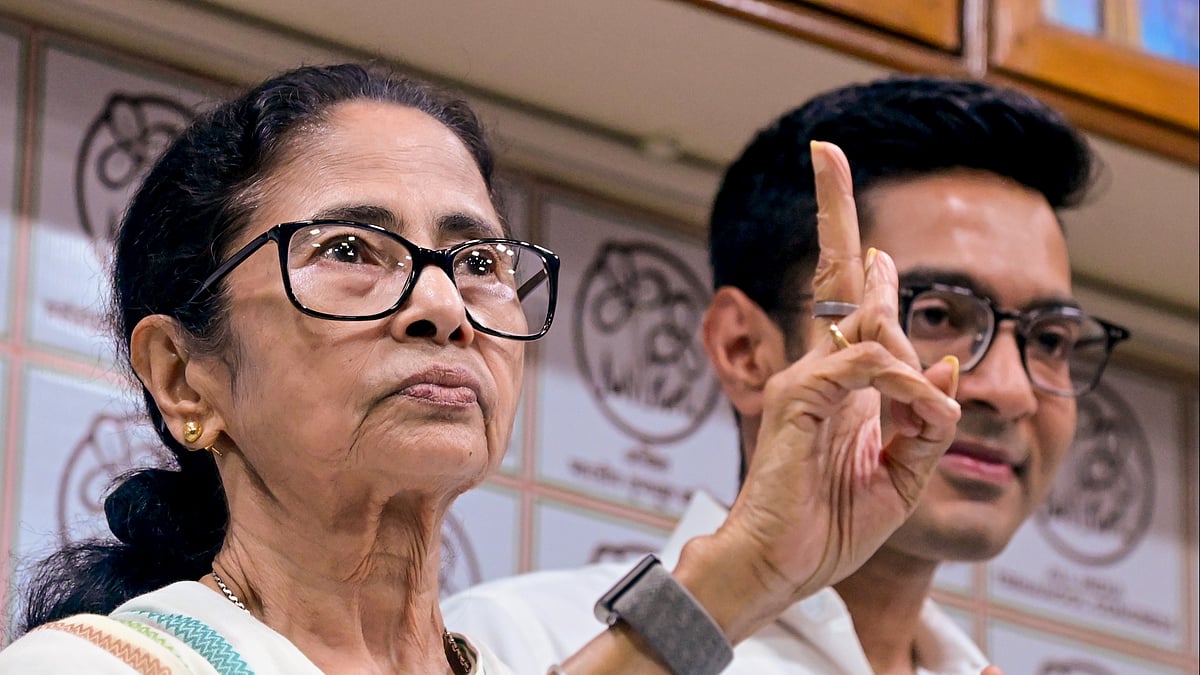
West Bengal Chief Minister Mamata Banerjee resigned from 23 state-held offices on Tuesday to formalize her exit from administrative boards before contesting the upcoming assembly elections from the Bhabanipur constituency. This administrative move clears her schedule and legal standing as she prepares for a high-stakes electoral battle in south Kolkata. The state government has ordered all departments to process these resignations immediately to ensure a smooth transition before the polls begin.
Home Department orders immediate exit from 23 state positions
The West Bengal Home Department issued an official letter on Tuesday regarding the resignations of Mamata Banerjee. This letter directed every state department to take steps to accept her exit from 23 specific roles. The communication stated that the resignations are effective immediately. This means she no longer holds power in those specific committees or boards as of Tuesday.
The home department also told officials to look for any other roles she might hold that were not on the official list. If they find any, they must process her exit from those positions as well. This order ensures that the Chief Minister does not hold any "office of profit" or administrative role that could lead to legal challenges during the election. By doing this, the government is trying to prevent any technical errors in her candidacy papers.
Officials in the state secretariat said the move requires fast work across many different offices. Each department must update its records and remove her name from its leadership lists. This process usually takes time, but the government has ordered it to happen "forthwith." This word means the departments must act without any delay.
The Bhabanipur contest against Suvendu Adhikari
Mamata Banerjee is running for the assembly seat in Bhabanipur, which is a key area in south Kolkata. She faces a tough challenge from Suvendu Adhikari, who is the Leader of the Opposition. This contest is one of the most watched fights in the West Bengal polls. Both leaders are working hard to win over voters in this urban constituency.
In past elections, candidates have faced trouble if they held certain government posts while running for office. By resigning now, Banerjee is following a standard path to avoid these problems. This allows her to focus entirely on her campaign speeches and meetings. She can now tell voters she is fully committed to the election without the distraction of running 23 different boards.
Suvendu Adhikari has been a vocal critic of the Chief Minister. The fight between these two leaders has become the center of the election narrative in the state. This resignation move is a tactical step to ensure that the opposition cannot use her multiple government roles as a point of attack during the campaign.
Impact on the State Health Mission and Wildlife Board
The list of 23 offices includes some of the most important bodies in the state. One major role she left is the head of the State Health Mission. This group makes big decisions about hospitals and health policy in West Bengal. Her exit means the mission will need a new person to lead its meetings and sign off on new health projects.
She also stepped down as the chairperson of the State Wildlife Board and the Ecotourism Advisory Board. These boards manage the state’s forests and the tourism that happens near them. These roles involve protecting animals and planning how visitors can see the state's natural beauty. Without a chairperson, these boards might have to put some long-term plans on hold until after the elections.
Another role she relinquished was the head of the committee for the 125th birth anniversary of Subhas Chandra Bose. This committee was formed to plan events and honors for the famous freedom fighter. Since this is a high-profile cultural role, her exit will likely lead to a new official taking over the planning of these celebrations.
Immediate deadlines for department compliance reports
The state government has set a very tight timeline for these changes. Every department involved must finish the paperwork and submit a report. This report must confirm that they have accepted the resignations and updated their records. The deadline for this report is 4 pm on Wednesday.
This deadline forces officials to work through the night if necessary. The changes are not just on paper; they affect how these departments run. For example, the West Bengal Urdu Academy and the Bangla Sangeet Mela organizing committee now need to update their leadership structures. These groups handle cultural events and language promotion in the state.
- Departments must formalize the acceptance of resignations by Wednesday afternoon.
- Officials must scan all records for any unlisted roles held by the Chief Minister.
- Compliance reports must be sent to the home department to prove the work is done.
- New interim leaders may need to be identified for essential boards.
Uncertainty over interim leadership for state councils
One concern is who will lead the state’s SC and ST advisory councils in the meantime. These councils help the government make laws and rules for Scheduled Castes and Scheduled Tribes. These groups are a large part of the voting population. Her exit from these leadership roles leaves a gap that the state has not yet filled with a permanent name.
The State Industrial Investment Promotion Board is another key group she left. This board talks to businesses and tries to bring new factories and jobs to West Bengal. During an election, big business deals often slow down, but the lack of a chairperson could make that slowdown even more noticeable. The state has not said if an interim head will take over these duties.
The State Disaster Management Authority also lost its chief with this move. This body is responsible for planning how the state reacts to fires, floods, or other emergencies. While the staff at the authority will continue their work, the lack of a top political leader could change how fast the state makes big decisions during a crisis.
Wednesday deadline for formal resignation reports
The official communication from the home department was very clear about the next steps. It directed all departments to act "forthwith" to process the resignations. This means the paperwork must be finished by the end of the business day on Wednesday. The 4 pm deadline is a hard cutoff for all officials involved.
Once these reports are submitted, the Chief Minister will be legally clear of these 23 roles. This is a confirmed step that the government is taking to prepare for the formal start of the election process. The home department will collect all these reports to create a final record of her exit from these offices.
This timeline shows how quickly the state is moving to separate the Chief Minister from her administrative duties. It ensures that by the time she files her final papers for the Bhabanipur seat, there is no confusion about her status. The government expects all departments to meet this deadline without any exceptions.
Key Numbers and Facts
The confirmed figures behind this story at a glance.
Key Fact Detail Main person or organisation Mamata Banerjee, Chief Minister of West Bengal Main action or decision Resignation from 23 state-held offices and boards Date or period Tuesday (Resignation) and Wednesday (Deadline) Location West Bengal State Secretariat, Kolkata Amount, figure, or scale 23 specific positions listed in the official letter Previous status Held leadership roles in health, wildlife, and cultural boards Current status Resignations submitted and being processed by departments Primary effect Removal of administrative roles ahead of election candidacy Next confirmed step Submission of compliance reports by 4 pm Wednesday
Transition from state governance to election campaigning
By leaving 23 offices at once, Mamata Banerjee is making a clear break between her role as a government administrator and her role as a political candidate. This move ensures that her focus stays on the voters in Bhabanipur rather than on the daily files of the state secretariat. It is a procedural step that marks the start of the most intense part of the election cycle.
This mass resignation also protects her from any claims that she is using government resources or positions to help her campaign. In a state where elections are fought with great intensity, even small technical details can become major political issues. By acting now, she removes those risks and prepares for the final stretch of the race.
The speed of this transition shows that the West Bengal government is now moving into election mode. The focus of the Chief Minister has shifted from the halls of power to the streets of Kolkata. This exit from 23 boards is the final administrative act before she enters the full-scale battle for the state's future.
Frequently Asked Questions
Why did Mamata Banerjee resign from 23 posts?
Mamata Banerjee resigned to focus on the upcoming West Bengal assembly elections and to avoid legal issues regarding holding multiple government offices while running for a seat. This move ensures she meets the requirements for candidates and prevents the opposition from challenging her candidacy on technical grounds. It allows her to dedicate her full time to the campaign in Bhabanipur.
Which departments did Mamata Banerjee leave?
She resigned from 23 roles including the State Health Mission, the State Wildlife Board, and the West Bengal Urdu Academy. She also left positions in the State Disaster Management Authority and the SC and ST advisory councils. These roles covered a wide range of areas from health and environment to culture and social welfare.
Who is Mamata Banerjee fighting in the Bhabanipur election?
Mamata Banerjee is facing Suvendu Adhikari, the Leader of the Opposition, in the Bhabanipur constituency. This seat is located in south Kolkata and is considered a high-stakes battleground for both the Trinamool Congress and the BJP. The result of this specific contest will be a major indicator of the overall election outcome in West Bengal.