
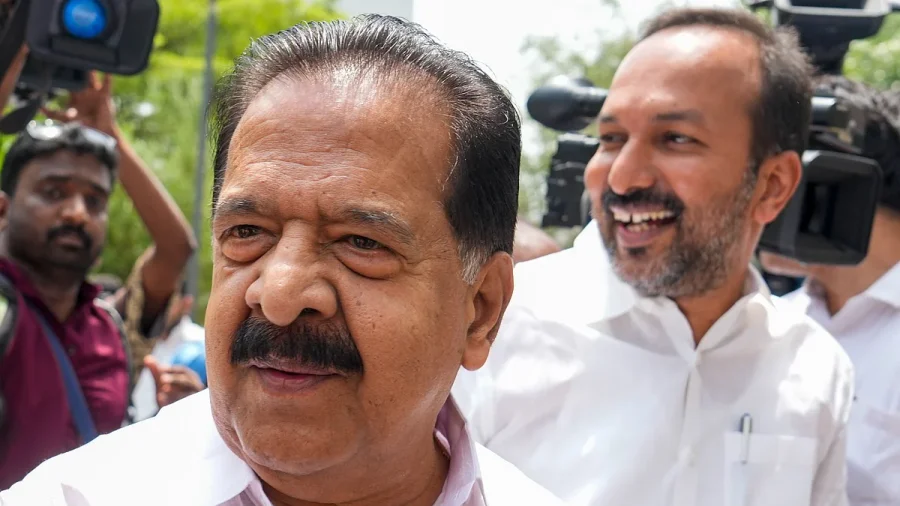
Kerala's fight against drug abuse is entering a new phase — and the government is asking every citizen to join in. Home Minister Ramesh Chennithala on Monday called for greater public participation in Operation Toofan, the state's flagship anti-narcotics campaign, warning that the crisis among young people is deepening.
Operation Toofan shows early results, but crisis deepens
Addressing a public gathering, Chennithala said the campaign was beginning to deliver results, with growing awareness about the dangers of narcotics. But he stressed that the battle was far from over. "Substance abuse is one of the most pressing challenges facing the state, particularly among young people," he said, noting that an increasing number of youths were falling prey to addiction.
Why public participation matters in Kerala's drug fight
The minister's appeal reflects a recognition that law enforcement alone cannot solve the problem. Drug networks often operate within communities, and prevention requires families, schools, neighbourhoods, and local leaders to act as the first line of defence. For parents in Kerala, the message is personal: the campaign's success depends on vigilance at home and in the community.
How Operation Toofan evolved from launch to public call
Operation Toofan was launched with the objective of protecting future generations from the dangers of narcotics. Since its inception, the campaign has involved raids, awareness drives, and school outreach. The latest call for public support marks a strategic shift — from enforcement-focused action to community-led prevention.
Who is most affected by Kerala's drug abuse crisis
Young people, particularly teenagers and young adults, are the most vulnerable. Chennithala's warning about rising addiction rates among youth has resonated across the state, where families are increasingly concerned about the availability of synthetic drugs and the influence of peer pressure. The campaign aims to reach students in schools and colleges, as well as young workers in urban and semi-urban areas.
Ramesh Chennithala's message to Kerala's citizens
"The battle against drugs requires the involvement of society as a whole," Chennithala said, urging citizens to report suspicious activity, support awareness programmes, and help create a culture that rejects substance abuse. The government is also working with local bodies, educational institutions, and voluntary organisations to expand the campaign's reach.
What Operation Toofan means for Kerala's future
The campaign is not just about enforcement — it is about changing social norms. By seeking public support, the government is acknowledging that lasting change requires a shift in attitudes. If successful, Operation Toofan could serve as a model for other states grappling with similar challenges.
Confirmed facts vs what remains unclear about the campaign
Confirmed: Chennithala called for public participation in Operation Toofan; the campaign is showing early results; youth addiction is a growing concern. Unclear: Specific data on drug seizures or arrest numbers; the exact scale of the addiction problem; whether the campaign has measurable targets for public engagement. These details have not been disclosed in the minister's public remarks.
Risks and challenges facing Operation Toofan
Critics point out that anti-drug campaigns often struggle to sustain public interest over time. There are also concerns about the effectiveness of awareness drives without robust rehabilitation services for those already addicted. Some experts argue that the government must also address the root causes of addiction, including unemployment, mental health issues, and social isolation.
Kerala's drug problem in the national context
Kerala is not alone in facing a drug abuse crisis. Across India, states are reporting rising consumption of synthetic drugs, cannabis, and prescription medication among young people. The Narcotics Control Bureau has flagged Kerala as a transit point for drug trafficking, but the state's own consumption patterns are also a growing concern. Operation Toofan is part of a broader national push to combat narcotics, but its community-focused approach is distinctive.
What parents and citizens can do now
For families, the first step is awareness — understanding the signs of drug use, talking openly with children, and creating a supportive environment. Citizens can participate in local awareness drives, report suspicious activity to the police, and volunteer with organisations working on addiction prevention. Schools and colleges can invite campaign officials for workshops and seminars.
What happens next for Operation Toofan
The government is expected to roll out more public engagement initiatives in the coming weeks, including community meetings, school programmes, and social media campaigns. The success of the campaign will depend on whether the call for public participation translates into sustained action at the grassroots level.
Our Take
Operation Toofan's shift towards public participation is a welcome recognition that drug abuse is a societal problem, not just a law enforcement one. But the campaign's long-term impact will depend on whether the government can maintain momentum, provide adequate rehabilitation support, and address the underlying factors driving addiction. For now, the message is clear: Kerala's fight against drugs needs everyone.
Frequently Asked Questions
What is Operation Toofan in Kerala?
Operation Toofan is the Kerala government's anti-narcotics campaign aimed at preventing drug abuse, particularly among young people. It involves enforcement actions, awareness drives, and now a call for public participation.
Why is Kerala seeking public support for its anti-drug campaign?
Home Minister Ramesh Chennithala said that the battle against drugs requires society-wide involvement because drug networks operate within communities, and prevention depends on families, schools, and local leaders acting together.
How can citizens participate in Operation Toofan?
Citizens can report suspicious activity, support awareness programmes, volunteer with local organisations, and help create a culture that rejects substance abuse. The government is also working with schools and local bodies for community outreach.
Is drug abuse increasing among youth in Kerala?
According to Home Minister Ramesh Chennithala, an increasing number of youths are falling prey to addiction, making substance abuse one of the most pressing challenges facing the state. Specific data has not been disclosed in public remarks.