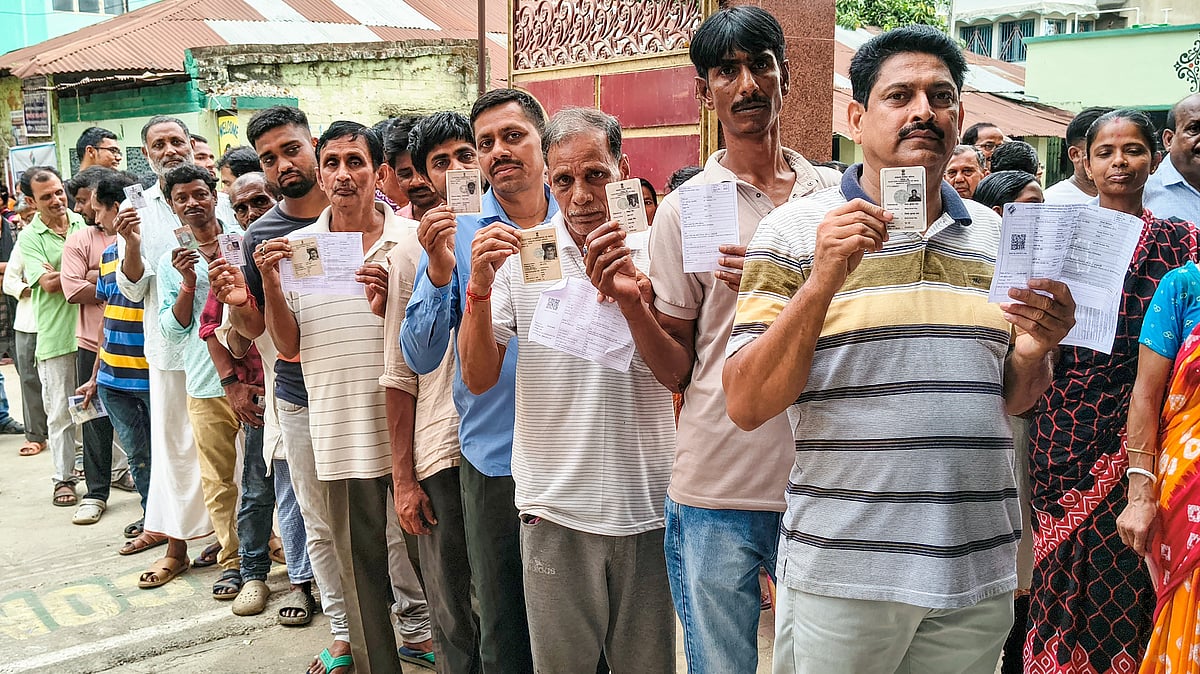

The Jharkhand State Government banned DJ music and weapon displays for upcoming Ram Navami processions to maintain public order and prevent communal tension across the state. This policy limits each procession to 100 participants and mandates strict action against anyone delivering provocative speeches during the religious event.
Jharkhand bans DJ music and weapon displays for Ram Navami
The Jharkhand State Government issued new safety rules to control the scale of Ram Navami celebrations this year. Police Headquarters confirmed that no loud DJ systems will be allowed on the streets during the processions. This rule aims to prevent noise pollution and stop the use of high-volume music that often leads to public disturbances.
Authorities also placed a total ban on the display of weapons at Akhada sites or during the marches. In many traditional celebrations, participants carry swords or sticks, but the new order makes this illegal for the upcoming festival. This change is intended to lower the risk of accidental injuries or physical clashes between different groups.
Police officials stated they will take firm action against anyone who gives a provocative speech. Monitoring teams will watch for words that could hurt religious feelings or incite violence. By removing these triggers, the state hopes to keep the festival focused on its religious meaning rather than public displays of strength.
How the 100-person limit changes traditional Akhada gatherings
Ram Navami in Jharkhand usually involves large crowds that gather at local Akhadas, which are traditional clubs for physical training and religious activities. These groups often join together to form massive processions that move through city centers. The new limit of 100 people per group will force these organizations to split their members or reduce their public presence.
In the past, these events have seen thousands of people walking together, making it difficult for police to manage traffic or respond to emergencies. By capping the number of devotees, the government is trying to make the crowds easier to watch and control. This move follows similar safety protocols used during other large public gatherings in the state over the last two years.
Why the state is targeting provocative speeches and noise levels
The decision to monitor speeches comes after previous incidents where heated words led to local disputes. Jharkhand authorities want to ensure that the religious atmosphere remains calm. When speakers use aggressive language, it can quickly change the mood of a large crowd, making it harder for security forces to maintain peace.
The ban on DJ music addresses both safety and health concerns. High-decibel sound systems can cause panic in crowded areas if there is a sudden noise or technical failure. Additionally, loud music often masks the instructions given by police over megaphones, which can be dangerous if a crowd needs to be cleared quickly for an ambulance or fire truck.
Impact on local organizers and the DJ rental industry
Local Akhada committees must now rewrite their plans to comply with the 100-person cap. Many groups had already started preparing for larger displays, and they will now need to tell their members about the new restrictions. This change shifts the responsibility of crowd control onto the organizers themselves.
Small business owners who rent out DJ equipment will face a loss of income during one of their busiest seasons. Many of these vendors rely on religious festivals for a large part of their yearly earnings. With the ban in place, these businesses will have to look for other types of events, such as weddings or private parties, to make up for the lost revenue.
Specific rules for devotees and procession leaders
The government has outlined several ground-level changes that will be enforced by local police stations. These rules apply to every district in Jharkhand to ensure a uniform approach to the festival.
- Each individual procession must not exceed 100 devotees at any point.
- The use of DJ music systems is completely prohibited on all public roads.
- No person is allowed to carry or display weapons, including traditional items, in public.
- Organizers are responsible for ensuring no provocative slogans are used by their members.
Enforcement challenges for local police departments
One concern for the administration is how to count participants in a moving crowd. In busy market areas, it can be hard to tell who is part of a procession and who is just a bystander. Police will need to use drone cameras or high-vantage points to get an accurate view of the group sizes.
There is also uncertainty about how traditional groups will react to the ban on ceremonial weapons. Some Akhadas view these items as an essential part of their history. If groups refuse to leave their traditional gear behind, it could lead to legal friction and arrests on the day of the festival.
Key Numbers and Facts
The confirmed figures behind this story at a glance.
Key Fact Detail Main organisation Jharkhand State Government Main action or decision Ban on DJs and weapon displays Date or period Upcoming Ram Navami festival Location All districts of Jharkhand Maximum crowd size 100 people per procession Previous status Larger crowds and loud music allowed Current status Strict guidelines issued Primary effect Smaller, quieter religious gatherings Next confirmed step Police monitoring of Akhada sites
Balancing religious tradition with public safety requirements
The new guidelines show a clear shift toward prioritizing safety over large-scale traditional displays. By removing the loudest and most aggressive elements of the celebration, the state is attempting to create a more controlled environment. This approach suggests that future festivals in the region may also see similar restrictions to prevent any risk to the general public.
The success of these rules depends entirely on the cooperation between local leaders and the police. If both sides work together, the festival can proceed without the noise and tension that have marked previous years. The final result will be a test of how well the state can manage large religious events in a modern urban setting.
Frequently Asked Questions
Is DJ music allowed in Ram Navami processions in Jharkhand?
No, the Jharkhand State Government has placed a total ban on DJ music for all Ram Navami processions. This rule applies to all public roads and gathering spots to prevent noise pollution and public disturbance. Police will monitor the routes to ensure no high-volume sound systems are used.
How many people can join a Ram Navami procession in Jharkhand?
Each procession is limited to a maximum of 100 devotees. This cap is intended to make crowd management easier for local authorities and to ensure public safety. Organizers are responsible for making sure their groups do not exceed this number.
What happens if someone carries a weapon in the procession?
The government has banned the display of all weapons at Akhada sites and during processions. Anyone found carrying or showing off a weapon will face strict legal action from the police. These measures are in place to prevent accidents and maintain a peaceful atmosphere during the festival.