

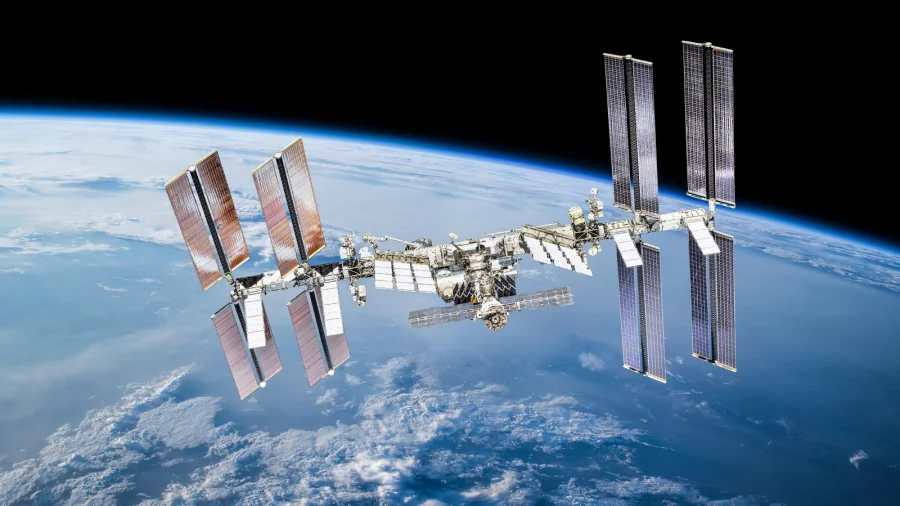
Imagine being hundreds of miles above Earth, inside a sealed laboratory, when a sudden air leak forces you to scramble into a lifeboat. That was the reality for four astronauts aboard the International Space Station this week, as NASA ordered them to take shelter in the SpaceX Dragon crew capsule docked to the orbital outpost.
What Triggered the Shelter-in-Place Order?
NASA directed all three American astronauts and one French astronaut aboard the ISS to "assume an elevated safety posture" by moving into the SpaceX Dragon capsule, according to reports. The order came after an air leak was detected, prompting immediate concern for the crew’s safety in the vacuum of space.
Why the SpaceX Dragon Capsule Was the Safe Haven
The Dragon capsule, built by Elon Musk’s SpaceX, serves as a primary emergency escape vehicle for the ISS. In the event of a critical failure—like a depressurization event—astronauts can quickly undock and return to Earth. This protocol is standard NASA procedure, but it’s rarely activated, making this incident notable.
How the Situation Unfolded
Details remain sparse, but the leak was identified during routine monitoring. NASA’s response was swift: the crew moved into the Dragon capsule, where they could be protected from potential depressurization. Engineers on the ground began analyzing telemetry to pinpoint the leak’s location and cause.
What This Means for the Crew’s Safety
For the astronauts—including NASA’s Raja Chari, Kayla Barron, and Tom Marshburn, along with ESA’s Matthias Maurer—the experience was likely tense but manageable. The ISS is designed with multiple redundancies, and the Dragon capsule provides a secure refuge. However, any leak in space raises questions about long-term station integrity.
NASA’s Official Response and Next Steps
NASA has not released a detailed statement on the leak’s origin, but officials confirmed the crew has returned to normal operations. The agency is now investigating whether the leak was caused by micrometeoroid debris, a faulty seal, or another technical issue. A full review is expected in the coming days.
What Experts Are Saying About the Incident
Space safety analysts note that air leaks, while rare, are a known risk on the ISS. "The station has experienced small leaks before, but any event requiring shelter-in-place is taken seriously," said one former NASA engineer. The quick use of the Dragon capsule underscores the importance of having multiple escape options.
Confirmed Facts vs What Remains Unclear
Confirmed: NASA ordered astronauts to shelter in the SpaceX Dragon capsule due to an air leak. The crew is safe and has resumed normal duties. Unclear: The exact source of the leak, its severity, and whether it poses a long-term risk to the ISS. Speculation about micrometeoroid impacts or equipment failure remains unconfirmed.
Why SpaceX’s Dragon Capsule Is a Critical Asset
The Dragon capsule’s role in this incident highlights SpaceX’s growing importance in NASA’s human spaceflight program. Unlike the older Soyuz capsule, Dragon offers advanced autonomy and rapid return capabilities. Its presence on the ISS provides a reliable backup, especially as the station ages and faces more wear.
Risks and Balanced View
While the shelter-in-place order was precautionary, it raises concerns about the ISS’s aging infrastructure. The station has been in orbit for over two decades, and leaks could become more frequent. Critics argue that NASA must prioritize upgrades or accelerate plans for commercial successors. However, supporters note that the quick response shows the system works.
A Wider Pattern of Space Station Challenges
This incident fits a broader trend of the ISS facing technical issues, from coolant leaks to cracks in modules. As the station nears its planned retirement in 2030, each event underscores the need for robust safety protocols and next-generation orbital platforms.
What Astronauts and Space Agencies Should Do Now
For current ISS crews, this is a reminder to stay vigilant and practice emergency drills. For NASA and its partners, the focus should be on investigating the leak thoroughly and reinforcing station seals. For the public, it’s a moment to appreciate the risks astronauts take daily.
What Happens Next
NASA will likely release a detailed report on the leak within weeks. If the cause is identified as a micrometeoroid impact, it could prompt changes to debris shielding. If it’s a technical fault, repairs may be scheduled during upcoming spacewalks. The crew remains safe, and the mission continues.
Our Take
This incident is a stark reminder that space travel, even after decades of experience, remains inherently dangerous. The fact that astronauts could quickly shelter in a Dragon capsule is a testament to modern engineering, but it also highlights the fragility of life in orbit. As the ISS ages, every leak, every anomaly, becomes a test of our preparedness. The real story here isn’t just the leak—it’s how we respond to the unexpected in the most unforgiving environment.
Frequently Asked Questions
Why did astronauts have to shelter in the SpaceX Dragon capsule?
NASA ordered the shelter-in-place after detecting an air leak on the ISS. The Dragon capsule serves as a safe refuge in case of depressurization, allowing astronauts to evacuate if needed.
Is the International Space Station safe after the air leak?
Yes, the crew has returned to normal operations, and no injuries were reported. NASA is investigating the leak’s cause to ensure long-term safety.
What causes air leaks on the ISS?
Air leaks can result from micrometeoroid impacts, faulty seals, or equipment wear. The ISS has experienced small leaks before, but each is taken seriously.
Could the astronauts have returned to Earth during the leak?
Yes, the Dragon capsule is capable of undocking and returning to Earth quickly. However, the shelter-in-place order was precautionary, and evacuation was not necessary.