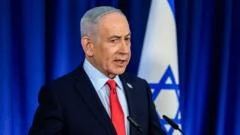
Benjamin Netanyahu is staring at one of the most dangerous political moments of his career. A ceasefire deal between the United States and Iran, pushed by Donald Trump, is nearing completion — and it threatens to unravel everything the Israeli prime minister has built his security policy on.
Trump’s Iran Deal: What Changed and Why It Matters for Israel
Vice President JD Vance confirmed that the Trump administration could release a US-Iran agreement before Friday. The deal, details of which remain sparse, reportedly includes a ceasefire framework that would de-escalate tensions between Washington and Tehran.
For Netanyahu, this is a nightmare scenario. He has spent years warning the international community that any deal with Iran is a strategic mistake. He opposed the 2015 JCPOA, celebrated Trump’s 2018 withdrawal from it, and has consistently argued that only maximum pressure — not diplomacy — can contain Iran.
Why This Deal Traps Netanyahu in a No-Win Position
The Israeli PM now faces an impossible choice. If he publicly opposes the Trump-brokered deal, he risks alienating his most powerful international ally at a time when Israel needs US support more than ever. If he accepts it, he betrays his own security doctrine and hands his political opponents a weapon.
“The options facing Israeli PM Benjamin Netanyahu now are not good,” the BBC has reported, capturing the essence of his dilemma. His coalition government, already fragile, could fracture under the pressure.
How We Got Here: From Maximum Pressure to Ceasefire
Trump’s approach to Iran has been anything but predictable. After withdrawing from the Obama-era nuclear deal in 2018, he imposed crippling sanctions. Iran’s economy is in ruins, with no air defense and a weakened navy. But the strategy of regime change never materialized.
Now, with a ceasefire on the table, the calculus has shifted. For Netanyahu, who aligned himself with hardliners to keep his seat, the deal represents a fundamental betrayal of the policy he championed.
Who Is Affected: Israelis, Iranians, and the Region
For ordinary Israelis, the deal raises immediate security questions. Will Iran use the ceasefire to rebuild its military capabilities? Will its proxies in Lebanon, Syria, and Gaza see this as a green light for escalation?
For Iranians, the deal offers a potential lifeline for an economy battered by sanctions. But the absence of regime change — a key demand of Netanyahu’s allies — means the political structure in Tehran remains intact.
Netanyahu’s Coalition Under Siege
Netanyahu’s government is a coalition of convenience, held together by shared opposition to his political rivals. The Iran deal could be the fault line that splits it apart. Far-right members of his cabinet have already signaled they will not accept any agreement that leaves the Iranian regime in power.
“He sided with some pretty extreme people to keep his seat,” one Reddit user noted, reflecting the broader perception of his political strategy. Those same allies are now demanding he reject the deal — even if it means a confrontation with Washington.
What Experts Are Saying: The Strategic Reckoning
Analysts point out that Netanyahu’s dilemma is not just political but strategic. Israel has long relied on the US to maintain military superiority in the region. A public break with Trump over Iran could weaken that partnership at a critical moment.
“Netanyahu was already facing a political nightmare,” observers have noted. The Iran deal adds a security dimension that could reshape Israeli policy for years.
Confirmed Facts vs What Remains Unclear
Confirmed: The Trump administration is finalizing a US-Iran ceasefire deal. Vice President Vance has indicated it could be released before Friday. Netanyahu has not publicly responded to the latest developments.
Unclear: The exact terms of the agreement. Whether Israel was consulted or given advance notice. How Iran’s regional proxies will respond. The timeline for implementation.
Speculation: Some analysts believe the deal could include sanctions relief in exchange for nuclear restrictions, but this has not been confirmed by any official source.
Risks and Balanced View: The Case for and Against the Deal
Supporters argue: A ceasefire reduces the risk of a wider regional war. It gives diplomacy a chance and could open the door for broader negotiations on Iran’s nuclear program.
Critics warn: The deal rewards Iranian aggression, leaves the regime intact, and does nothing to address Iran’s ballistic missile program or support for proxy militias. Netanyahu’s concerns about verification and enforcement are shared by many security experts.
Wider Trend: The Shifting US Approach to the Middle East
This deal signals a broader shift in American foreign policy. Trump, who once championed maximum pressure, is now pursuing a ceasefire. For Israel, this represents a fundamental change in the strategic environment it has operated in for years.
The pattern is clear: the US is prioritizing de-escalation over regime change. For Netanyahu, who built his political identity around opposing Iran, this is a direct challenge to his worldview.
What Israelis and Regional Observers Should Watch For
For those following the story, the key indicators are: Netanyahu’s public response, any statements from his coalition partners, the reaction from Iran’s leadership, and the response from Gulf states who have normalized ties with Israel.
Investors and businesses with exposure to the region should monitor for any signs of escalation or de-escalation that could affect oil prices and regional stability.
Future Outlook: What Happens Next
The next 48 hours are critical. If the deal is released as expected, Netanyahu will have to make a public choice. His decision will determine not just his political future but the trajectory of US-Israel relations and the security landscape of the Middle East.
If he opposes the deal, he risks a rift with Trump. If he accepts it, he risks his coalition and his legacy. Either way, the Iran deal has become a political nightmare from which there is no easy escape.
Our Take
This story is not just about a diplomatic agreement. It is about the collision of two irreconcilable realities: Trump’s desire for a foreign policy win and Netanyahu’s need for political survival. The Iran deal exposes the fragility of the US-Israel relationship when strategic interests diverge.
For the region, the implications are profound. A ceasefire with Iran could reduce tensions in the short term, but it also leaves unresolved the deeper questions about Iran’s nuclear ambitions and regional influence. Netanyahu’s nightmare is a reminder that in the Middle East, every deal creates new dilemmas even as it solves old ones.
Frequently Asked Questions
What is the Trump-Iran ceasefire deal?
The Trump administration is finalizing a ceasefire agreement with Iran that could be released before Friday, according to Vice President JD Vance. The exact terms remain unclear, but it represents a shift from the previous policy of maximum pressure.
Why is this deal a political nightmare for Netanyahu?
Netanyahu has built his security policy around opposing any deal with Iran. Accepting this agreement would betray his doctrine, while opposing it risks alienating his key ally, Donald Trump. His coalition government could fracture under the pressure.
How does this affect Israel’s security?
If the deal leaves Iran’s regime intact and does not address its nuclear program or proxy militias, Israeli security officials worry it could embolden Iranian aggression in the region. However, a ceasefire also reduces the immediate risk of war.
What happens next for Netanyahu?
Netanyahu must decide whether to publicly support or oppose the deal. His decision will determine his political future, the stability of his coalition, and the state of US-Israel relations. The next 48 hours are critical.