Summary
Fuel prices for premium petrol and bulk diesel saw a significant increase this Friday following a sharp rise in global oil prices. While the price of regular petrol and diesel at the pump remains the same for now, the hike in bulk fuel is expected to cause a ripple effect across the economy. This change primarily affects large-scale buyers like transport companies and factories, which could eventually lead to higher costs for everyday items. The move comes as tensions in the Middle East create uncertainty in the global energy market.
Main Impact
The most immediate impact of this price hike will be felt by the logistics and manufacturing sectors. Bulk diesel is the fuel that powers heavy machinery, large truck fleets, and industrial generators. When the cost of moving goods increases, those costs are almost always passed down to the end consumer. This means that even if the price of filling up a personal car stays the same, the price of the groceries or building materials inside that car might go up.
Economists refer to this as "hidden inflation." Because the price hike is indirect, people may not notice it at the gas station, but they will feel it in their monthly budgets. There is usually a delay between a rise in industrial fuel costs and a rise in retail prices, meaning the full economic pressure might not be visible for several weeks or months.
Key Details
What Happened
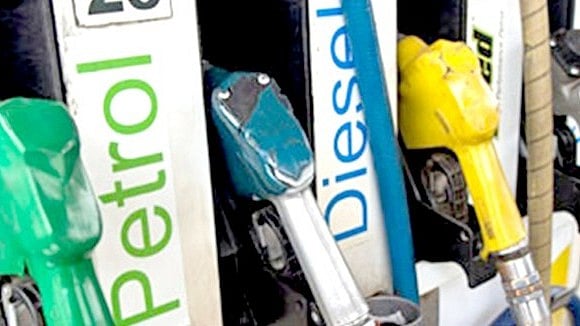
On Friday, oil marketing companies adjusted the rates for specific types of fuel. Premium petrol, which is often used in high-end cars and motorcycles for better engine performance, saw a moderate increase. However, the jump in bulk diesel was much more severe. This decision was driven by the rising cost of crude oil on the international market, which has been volatile due to geopolitical conflicts.
Important Numbers and Facts
- Premium Petrol (95-octane): In Delhi, the price rose from Rs 99.89 to Rs 101.89 per litre, an increase of Rs 2.
- Bulk Diesel: The price jumped from Rs 87.67 to Rs 109.59 per litre, a massive increase of nearly Rs 22.
- Regular Fuel: Standard petrol remains at Rs 94.77 and diesel at Rs 87.67 in the capital. These prices have been frozen since April 2022.
- Global Crude Prices: International oil prices recently spiked to $119 per barrel before settling around $108.
Background and Context
India is highly dependent on other countries for its energy needs. The country imports about 88 percent of the crude oil it uses and roughly half of its natural gas. Because of this, any trouble in oil-producing regions quickly affects the Indian economy. Currently, tensions in West Asia are the main cause of concern. Specifically, there are fears regarding the Strait of Hormuz, a narrow water passage that is vital for oil shipments. If this route is blocked or slowed down, the supply of oil to India could be at risk.
For nearly four years, the government and oil companies have kept retail fuel prices steady to protect the public from high inflation. However, as global prices stay high, it becomes harder for oil companies to absorb the losses. Raising the price for bulk buyers is a way to recover some money without causing an immediate outcry at the local petrol pump.
Public or Industry Reaction
The reaction to these price changes has been swift. Political opposition groups have criticized the government, arguing that the hike will hurt the common man by making essential goods more expensive. They point out that many families are already struggling with the high cost of cooking gas (LPG), which remains above Rs 900 per cylinder in many areas.
Industry leaders in the transport sector have also expressed concern. They warn that a Rs 22 per litre increase in bulk diesel is too much for many logistics companies to handle. Small transport businesses, in particular, may find it difficult to survive without raising their freight charges significantly.
What This Means Going Forward
Looking ahead, the gap between retail prices and bulk prices may create new problems. If bulk diesel remains much more expensive than retail diesel, large consumers might try to buy fuel from regular petrol pumps instead of through bulk contracts. This could lead to fuel shortages at local stations or force the government to change how fuel is sold.
Furthermore, if global oil prices do not drop soon, the government may eventually be forced to raise retail prices for everyone. The current strategy of "shielding" the consumer is becoming very expensive for the state-run oil companies. If the situation in West Asia worsens, we could see more frequent price adjustments in the coming months.
Final Take
The recent hike in premium petrol and bulk diesel is a clear sign that global energy pressures are reaching a breaking point. While the average driver might not see a change at the pump today, the increased cost of moving goods will likely show up on store shelves soon. Balancing the needs of the economy with the reality of global oil markets remains a difficult challenge for the country.
Frequently Asked Questions
Why did only bulk diesel prices go up so much?
Bulk diesel is sold to large industries and transport fleets. By raising these prices while keeping retail prices steady, oil companies can recover some costs without directly affecting every individual driver at the pump.
Will this make food and other goods more expensive?
Yes, it is likely. Since most goods are transported by trucks that use diesel, a rise in fuel costs usually leads to higher shipping fees, which eventually increases the price of products for consumers.
Is regular petrol going to get more expensive soon?
While regular petrol prices have been frozen since 2022, continued high global oil prices put pressure on the government to allow a price hike. However, no official announcement has been made yet.