
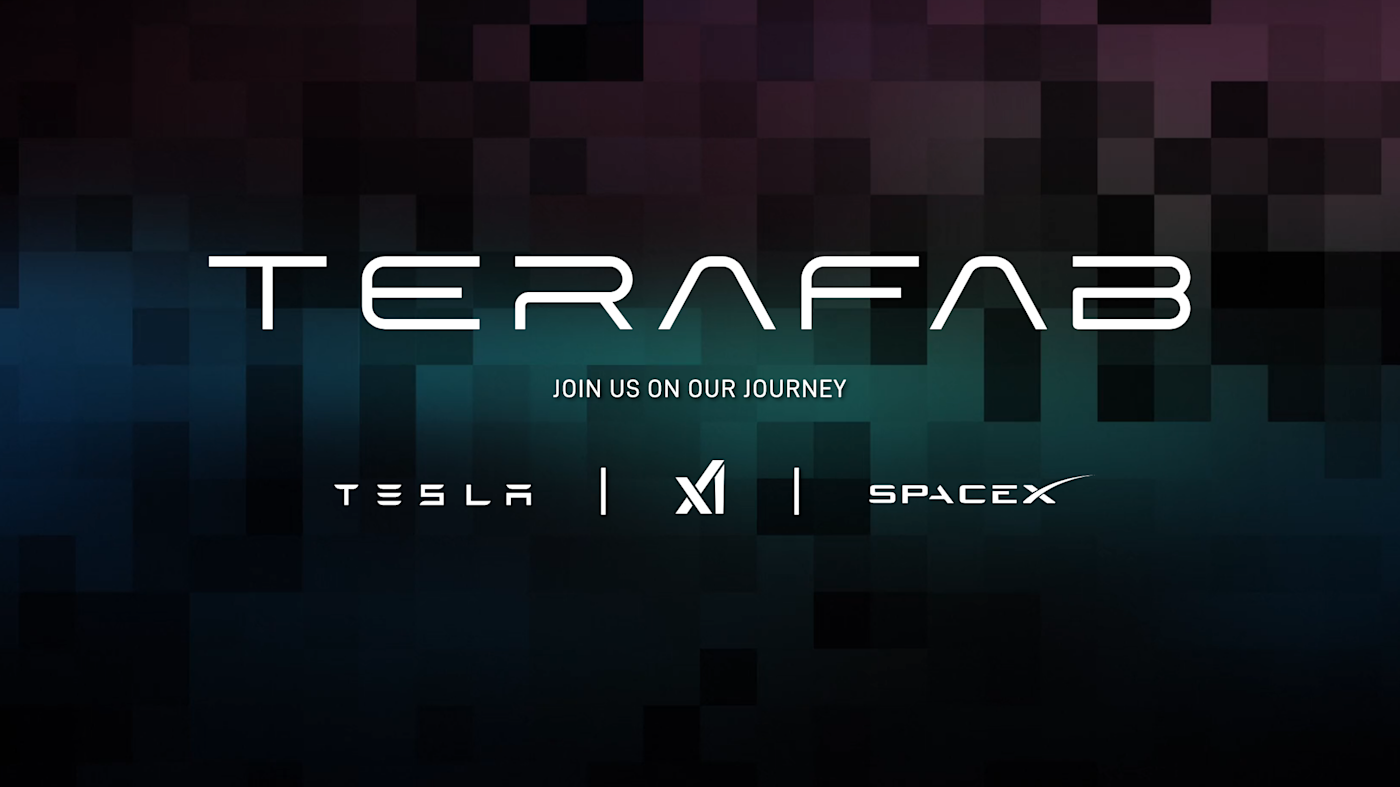
Elon Musk announced a $20 billion plan to build the world's largest chip factory in Austin, Texas, to power his AI robots and space projects. This joint venture between Tesla, SpaceX, and xAI aims to produce a terawatt of computing power every year because current suppliers cannot meet his needs. The project, called Terafab, marks a shift toward Musk making his own hardware for everything from self-driving cars to orbital data centers.
Musk reveals Terafab plan to end reliance on outside chip makers
Elon Musk used a livestream on the social media platform X to reveal the Terafab project. He stated that his companies, Tesla and SpaceX, currently face a massive shortage of the computing power they need to grow. Musk explained that while he still works with partners like Samsung, TSMC, and Micron, they only provide about two percent of his future requirements. To fix this, he plans to build a facility that produces one terawatt of computing power annually.
The factory will focus on two specific types of hardware. The first is a terrestrial chip designed to run Tesla’s Full Self-Driving software and the Optimus humanoid robots. The second is a high-powered, durable chip built to survive the harsh environment of space. Musk told viewers that the choice was simple: either build this factory or stop making the products his companies have promised to deliver.
This project will start with the Advanced Technology Fab located at Tesla’s headquarters in Austin. Musk estimates the total cost will reach at least $20 billion. This money will go toward specialized machinery and building the clean rooms required to make modern processors. By building his own chips, Musk hopes to control his own supply chain and avoid the delays that have slowed down the tech industry in recent years.
Why Tesla and SpaceX are moving away from global suppliers
The decision to build Terafab comes after years of Musk struggling with the global chip supply chain. During the livestream, he thanked his current partners but made it clear they cannot keep up with his goals. Tesla needs millions of chips for its cars and robots, while SpaceX has even larger plans for the sky. Musk recently asked the Federal Communications Commission for permission to launch one million satellites to create a data center in orbit.
A terawatt of computing power is a massive amount of energy and processing speed. To put this in perspective, it is roughly the same as running millions of high-end gaming computers at the same time. Musk believes that to create what he calls a "galactic civilization," he cannot wait for other companies to build the parts he needs. He wants to own the entire process from the design of the chip to the rocket that carries it into space.
Texas has become the center of Musk’s business world, and this factory cements that position. By placing the Terafab in Austin, he can keep the engineers who design the chips close to the factory where they are made. This setup is intended to speed up the time it takes to fix errors and improve the hardware. It also allows Tesla and SpaceX to share the costs of the expensive equipment needed for chip production.
How the $20 billion factory affects the Texas tech industry
The Terafab project will have a major impact on the local economy in Austin and the wider tech world. Building a $20 billion facility requires thousands of construction workers and hundreds of specialized engineers. This move turns Austin into a direct rival to other chip-making hubs like Arizona and Taiwan. For local residents, this means more high-paying jobs but also more pressure on housing and local services as more workers move to the area.
For the global tech market, this project is a warning to current leaders like TSMC and Samsung. If one of their biggest customers stops buying their products, it could change how they plan their own future factories. However, building a chip factory is not easy. It requires a steady supply of water, massive amounts of electricity, and perfect conditions inside the building. Any small vibration or speck of dust can ruin a batch of chips worth millions of dollars.
The project also signals a change in how AI companies operate. Most AI firms, like OpenAI or Google, buy their chips from Nvidia. By building his own, Musk is trying to bypass the high prices and long wait times that other companies face. This could give xAI, his artificial intelligence company, a massive advantage in training new models. It allows them to build the hardware specifically for the software they are writing.
What changes for Tesla drivers and SpaceX projects
The most immediate change for consumers will be the speed at which Tesla can update its vehicles. With a dedicated chip supply, the company can roll out new versions of its self-driving software without waiting for hardware shipments. This could lead to faster improvements in how cars handle complex city streets. The Optimus robot project will also benefit, as it needs specialized chips to process the massive amount of data coming from its cameras and sensors.
For SpaceX, the Terafab is the key to the "orbital data center" plan. These chips must be much tougher than the ones in your phone or laptop. They have to work in extreme heat and cold and survive radiation from the sun. If Musk can produce these chips in large numbers, he can turn his Starlink satellites into a giant computer that floats above the Earth. This would allow people to use AI services from anywhere in the world without needing a ground-based data center nearby.
- Tesla will no longer have to wait for outside suppliers to finish chip designs.
- SpaceX can build satellites that process data in space instead of sending it back to Earth.
- The cost of making Optimus robots could drop as chip production scales up.
- Austin will see a surge in demand for electrical and chemical engineering talent.
The risks of Musk's history with big promises
While the Terafab project sounds impressive, Musk has a history of promising more than he can deliver on time. He previously told the public that Tesla would have a $40,000 Cybertruck and fully autonomous cars by now, but those goals have shifted many times. Building a chip factory is often considered the most difficult type of manufacturing in the world. Even established companies like Intel have struggled to build new factories on schedule and within their budgets.
According to Dan Ives, a senior equity analyst at Wedbush Securities, Musk’s move into chip manufacturing is a high-risk, high-reward bet that investors are watching closely. The $20 billion cost is a huge amount of money, even for a person as wealthy as Musk. If the factory faces delays, it could drain cash from Tesla and SpaceX at a time when they are already spending heavily on other projects. There is also the risk that by the time the factory is finished, the technology it was built to make might already be old.
Another concern is the environmental impact of such a large factory. Chip making uses millions of gallons of water every day and requires a constant flow of chemicals. Austin has faced water shortages in the past, and adding a massive industrial user could lead to tension with the local community. Musk will need to prove that his factory can operate without hurting the local environment or taking too much from the city's power grid.
Confirmed next steps for the Austin facility
The first confirmed step is the expansion of the Advanced Technology Fab in Austin. Construction crews are expected to begin preparing the site for new equipment in the coming months. Musk has already filed the necessary paperwork with the Federal Communications Commission regarding the satellite constellation that these chips will power. This filing is a formal requirement before SpaceX can begin testing the orbital data center technology.
Investors will look for updates during Tesla’s next earnings call to see how the $20 billion will be split between the three companies. Musk is expected to hire a leadership team specifically for Terafab to manage the day-to-day operations of the factory. While no date for the first "terawatt chip" has been set, the company is likely to start with smaller test batches to prove the design works. The timeline for the million-satellite launch remains dependent on the success of the Starship rocket program.
Key Numbers and Facts
The confirmed figures behind this story at a glance.
Key Fact Detail Main person or group Elon Musk (Tesla, SpaceX, xAI) Main action or decision Building the Terafab chip factory Date or period Announced March 2024 Amount, figure, or scale $20 billion estimated cost Previous status or level Buying chips from Samsung and TSMC Current status or level Suppliers meet only 2% of future needs Primary effect 1 terawatt of annual computing power Next confirmed step Expansion of Austin Advanced Technology Fab
Musk is building a closed loop for the future of AI
Elon Musk is trying to build a world where he owns every part of the machine, from the energy that powers it to the silicon brain that thinks for it. This is not just a factory; it is an attempt to make his companies independent of the rest of the global tech industry. If he succeeds, he will have a level of control that no other tech leader has ever achieved. The success of Terafab will determine if Musk can truly build the "galactic civilization" he talks about or if he has finally found a project too big to handle. Controlling the chips means controlling the future of AI, and Musk is clearly unwilling to leave that power in anyone else's hands.
Frequently Asked Questions
Where will the Terafab factory be located?
The Terafab project will be based in Austin, Texas, starting at the existing Tesla headquarters. Musk chose this location to keep his chip designers and the manufacturing team in the same city. This setup helps the company find and fix problems with new chip designs much faster than using overseas factories.
What kind of chips will the Terafab produce?
The factory will make two main types of chips for Musk's different companies. One type is for terrestrial use, which will power Tesla's self-driving cars and Optimus robots. The other type is a high-powered, durable chip designed to survive the radiation and extreme temperatures found in space for SpaceX satellites.
Why is Elon Musk building his own chip factory?
Musk is building the Terafab because current suppliers like Samsung and TSMC can only provide two percent of what he needs for the future. He wants to produce one terawatt of computing power every year to support his plans for AI and a million-satellite data center. By making his own chips, he avoids the high costs and long delays of the global supply chain.