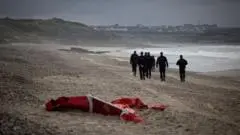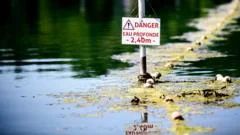
The search for relief from Europe's brutal heatwave has turned deadly. Forty people have drowned in France since last Thursday, Prime Minister Sébastien Lecornu confirmed, as scorching temperatures drive millions toward rivers, lakes, and coastlines — often with tragic consequences.
How a heatwave becomes a drowning crisis
When temperatures soar past 40°C, water becomes a magnet. But the combination of sudden cold water shock, alcohol consumption, and overcrowded beaches creates a lethal mix. In France, drowning deaths during heatwaves have historically spiked by 172%, according to data from previous years. This year's toll is already among the worst on record.
Why this heatwave is different
This isn't just another hot summer. Europe is buckling under a prolonged heatwave that has shattered records across multiple countries. In France, temperatures exceeded 40°C in several regions, pushing vulnerable populations — the elderly, children, and those without air conditioning — toward any available water source. The result: a surge in fatal incidents that authorities were unprepared for.
The timeline of a deadly week
Since last Thursday, rescue services across France have been overwhelmed. The drownings occurred in both supervised and unsupervised locations — from the Mediterranean coast to inland rivers and lakes. Prime Minister Lecornu's announcement on Monday confirmed the grim tally, with officials warning that the number could rise as the heatwave persists.
Who is most at risk
The victims span all ages, but a significant proportion are young adults and middle-aged men, often swimming in unsupervised areas or after consuming alcohol. Children are also vulnerable, especially in crowded beaches where supervision is difficult. The pattern mirrors previous heatwave drownings, where overconfidence and lack of awareness prove fatal.
What Prime Minister Lecornu said
"Forty people have lost their lives since Thursday in drowning incidents linked to the heatwave," Lecornu told reporters. He urged citizens to exercise extreme caution near water, avoid swimming alone, and never drink alcohol before entering the water. Rescue services have been deployed to high-risk areas, but the scale of the crisis is stretching resources thin.
Why drownings spike during heatwaves
Heatwaves create a perfect storm for drowning. People seek water to cool down, but sudden immersion in cold water can cause cardiac arrest or panic. Overcrowded beaches make lifeguard supervision difficult. And the heat itself impairs judgment, leading to risky behavior. In France, the 172% spike during past heatwaves is a stark reminder of this deadly dynamic.
Confirmed facts vs what remains unclear
Confirmed: 40 drowning deaths in France since last Thursday, directly linked to the heatwave. Prime Minister Lecornu's statement. Historical data showing 172% spike in drownings during heatwaves.
Unclear: Exact breakdown of victims by age and location. Whether the death toll will rise further. The full impact across other European countries experiencing the same heatwave.
How Europe is coping with the heat
France is not alone. Spain, Italy, and Greece are also sweltering under temperatures above 40°C. In Spain, at least three heat-related deaths were reported last week. Italy has issued red alerts for multiple cities. The heatwave, driven by a high-pressure system from North Africa, is expected to continue for several more days, raising fears of further drownings and heatstroke fatalities.
Risks and concerns for the coming days
Authorities warn that the worst may not be over. With temperatures forecast to remain high, more people will seek water. Lifeguard shortages, overcrowded beaches, and the lure of unsupervised swimming spots create a dangerous combination. Public health officials are also concerned about heatstroke, dehydration, and the strain on emergency services.
A wider pattern of extreme heat
This heatwave is part of a broader trend. Europe has experienced increasingly frequent and intense heatwaves over the past decade, with 2023 and 2024 both breaking records. Climate scientists link this to global warming, which makes extreme heat events more likely and more severe. The drowning deaths in France are a tragic consequence of a warming world.
What you should do to stay safe
If you are in a heatwave-affected area: swim only at supervised beaches, never swim alone, avoid alcohol before swimming, and watch children constantly. If you feel unwell from the heat, seek shade and hydrate. Check local warnings and avoid water bodies during peak heat hours. The simplest precautions can save lives.
What happens next
The heatwave is expected to persist for at least another week. French authorities are ramping up patrols at popular swimming spots and issuing public safety announcements. The death toll may rise, but officials hope that increased awareness will prevent further tragedies. Across Europe, governments are reviewing heatwave response plans, with drowning prevention now a key focus.
Our Take
The drowning deaths in France are not just a statistic — they are a preventable tragedy. Every heatwave brings the same pattern: people seek water, and too many never return. The 172% spike in drownings during past heatwaves shows that this is a known risk, yet warnings often go unheeded. Governments must do more than issue alerts — they need to deploy more lifeguards, restrict access to dangerous spots, and run public awareness campaigns that cut through the noise. For now, the priority is survival. But the long-term lesson is clear: as heatwaves intensify, so must our response.
Frequently Asked Questions
How many people have drowned in France during the heatwave?
Forty people have drowned since last Thursday, according to Prime Minister Sébastien Lecornu. The deaths are directly linked to the ongoing heatwave.
Why do drowning deaths spike during heatwaves?
Heatwaves drive people to water for relief, but sudden cold water shock, alcohol consumption, and overcrowded beaches increase the risk of drowning. In France, drownings have historically spiked by 172% during heatwaves.
What should I do to stay safe during a heatwave near water?
Swim only at supervised beaches, never swim alone, avoid alcohol before swimming, and watch children closely. Seek shade and hydrate if you feel unwell from the heat.
Is the heatwave expected to continue?
Yes, the heatwave is forecast to persist for at least another week, with temperatures exceeding 40°C in parts of France, Spain, and Italy. Authorities warn of further risks.