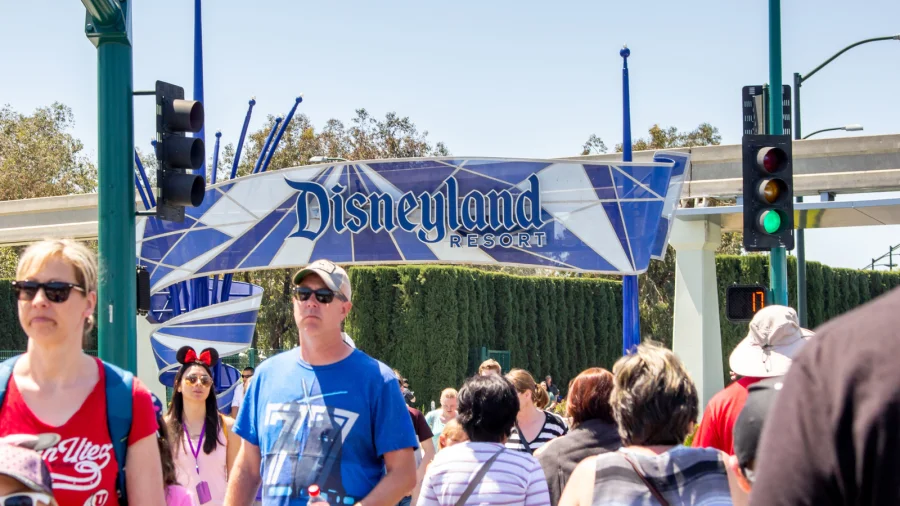
Millions of families walk through Disney’s gates every year expecting nothing but magic. But a new class action lawsuit is raising an uncomfortable question: Is Disney scanning your face without telling you?
The complaint, filed in recent days, accuses the entertainment giant of using facial recognition technology on park visitors without providing adequate notice or obtaining proper consent. For guests who thought they were just buying a ticket to see Mickey Mouse, the lawsuit suggests they may have also unknowingly handed over their biometric data.
What the Disney Facial Recognition Lawsuit Actually Alleges
At the heart of the case is a simple but powerful claim: Disney is collecting and storing facial scans of visitors, but the company’s signage, ticketing terms, and public disclosures are not clear enough to meet legal standards. The lawsuit argues that guests cannot reasonably know they are being scanned, and therefore cannot give informed consent.
This isn’t about a hidden camera in a bathroom. It’s about the technology used at park entrances, ride queues, and photo systems — systems that the complaint says capture and analyze facial geometry without transparent warning.
Why This Matters Right Now
Facial recognition is one of the most controversial technologies in the world. Unlike a fingerprint or a password, your face is something you cannot change. Once a company has your facial map, it can be used to track you, identify you, and potentially share or sell that data — all without your knowledge.
For Disney, which hosts tens of millions of visitors annually across its parks in Florida, California, and around the world, the stakes are enormous. If the lawsuit succeeds, it could force Disney to overhaul its privacy practices and pay significant damages. For guests, it raises a deeply personal question: How much of your identity are you leaving behind at the happiest place on earth?
How the Lawsuit Unfolded
The class action was filed in a U.S. court, though the exact jurisdiction and named plaintiffs are still emerging. The complaint draws heavily on state-level biometric privacy laws, particularly those that require companies to obtain written consent before collecting facial data.
Illinois’ Biometric Information Privacy Act (BIPA) has been the legal hammer in similar cases. Tech companies like Facebook and Google have already paid hundreds of millions of dollars to settle BIPA class actions over facial recognition and photo-tagging features. The Disney lawsuit appears to follow a similar legal playbook, arguing that the company’s practices violate these strict privacy statutes.
Who Is Affected and What Disney Is Saying
The potential class includes anyone who visited a Disney park and was scanned by facial recognition systems without clear notice. That could mean millions of people — families, annual pass holders, international tourists, and casual visitors alike.
Disney has not yet issued a detailed public response to the lawsuit. However, the company has previously defended its use of facial recognition as a tool for improving guest experience, such as faster entry and personalized interactions. Critics argue that convenience should never come at the cost of informed consent.
What We Know So Far — and What Remains Unclear
What we know:
- A class action lawsuit has been filed against Disney over facial recognition technology at its parks.
- The complaint alleges insufficient notice and lack of consent for biometric data collection.
- The case is likely based on state biometric privacy laws similar to Illinois’ BIPA.
What remains unclear:
- The exact scope of Disney’s facial recognition systems across different parks and attractions.
- Whether Disney will settle or fight the case in court.
- How the court will interpret “sufficient notice” in the context of a theme park visit.
Risks, Concerns, and the Balanced View
From Disney’s perspective, facial recognition can enhance security and streamline operations. The company may argue that its existing signage and terms of service are adequate, and that guests implicitly consent by entering the park.
But privacy advocates see a different picture. They warn that facial recognition data is uniquely sensitive — it can be used for surveillance, profiling, and even identity theft. Without clear opt-in consent, they argue, no company should be allowed to build a database of faces.
The legal landscape is also shifting. Several states are considering or have already passed stricter biometric privacy laws. A ruling against Disney could set a powerful precedent, forcing the entire theme park industry to rethink how it handles guest data.
Why Similar Privacy Concerns Are Growing
This lawsuit is not an isolated incident. In recent years, major tech companies have faced a wave of class actions over facial recognition and biometric data. Google paid $100 million to settle a BIPA case over its Google Photos face grouping feature. Facebook (now Meta) settled a similar case for $650 million.
The pattern is clear: companies are collecting biometric data faster than laws can keep up. And when they get caught, the price tag is enormous. Disney’s case may be the next domino to fall.
“The complaint says park visitors don't get sufficient notice they're being scanned.” — Original story summary
What Disney Visitors Should Know Now
If you are planning a trip to a Disney park, here is what you should keep in mind:
- Read the fine print on your ticket and the park’s terms of service carefully.
- Be aware that facial recognition systems may be in use at entrances, ride queues, and photo points.
- If you are concerned about privacy, consider contacting Disney directly to ask about their data collection practices.
- Stay updated on the lawsuit — if you are a past visitor, you may be part of the class.
What Could Happen Next
The lawsuit is in its early stages. Disney could move to dismiss the case, or it could choose to settle quickly to avoid negative publicity. If the case proceeds, it could take months or even years to reach a final verdict.
Regardless of the outcome, the lawsuit has already achieved one thing: it has put Disney’s facial recognition practices under a microscope. Other theme parks, stadiums, and entertainment venues are likely watching closely.
Our Take: Why This Story Matters Beyond One Lawsuit
This is not just a legal dispute between a corporation and its customers. It is a test case for how much control individuals have over their own biological data in an increasingly automated world.
Disney is a beloved brand, and for many, a trip to the park is a cherished memory. But trust is fragile. If guests feel their privacy is being compromised without their knowledge, that magic can quickly fade. The outcome of this lawsuit could determine whether other companies follow Disney’s lead — or whether they are forced to change course.
FAQs
What is the Disney facial recognition lawsuit about?
The class action lawsuit alleges that Disney uses facial recognition technology at its theme parks without providing visitors with sufficient notice or obtaining proper consent, potentially violating state biometric privacy laws.
How does Disney use facial recognition at its parks?
Disney reportedly uses facial recognition systems at park entrances, ride queues, and photo services to identify guests and personalize experiences. The lawsuit claims these practices are not transparently disclosed to visitors.
Can I opt out of facial recognition at Disney parks?
Currently, it is unclear whether Disney offers a clear opt-out mechanism for facial recognition scanning. The lawsuit argues that the lack of meaningful notice makes it impossible for guests to give informed consent.
What should I do if I visited a Disney park and am concerned about privacy?
You should review Disney’s privacy policy and terms of service. If you believe your biometric data was collected without proper notice, you may be eligible to join the class action. Consulting with a privacy attorney can also help clarify your rights.