

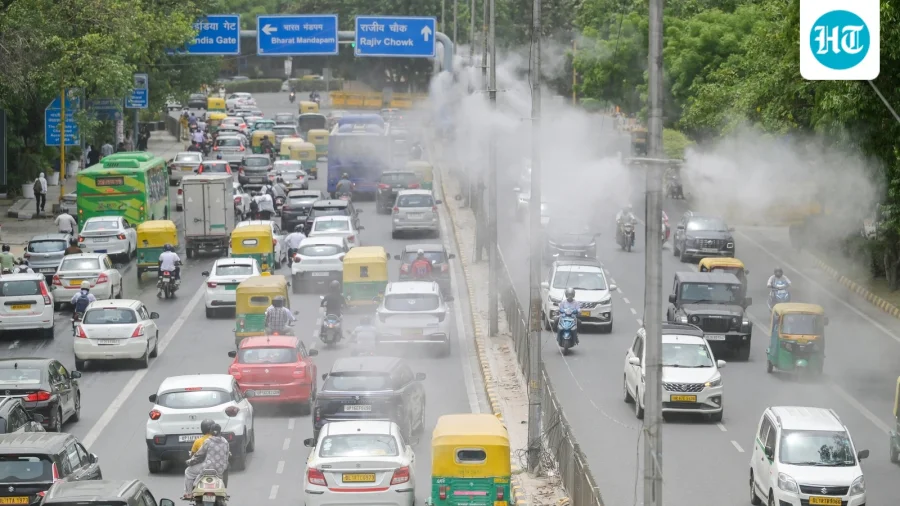
On Wednesday, Delhi recorded an actual maximum temperature of 41.3°C. But for anyone stepping outside, it felt far worse. The 'real feel' — or heat index — crossed 53°C, driven by oppressive humidity that made the air thick and the body's cooling system nearly useless.
Why 41.3°C Felt Like 53°C: The Science Behind the Heat Index
The heat index combines air temperature with relative humidity to measure what the human body actually experiences. When humidity is high, sweat cannot evaporate efficiently from the skin. Evaporation is the body's primary cooling mechanism — without it, internal temperature rises, leading to heat stress, cramps, exhaustion, and potentially fatal heatstroke.
Wet-Bulb Temperature Hits 29.77°C: A Dangerous Threshold
Meteorologists also track the wet-bulb temperature, which measures the lowest temperature achievable through evaporative cooling. On Wednesday, Delhi's wet-bulb temperature was recorded at 29.77°C. Research shows that a wet-bulb temperature above 35°C is lethal for humans within hours, but even levels above 28°C cause severe physiological strain, especially for outdoor workers, the elderly, and those with pre-existing conditions.
Who Is Most at Risk in Delhi's Heat Stress
The combination of high heat and humidity hits vulnerable populations hardest. Construction workers, street vendors, delivery riders, and daily-wage labourers have no option but to remain outdoors. For them, the 'real feel' of 53°C is not an abstract number — it is a daily threat to their health and livelihood. Hospitals in Delhi have reported a rise in heat-related cases, including dehydration, fainting, and heat exhaustion.
Why the Official Heatwave Declaration Doesn't Capture the Real Danger
India's weather department declares a heatwave when at least two stations record a temperature of 45°C or higher. The heat index is not used for official warnings. This means that even when conditions are dangerously oppressive — as they were on Wednesday — the official alert may not reflect the actual risk people face. Critics argue that the system needs updating to include humidity-adjusted metrics.
Delhi's Urban Heat Island Effect Makes It Worse
The city's dense concrete and asphalt absorb heat during the day and release it slowly at night. A report cited by the Times of India noted that Delhi cools down by only 8.5°C at night, compared to 12.2°C in urban outskirts. This means residents get little relief even after sunset, compounding the physical stress over consecutive days.
Confirmed Facts vs What Remains Unclear
Confirmed: Delhi's actual maximum temperature on Wednesday was 41.3°C. The heat index crossed 53°C. The wet-bulb temperature was 29.77°C. High humidity is the primary cause of the elevated real feel. Unclear: The exact number of heat-related hospitalisations or deaths directly attributable to this specific day's conditions has not been officially released. The duration for which the heat index will remain above 50°C is uncertain.
Risks and Balanced View
While the heat index provides a more accurate measure of human discomfort, it is not a substitute for official heatwave warnings based on dry-bulb temperature. Some meteorologists caution that heat index calculations can vary based on local microclimates and measurement methods. However, the consensus is clear: the combination of high temperature and humidity is a growing public health threat, especially as climate change increases both variables.
Wider Trend: Climate Change and Rising Humidity in North India
Delhi's heatwave is part of a broader pattern. Climate scientists have observed that rising global temperatures are increasing the moisture-holding capacity of the atmosphere, leading to more humid heatwaves across South Asia. This makes extreme heat events more dangerous even when the mercury does not break records. The 2022 heatwave in India and Pakistan, which killed over 90 people, was similarly driven by humidity.
Practical Guidance for Delhi Residents
Stay indoors during peak heat hours (11 AM to 4 PM). If you must go out, wear light, loose clothing, carry water, and take frequent breaks in shaded or air-conditioned areas. Avoid strenuous activity. Watch for symptoms of heat exhaustion: heavy sweating, weakness, dizziness, nausea, and headache. If symptoms worsen, seek medical help immediately. For outdoor workers, employers should provide cool drinking water, rest breaks, and shaded work areas.
Future Outlook: When Will Relief Arrive?
The India Meteorological Department has not forecast immediate relief. The monsoon is expected to reach Delhi by late June or early July, but until then, heatwave conditions are likely to persist. The real feel temperature may continue to hover near or above 50°C on days with high humidity. Authorities are urged to issue heat index-based warnings and open cooling centres for vulnerable populations.
Our Take
Delhi's 'real feel' of 53°C is not a statistical curiosity — it is a public health emergency in slow motion. The gap between official temperature readings and what people actually experience is widening, and the current warning system is not keeping pace. Updating heatwave criteria to include humidity, issuing real-time heat index alerts, and protecting outdoor workers must become urgent priorities. The human cost of inaction is measured not in degrees, but in lives.
Frequently Asked Questions
What is the difference between actual temperature and 'real feel' temperature?
Actual temperature is the air temperature measured by a thermometer in the shade. The 'real feel' or heat index combines temperature with humidity to measure what the human body actually experiences. High humidity makes it feel hotter because sweat cannot evaporate efficiently.
Why is humidity dangerous during a heatwave?
Humidity prevents sweat from evaporating from the skin. Since evaporation is the body's primary cooling mechanism, high humidity can cause the body to overheat, leading to heat cramps, exhaustion, and potentially fatal heatstroke.
What is wet-bulb temperature and why does it matter?
Wet-bulb temperature measures the lowest temperature achievable through evaporative cooling. It is a critical indicator of heat stress on the human body. A wet-bulb temperature above 35°C is considered lethal, but levels above 28°C already cause severe physiological strain.
How can I protect myself from heat stress in Delhi?
Stay indoors during peak heat hours (11 AM to 4 PM). Wear light, loose clothing. Drink plenty of water. Avoid strenuous activity. Take breaks in shaded or air-conditioned areas. Watch for symptoms of heat exhaustion and seek medical help if needed.