

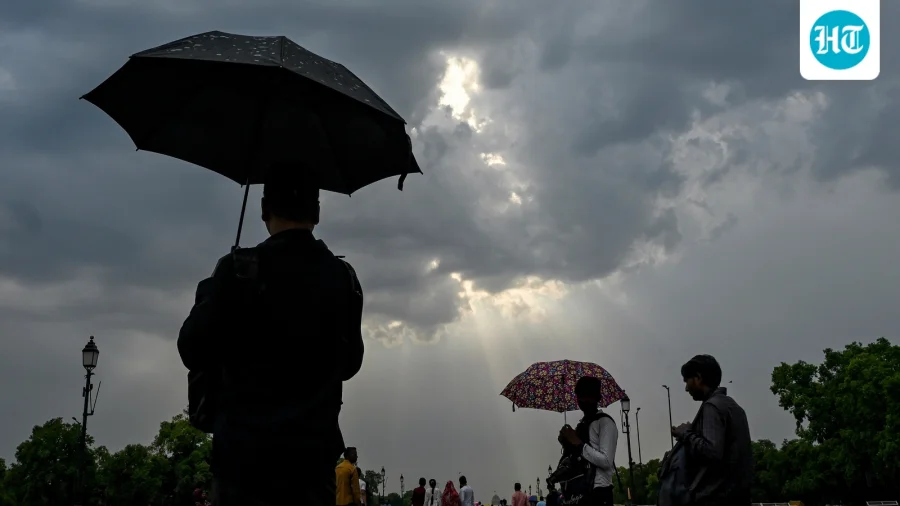
The India Meteorological Department (IMD) has issued a red alert for several parts of Delhi, warning of heavy rain and thunderstorms that could disrupt daily life across the capital. The alert, covering north, northwest, northeast, central, east, and parts of southeast, west, and New Delhi districts — along with Shahadara — comes as rain and dust storms lashed parts of the city on Tuesday evening, offering relief from an intense heatwave but raising fresh concerns about waterlogging and traffic chaos.
Which Delhi Districts Are Under Red Alert?
The red alert applies to north, northwest, northeast, central, east, and parts of southeast, west, and New Delhi districts, as well as the entire Shahadara area. These zones are expected to experience heavy rainfall, thunderstorms, and strong winds over the next 24 to 48 hours. The IMD has advised residents in these areas to stay indoors, avoid low-lying zones, and take precautions against lightning strikes.
Why This Matters for Delhi Residents
For millions of Delhiites, this red alert means potential disruption to morning commutes, school schedules, and daily errands. Waterlogging on key roads — including stretches near ITO, Minto Road, and parts of the Ring Road — could cause significant delays. Flight operations at Indira Gandhi International Airport may also face delays due to low visibility and strong crosswinds. Residents in low-lying areas like Yamuna floodplains and parts of east Delhi are particularly vulnerable to waterlogging and should remain vigilant.
Timeline of the Weather Event
Tuesday evening saw rain and dust storms sweep across parts of Delhi, bringing temperatures down from the high 40s to more bearable levels. The IMD upgraded its warning to a red alert late Tuesday, citing the likelihood of continued heavy precipitation and thunderstorm activity through Wednesday. The alert is expected to remain in force for at least 24 to 48 hours, with the possibility of extension depending on weather patterns.
Who Is Affected and How to Stay Safe
Commuters, daily wage workers, students, and elderly residents are among the most affected groups. The IMD has issued specific safety guidelines: avoid open fields and tall structures during thunderstorms, stay away from waterlogged roads, and do not park vehicles under trees. Parents are advised to keep children indoors, and office-goers should plan for delays or work-from-home if possible.
IMD’s Official Advisory and Expert View
In its official bulletin, the IMD stated: “Red alert indicates very heavy rainfall expected, with potential for flooding and disruption. Residents in affected areas should take immediate precautions.” Meteorologists have noted that the current weather system is being driven by a combination of moisture-laden winds from the Bay of Bengal and a western disturbance over northwest India, creating conditions for intense localised storms.
What This Weather Pattern Means for Delhi
The red alert is not just about rain — it signals a shift in weather patterns that could bring more frequent storms in the coming weeks. Experts point out that such intense pre-monsoon activity is becoming more common due to changing climate conditions, making early warnings and preparedness critical for urban centres like Delhi.
Confirmed Facts vs What Remains Unclear
Confirmed: IMD has issued a red alert for specific Delhi districts; rain and thunderstorms have already affected parts of the capital; safety advisories are in place.
Unclear: Exact duration of the alert beyond 48 hours; specific areas of worst flooding; impact on flight schedules and school closures — these will depend on real-time developments.
Risks and Balanced View
While the rain brings relief from heatwave conditions, it also poses risks: waterlogging can disrupt emergency services, lightning poses a direct threat to those outdoors, and sudden downpours can cause accidents. Some residents have expressed frustration over inadequate drainage systems that worsen flooding. Authorities have urged calm but acknowledge that infrastructure challenges remain.
Wider Trend: Intensifying Pre-Monsoon Weather in North India
Delhi’s red alert is part of a broader pattern of extreme weather events across north India this season. Several states have reported unseasonal rain, hailstorms, and heatwaves in quick succession. Climate scientists link this volatility to rising global temperatures, which are making weather systems more unpredictable and severe.
Practical Guidance for Delhi Residents
If you live in or near the red alert zones: stay indoors during thunderstorms, avoid driving through waterlogged roads, keep emergency numbers handy, and monitor IMD updates via its official website or app. Parents should check with schools about closures. Commuters should allow extra travel time or consider working from home.
What Could Happen Next
The IMD will reassess the situation within 24–48 hours. If rainfall continues as forecast, the red alert may be extended or downgraded to orange. Residents should stay tuned to local news and official weather bulletins for real-time updates. Flight and train schedules may be adjusted, so travellers should confirm their plans.
Our Take
This red alert is a timely reminder that Delhi’s infrastructure — particularly its drainage and traffic management systems — remains vulnerable to extreme weather. While the IMD’s early warning system is robust, the real test lies in how quickly authorities respond to waterlogging and ensure public safety. For residents, the message is clear: take the alert seriously, plan ahead, and stay informed.
Frequently Asked Questions
What does a red alert from IMD mean?
A red alert is the highest level of weather warning, indicating that very heavy rainfall, thunderstorms, or other extreme conditions are expected. It advises people to take immediate precautions to protect life and property.
Which parts of Delhi are under red alert?
The red alert covers north, northwest, northeast, central, east, and parts of southeast, west, and New Delhi districts, along with Shahadara.
How long will the red alert last?
The alert is currently in place for 24 to 48 hours, but may be extended depending on weather conditions. Check IMD updates regularly.
What should I do if I am in a red alert zone?
Stay indoors, avoid low-lying areas, do not drive through waterlogged roads, and keep emergency contacts handy. Follow IMD advisories and local news for updates.