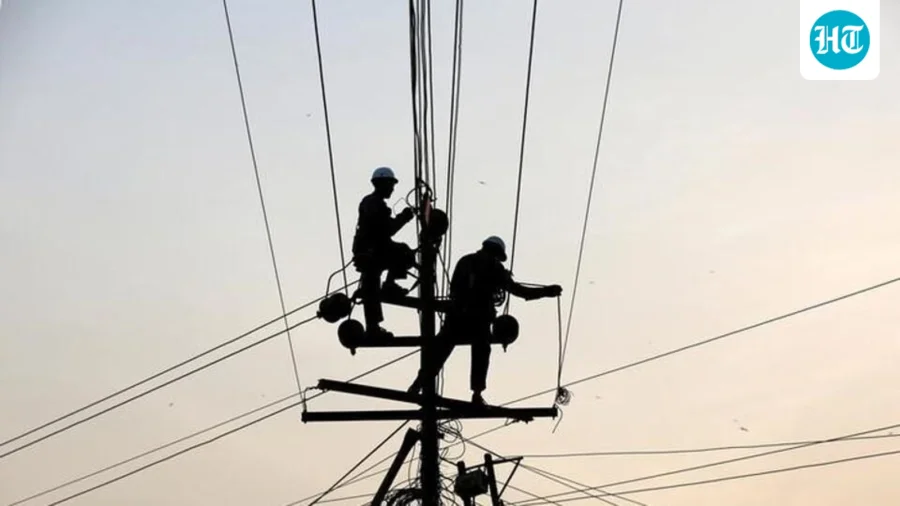
For nearly eight years, 36 families in a quiet corner of northeast Delhi's Harsh Vihar lived a life most of us can't imagine. No lights for children to study by. No fans to beat the summer heat. No refrigerator to keep food fresh. No television for evening news. Just darkness, day after day, year after year.
That wait ended this week. Electricity connections have finally been switched on in these homes, bringing light—and hope—to dozens of families who had almost given up. The change came after Chief Minister Rekha Gupta personally intervened following a public hearing.
Why This Matters Right Now
This isn't just a story about wires and meters. It's a story about basic dignity. In a city that prides itself on being India's capital, thousands still live without access to essential services. For these 36 families, the wait wasn't just inconvenient—it was a daily struggle that affected children's education, health, and the ability to earn a livelihood.
The fact that it took a Chief Minister's direct involvement to resolve an eight-year-old problem raises uncomfortable questions about how many more families are still waiting in silence.
How the Eight-Year Wait Finally Ended
The breakthrough came through the CM Jan Sunwai (public hearing) initiative, a platform where citizens can directly bring their grievances to the Chief Minister. According to officials, the Harsh Vihar families had been approaching various government departments for years without success.
When CM Rekha Gupta heard their story, she personally directed the power department to expedite the process. Within days, the necessary infrastructure was put in place, and electricity meters were installed.
On Sunday, officials confirmed that all 36 households in the A-3 block of Harsh Vihar had received their connections.
Who Is Affected and What Officials Are Saying
The 36 families are residents of Harsh Vihar, a locality in northeast Delhi. Many are daily wage workers, small shopkeepers, and laborers who could not afford alternative power sources or the legal fees to fight their case.
Chief Minister Rekha Gupta personally met with the families after the connections were provided. In a social media post, she wrote: "Chief Minister Smt. Rekha Gupta today met members of 36 families from Harsh Vihar A-3 who had waited for electricity connections for years."
Another post from her official handle added: "The wait of 36 Delhi families for an electricity connection since 2018 has finally ended through the CM Jan Sunwai. After years of uncertainty..."
The relief among residents was palpable. For many, this was not just about electricity—it was about being seen and heard by the system.
What We Know So Far — and What Remains Unclear
What we know:
- 36 homes in Harsh Vihar's A-3 block have received electricity connections.
- The wait lasted nearly eight years, since approximately 2017-2018.
- Chief Minister Rekha Gupta intervened after a public hearing.
- Officials confirmed the development on Sunday.
What remains unclear:
- The exact reason for the original delay—whether it was bureaucratic, legal, or infrastructure-related.
- Whether any officials have been held accountable for the prolonged delay.
- How many other families in Harsh Vihar or similar areas are still waiting for basic amenities.
Risks, Concerns, and the Balanced View
While this is undoubtedly a positive development, it also highlights a deeper systemic issue. The fact that 36 families had to wait eight years—and only got relief after the Chief Minister's personal intervention—suggests that the regular grievance redressal system is not working effectively.
Critics might argue that such case-by-case interventions, while heartwarming, are not a sustainable solution. What about families who don't have access to a CM Jan Sunwai? What about those who don't know how to navigate the system?
On the other hand, supporters of the government point out that the CM Jan Sunwai initiative was specifically designed to catch such cases that fall through the cracks. The fact that it worked here is a sign that the system can be responsive when properly engaged.
Why Similar Stories Are Becoming More Common
Harsh Vihar is not an isolated case. Across Delhi and other Indian cities, thousands of families in unauthorized colonies, resettlement areas, and peri-urban neighborhoods live without legal electricity connections. The reasons vary—land disputes, lack of infrastructure, bureaucratic delays, or simply being low on the priority list.
What makes the Harsh Vihar story stand out is the length of the wait. Eight years is an extraordinarily long time for a basic service that most of us take for granted. It underscores how the most vulnerable citizens often bear the brunt of administrative inefficiency.
"After years of uncertainty, the wait of 36 Delhi families for an electricity connection since 2018 has finally ended." — Official statement from CM Rekha Gupta's office
What Residents and Citizens Should Know Now
For residents facing similar issues, the Harsh Vihar case offers a clear lesson: the CM Jan Sunwai mechanism can work. Citizens who have been unable to resolve their grievances through regular channels should consider approaching this platform.
However, experts advise that citizens should first exhaust all regular channels—local electricity office, area councillor, and district administration—before escalating to the Chief Minister's office. Documentation of all previous attempts is crucial.
For those in unauthorized colonies, it's important to understand that eligibility for legal electricity connections often depends on the colony's regularization status. Consulting with local authorities about the specific status of your area is the first step.
What Could Happen Next
With the immediate crisis resolved, the focus now shifts to two things: ensuring that the connections remain stable and reliable, and addressing the broader issue of pending electricity connections in other parts of Delhi.
Officials have indicated that the government is reviewing similar pending cases across the city. The Harsh Vihar success story could become a template for faster resolution of such long-pending grievances.
There is also speculation that the government may announce a special drive to identify and resolve all pending electricity connection cases in the coming months.
Our Take: Why This Story Matters Beyond One Incident
The Harsh Vihar story is a microcosm of a larger challenge facing urban India. As cities grow and expand, the gap between those who have access to basic services and those who don't continues to widen. The fact that 36 families in the national capital could wait eight years for electricity is a stark reminder that development is not always inclusive.
But there is also a lesson in hope. The system, when pushed, can work. The CM Jan Sunwai mechanism, whatever its limitations, provided a lifeline to families who had been ignored for years. The question is: how do we make such responsiveness the norm, not the exception?
For now, the lights are on in Harsh Vihar. And that is a small but significant victory.
FAQs
Why did 36 families in Harsh Vihar have to wait 8 years for electricity?
The exact reasons remain unclear, but such delays in unauthorized or semi-regularized colonies are often due to land ownership disputes, lack of infrastructure, or bureaucratic red tape. The families had been approaching various departments without success until the Chief Minister intervened.
How did Chief Minister Rekha Gupta help these families get electricity?
The families raised their grievance through the CM Jan Sunwai (public hearing) initiative. After hearing their story, CM Rekha Gupta personally directed the power department to expedite the process, leading to the installation of connections within days.
Are there other families in Delhi still waiting for electricity connections?
Yes. Thousands of families in unauthorized colonies, resettlement areas, and peri-urban neighborhoods across Delhi are believed to be without legal electricity connections. The government has indicated it is reviewing similar pending cases.
What should I do if my family is also waiting for an electricity connection?
Start by contacting your local electricity office and area councillor. Keep written records of all applications and follow-ups. If regular channels fail, consider approaching the CM Jan Sunwai or your local MLA's office with proper documentation of your efforts.