
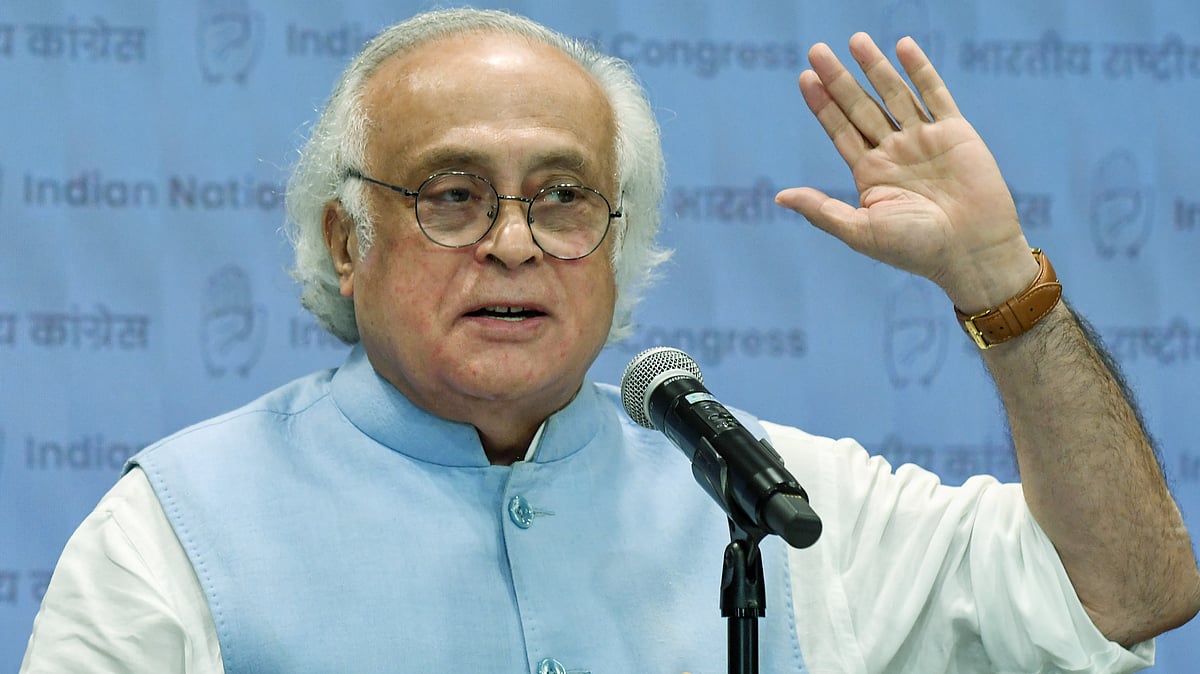
Congress General Secretary Jairam Ramesh on March 23, 2026, urged Prime Minister Narendra Modi to advance the BRICS+ Summit in New Delhi to halt the escalating US-Israel-Iran conflict. Ramesh claimed the government is failing to use its influence as the group's chair to protect India’s economic and energy interests in West Asia.
Congress demands early BRICS+ Summit to address West Asia war
Jairam Ramesh, the Congress general secretary for communications, criticized the Prime Minister on Monday for not taking a lead role in the current global crisis. Ramesh questioned why the 18th annual BRICS+ Summit, set for later this year in the capital, has not been moved to an earlier date. He suggested that a face-to-face meeting of world leaders is necessary to create a diplomatic plan to end the fighting.
The Congress leader used social media to claim that the Prime Minister is avoiding action to stay on good terms with US President Donald Trump and Israeli Prime Minister Benjamin Netanyahu. Ramesh argued that phone calls to global leaders are not enough to solve the problem. He stated that these calls lack the impact of direct meetings and do not allow for the "concrete outcomes" that a formal summit provides.
Ramesh also pointed out that the government has not issued a joint statement with other BRICS+ members about the conflict. He claimed this silence hurts India's standing as a global leader. By not leading the group, the Congress alleges that the government is choosing personal ties with foreign leaders over the collective power of the BRICS+ alliance.
The Prime Minister has not yet responded to these specific claims from the Congress party. The Ministry of External Affairs has also not confirmed any plans to change the timing of the summit. This political pressure comes as the war enters a more dangerous phase involving multiple nations across the region.
Iran seeks Indian intervention as BRICS+ chair
The demand from the Congress party follows a direct request from Iranian President Masoud Pezeshkian. Two days ago, Pezeshkian asked India to use its "independent influence" to help stop the US and Israel from continuing their military actions. Iran views India as a key player because New Delhi currently holds the presidency of the BRICS+ group.
BRICS+ has grown into a large group that now includes 11 nations. The members are Brazil, Russia, India, China, South Africa, Argentina, Egypt, Ethiopia, Saudi Arabia, Iran, and the United Arab Emirates. This expansion means the group represents a large portion of the world's oil production and population. Because both Iran and Saudi Arabia are now members, India sits in a unique position to talk to both sides of the regional divide.
In the past, India has tried to stay neutral in West Asian conflicts. It has maintained a policy of "strategic autonomy," which means it makes its own choices without joining a specific power bloc. However, the current war is different because it involves direct strikes between major powers and threatens the main routes used for global trade.
The conflict is now in its fourth week and is spreading. On Saturday, Israel reported that Iran continued to fire missiles. At the same time, Saudi Arabia said it shot down 20 drones over its eastern region. These drones were flying near major oil facilities, showing that the war is moving closer to the world's energy supply.
Why the West Asia conflict threatens Indian interests
The war in West Asia has direct consequences for millions of Indian citizens. About 9 million Indians live and work in the Gulf region. If the war grows, their safety and their ability to send money back home will be at risk. These workers send billions of dollars to India every year, which helps the national economy stay strong.
Energy security is another major worry for New Delhi. India buys most of its crude oil from the Middle East. Any disruption to oil production or shipping will cause fuel prices to rise quickly in Indian cities. Higher fuel prices lead to more expensive food and transport, which hurts every household in the country.
India also has a large project called the International North-South Transport Corridor. This trade route goes through Iran to reach Russia and Europe. If Iran is pulled deeper into a full-scale war, this multi-billion dollar trade path could be blocked. This would force India to use longer and more expensive shipping routes.
The government must also think about its ties with Israel. India uses Israeli technology for its farming and defense sectors. At the same time, it needs Iran for access to Central Asia. Balancing these two relationships is becoming harder as the fighting gets worse and both sides demand that India take a stand.
Immediate changes expected in regional diplomacy
The pressure from the opposition and foreign leaders may force the government to change its approach. While the summit date remains the same for now, several diplomatic shifts are likely to happen on the ground. These changes will affect how India talks to its partners in the coming weeks.
- The Ministry of External Affairs may increase the number of high-level meetings with Gulf nations to ensure the safety of Indian workers.
- New Delhi might be forced to join a collective BRICS+ statement to show it is not ignoring the concerns of its partners like Iran and Russia.
- Indian oil companies may start looking for more supply from countries outside the Middle East to prepare for a possible block of the Strait of Hormuz.
- Security at Indian ports and energy hubs will likely increase to protect against any spillover from regional drone or missile attacks.
These steps are practical moves to handle the immediate crisis. They show that even if the summit is not moved, the government must act to protect its interests. The focus is now on preventing a total stop to trade and ensuring that energy prices do not spiral out of control.
Risks of a wider war and the Strait of Hormuz deadline
The biggest risk right now is the closing of the Strait of Hormuz. This narrow waterway is the only way for oil tankers to leave the Persian Gulf. US President Donald Trump has set a deadline for the strait to be reopened. He warned that the United States might attack Iran’s energy plants if Tehran does not comply.
Iran has responded with its own threats. The Iranian government said that if its oil plants are hit, it will strike back at critical infrastructure across the region. This includes desalination plants that provide drinking water to millions of people in the Gulf. If these water plants are destroyed, it would create a massive humanitarian crisis that would affect Indian expats living there.
There is also a risk that India could lose its neutral status. If India speaks out too strongly against Israel, it might hurt its ties with Washington. If it stays silent, it might lose its influence in the BRICS+ group and upset its energy suppliers in Iran and the UAE. This "tightrope" walk is getting thinner every day.
The uncertainty of the war makes it hard for businesses to plan. Shipping costs are already rising because insurance companies are charging more to cover ships in the war zone. If the conflict lasts for several more months, the cost of living in India will likely rise as a result of these global trade problems.
Confirmed next steps for the BRICS+ presidency
The Indian government is expected to continue its current schedule for the BRICS+ presidency. No official announcement has been made regarding an early summit. The 18th Summit is still planned for later in 2026 in New Delhi. However, officials from the member nations are holding regular meetings to discuss the crisis.
The Ministry of External Affairs is expected to issue a statement regarding the safety of Indian citizens in the region soon. Prime Minister Modi is also expected to continue his phone diplomacy with leaders from the US, Israel, and the Gulf. These talks will focus on keeping trade routes open and preventing the war from spreading to other countries.
The next major event will be the end of the US deadline for the Strait of Hormuz. What happens on that day will decide if the war gets much worse or if there is a chance for peace. India will be watching this closely, as any military action will require an immediate response from New Delhi to protect its citizens and its economy.
Key Numbers and Facts
The confirmed figures behind this story at a glance.
Key Fact Detail Main person or organisation Prime Minister Narendra Modi and Jairam Ramesh (Congress) Main action or decision Demand to advance the 18th BRICS+ Summit Date or period March 23, 2026 Location New Delhi, India Amount, figure, or scale 11 member nations in BRICS+ Previous status Summit scheduled for later in 2026 Current status War in its fourth week; diplomatic pressure rising Primary effect Threat to energy security and 9 million Indian expats Next confirmed step US deadline for the Strait of Hormuz reopening
India faces a test of its global leadership
The demand from the Congress party highlights a difficult choice for the Indian government. Holding the chair of a major group like BRICS+ brings power, but it also brings the duty to act during a crisis. India has spent years building its image as a bridge between the East and the West, and this war is the biggest test of that role yet.
If New Delhi can help bring the different sides to the table, it will prove its value as a global leader. If it remains on the sidelines, it risks being seen as a country that only looks after its own interests while the world burns. The decision to move the summit or lead a joint statement will show whether India is ready to be more than just a member of the global elite.
The safety of millions of Indians and the stability of the national economy now depend on how the government handles this pressure. In a world where energy and water are used as weapons, a neutral stance may no longer be enough to protect the country's future. The coming days will reveal if India can turn its diplomatic influence into a real force for peace.
Frequently Asked Questions
What is the BRICS+ group and why is India the chair?
BRICS+ is an alliance of 11 countries including India, China, Russia, and Iran that works on economic and political cooperation. India holds the presidency this year because the chair rotates among the founding members every year. As the chair, India is responsible for hosting the annual summit and setting the group's goals.
Why does the Congress party want to move the summit date?
The Congress party believes that waiting until later this year is too late to stop the war in West Asia. They want the meeting to happen now so that leaders can talk face-to-face and find a way to end the fighting. They argue that India should use its position as chair to lead a global peace effort immediately.
How does the Iran-Israel war affect people living in India?
The war can cause the price of petrol, diesel, and cooking gas to go up because India imports most of its oil from that region. It also puts the lives of 9 million Indian workers in the Gulf at risk if the fighting spreads to more countries. If these workers have to return home, it could hurt the economy and cause job losses in India.