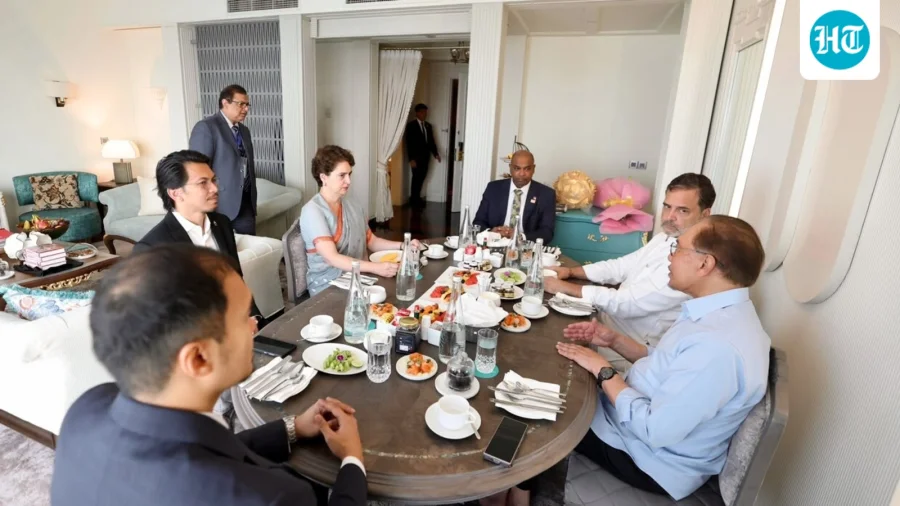
It was meant to be a diplomatic statement — a plate that spoke of India's culture, hospitality, and culinary heritage. Instead, the all-vegetarian spread laid out for heads of state at the BRICS Summit has become the latest battleground in India's never-ending political theatre.
Congress and BJP are now locked in a war of words over what was served — and, more pointedly, over what that choice supposedly says about the country's identity on the world stage.
What Exactly Happened at the BRICS Summit Dinner Table
According to the original report, the government arranged a fully vegetarian menu for the visiting dignitaries and heads of state at the BRICS Summit. This is not the first time such a decision has been made — previous high-profile international events hosted by India have also featured all-vegetarian spreads for foreign leaders.
The menu itself was not the story. The reaction to it was.
Why a Menu Became a Political Battleground
Food in India has never been just food. It is identity, faith, caste, region, and politics — all folded into every bite. When the state chooses what to serve foreign dignitaries, it is seen by many as a statement about what India considers its "official" culture.
For the BJP, the vegetarian menu is a proud assertion of Indian tradition and a reflection of the country's civilisational values. For Congress, the controversy is a manufactured distraction — a way to keep cultural wedge issues alive while more pressing concerns like jobs, inflation, and governance go unaddressed.
Both sides know exactly what they are doing. This is not about paneer versus chicken. It is about whose India gets to sit at the head of the table.
The Long History of Food as Political Fodder in India
This is hardly the first time food has triggered a national debate. From beef bans to school mid-day meal menus, from temple prasadam to airline meal choices, what Indians eat — and what the state endorses — has repeatedly become a flashpoint.
Political parties have long understood that food touches something deeper than policy. It touches pride, belonging, and the question of who truly represents "Indian values."
The BRICS Summit menu is simply the latest chapter in that ongoing cultural argument.
Who Is Actually Affected by This Debate
On the surface, this is a quarrel among politicians. But the ripple effects reach ordinary citizens — particularly those who feel their own food choices are being judged, politicised, or weaponised.
India is a country where dietary habits vary wildly by region, religion, and community. When a national menu becomes a political symbol, it inevitably raises uncomfortable questions about whose habits are being elevated and whose are being sidelined.
For the global audience watching the BRICS Summit, the controversy also risks overshadowing the substantive diplomatic outcomes of the event.
What Both Sides Are Saying — and What Remains Unverified
Congress and BJP leaders have traded barbs through public remarks and social media posts, each framing the menu as evidence of the other's political agenda. However, no formal, independently verified statement from either party's official spokesperson has been confirmed at the time of writing.
Readers should treat viral clips, WhatsApp forwards, and unverified screenshots with caution. The core fact — that an all-vegetarian menu was served — is confirmed by the original report. The interpretations, motives, and political spin remain contested.
Confirmed Facts vs What Remains Unclear
Confirmed: An all-vegetarian spread was arranged for dignitaries at the BRICS Summit. This is consistent with past practice at similar Indian-hosted events.
Unclear: The exact composition of the menu, the specific remarks made by individual leaders, and whether any formal party position has been issued. Any claim beyond the confirmed facts should be treated as speculation or political commentary.
Risks and the Balanced View
There is a legitimate case for serving Indian vegetarian cuisine to global guests — it showcases the country's culinary diversity and aligns with the dietary preferences of a significant portion of the population.
There is also a legitimate critique: that the government's choices are being read through a cultural lens that excludes non-vegetarian traditions equally central to Indian identity.
Both perspectives have merit. The problem is not the menu. The problem is that in today's political climate, even a thali cannot escape the pull of partisanship.
The Wider Pattern: Culture Wars as Political Strategy
This controversy fits a familiar pattern in Indian politics — where cultural symbols, from food to festivals to language, become proxies for larger ideological battles. Such issues generate high engagement, dominate news cycles, and energise core voter bases on both sides.
They also, critics argue, crowd out substantive debate on governance, economy, and foreign policy — the very areas where the BRICS Summit was supposed to deliver results.
What Readers Should Take Away
For citizens, the key takeaway is simple: separate the verified fact from the political noise. An all-vegetarian menu was served. That is true. What it "means" is a matter of interpretation — and interpretation is exactly what political parties are competing to control.
Follow official party statements and verified news reports rather than viral social media claims. And remember that the BRICS Summit's diplomatic outcomes matter far more than its dinner menu.
What Could Happen Next
Expect the debate to continue for a few more news cycles before fading — unless either party chooses to escalate it further. With no major electoral event immediately imminent, the controversy is likely to remain a rhetorical skirmish rather than a sustained campaign issue.
But it has already done its job: keeping both parties in the headlines and their bases engaged.
Our Take
This is a story about food only on the surface. Beneath it lies a deeper question that India keeps returning to: who gets to define the nation's cultural identity, and how much of that definition should be reflected in how the state presents itself to the world.
The BJP sees the vegetarian menu as a confident assertion of Indian tradition. Congress sees the controversy as a distraction from real governance. Both are playing to their audiences. The loser, as always, is the public conversation — which could have been about BRICS outcomes, trade, or diplomacy, but is instead about what was on the plate.
Frequently Asked Questions
What was served at the BRICS Summit dinner?
An all-vegetarian menu was arranged for heads of state and dignitaries, according to the original report. The exact dishes have not been independently verified.
Why did Congress and BJP clash over the menu?
The BJP framed the vegetarian spread as a proud projection of Indian culture, while Congress criticised the politicisation of food as a distraction from substantive issues. Both parties used the issue to appeal to their respective voter bases.
Has this happened before at Indian-hosted international events?
Yes. The original report notes that this is not the first time the government has arranged a full vegetarian spread for heads of state and important leaders at international summits hosted by India.
Is the BRICS Summit menu controversy likely to have any lasting impact?
Most likely not. Such cultural controversies tend to dominate news cycles briefly before fading, unless escalated by either party. The substantive diplomatic outcomes of the summit remain the more consequential story.