The political temperature in Jharkhand has just shot up. A bitter war of words has erupted between the ruling Congress-JMM coalition and the opposition BJP, with both sides accusing each other of betraying the state’s tribal communities. At the heart of the clash is a question that cuts deep: who truly represents the Adivasi voice, and who has failed them the most?
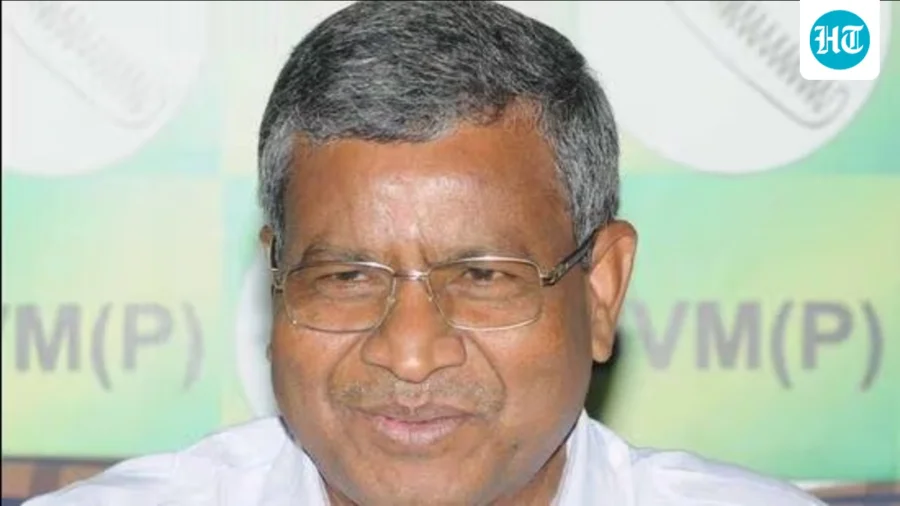
Launching a scathing attack, senior BJP leader Marandi accused the Congress and the Jharkhand Mukti Morcha (JMM) of engaging in “divisive politics” aimed at fracturing the tribal community for political gains. Speaking at a press conference at the BJP state headquarters, Marandi hit back at the Congress for opposing the ‘Adivasi Samagam’ (Tribal Conclave) in Delhi, an event the BJP sees as a platform to unite tribal voices.
Why This Matters Right Now
This isn’t just another political spat. Jharkhand is a state where tribal identity is deeply intertwined with daily life, culture, and political power. For millions of Adivasis, the question of who genuinely champions their rights—and who is merely using them as a vote bank—is a matter of survival, dignity, and future. The outcome of this debate could influence how tribal communities vote in upcoming elections and how they perceive the state’s governance. The emotional stakes are high: a sense of betrayal or neglect can shape political loyalties for generations.
How the Political Clash Unfolded
The immediate trigger was the Congress party’s opposition to the ‘Adivasi Samagam’ in Delhi. The BJP, led by Marandi, saw this as a direct attack on tribal unity. “The Congress and JMM are afraid of a united tribal voice. They want to keep us divided so they can keep exploiting us,” Marandi charged. He accused the ruling coalition of using tribal identity as a shield while failing to deliver on basic governance—jobs, education, healthcare, and land rights.
Not to be outdone, the Congress and its allies fired back. Former Chief Minister and JMM leader Champai Soren, who recently switched sides to the BJP, was quick to label the Congress as “historically anti-tribal.” In a statement, Soren claimed, “The Congress has always been responsible for the plight of Adivasis. They have never truly worked for our upliftment.” This counter-narrative seeks to paint the BJP as the true defender of tribal interests, a claim that the Congress vehemently denies.
Who Is Affected and What Officials Are Saying
The direct impact is on the state’s 8.6 million tribal population, who make up over 26% of Jharkhand’s electorate. For them, this political battle is not abstract. It touches on land alienation, forest rights, cultural preservation, and access to government schemes. Local leaders from both sides are now fanning out to villages, using this clash to rally support.
“The BJP is trying to hijack our movement. They have no history of fighting for tribal rights. This is pure political opportunism,” said a Congress spokesperson, speaking on condition of anonymity. Meanwhile, a BJP worker in Ranchi told us, “Finally, someone is speaking the truth. The JMM-Congress has done nothing for us. They just want our votes.”
What We Know So Far — and What Remains Unclear
What we know: The BJP has organized a major tribal conclave in Delhi, which the Congress has opposed. Marandi has publicly accused the ruling coalition of divisive politics. Champai Soren has called the Congress “anti-tribal.” The political temperature is high, with both sides mobilizing supporters.
What remains unclear: The exact impact of this clash on the ground. Will it consolidate tribal votes behind the BJP, or will it backfire and strengthen the JMM-Congress alliance? The long-term consequences for governance—whether this political fight will distract from pressing issues like unemployment and infrastructure—are also uncertain. Furthermore, the specific details of what the ‘Adivasi Samagam’ aims to achieve beyond political symbolism remain vague.
Risks, Concerns, and the Balanced View
Risks: The biggest risk is the further politicization of tribal identity. When political parties use community identity as a weapon, it can deepen social fractures and lead to violence. There is also a risk of governance paralysis, as both sides focus on scoring political points rather than addressing real problems like poverty, malnutrition, and lack of education in tribal areas.
Balanced View: While the BJP accuses the Congress-JMM of failing tribals, critics point out that the BJP’s own record on tribal welfare, especially at the national level, is mixed. Land acquisition laws, forest rights issues, and the handling of tribal displacement have been contentious. On the other hand, the JMM-Congress government in Jharkhand has also faced criticism for corruption and slow implementation of welfare schemes. Neither side has a spotless record.
“The Congress has always been anti-tribal, responsible for the plight of Adivasis.” — Champai Soren, BJP leader and former Jharkhand CM
Why Similar Trends Are Growing
This clash is part of a larger national trend where tribal identity is becoming a key battleground in Indian politics. From the Naxal-affected regions of central India to the northeastern states, political parties are increasingly using tribal symbols, leaders, and grievances to mobilize support. The rise of regional parties like the JMM, which explicitly champion tribal rights, has forced national parties like the BJP and Congress to sharpen their tribal outreach. The ‘Adivasi Samagam’ is just one example of this growing trend.
- The BJP has been aggressively courting tribal communities, especially in states like Jharkhand, Chhattisgarh, and Madhya Pradesh, where they form a significant vote bank.
- The Congress, historically seen as the party of tribal rights (thanks to leaders like Jawaharlal Nehru and the Panchsheel policy), is now struggling to retain its tribal base.
- The JMM, as a regional force, is trying to position itself as the true guardian of tribal interests, often clashing with both national parties.
What Readers, Users, or Investors Should Know Now
For the average citizen in Jharkhand, this political fight means one thing: more uncertainty. If you are a tribal voter, it is crucial to look beyond the rhetoric. Examine the actual track record of each party on issues like land rights, forest rights, education, and healthcare. For investors and businesses, political instability in a resource-rich state like Jharkhand can be a red flag. Policy paralysis and social unrest can disrupt mining, manufacturing, and other key sectors.
For readers outside Jharkhand, this story is a reminder that India’s political landscape is deeply fragmented along identity lines. The battle for the tribal vote is not just a local issue; it reflects a national struggle over representation, development, and social justice.
What Could Happen Next
In the short term, expect more heated exchanges and possibly public rallies. The BJP will likely use the ‘Adivasi Samagam’ as a launchpad for a broader campaign in the run-up to the next state elections. The Congress-JMM alliance will counter with its own tribal outreach programs, possibly highlighting their government’s welfare schemes. The real test will come at the ballot box. If the BJP can successfully paint the ruling coalition as anti-tribal, it could significantly shift the political balance in Jharkhand. If not, the Congress-JMM may consolidate its tribal base.
Our Take: Why This Story Matters Beyond One Incident
This clash is a microcosm of a larger crisis in Indian democracy: the tension between identity politics and governance. While it is legitimate for political parties to champion the cause of marginalized communities, the danger lies in using identity as a tool to distract from failures in governance. Both the BJP and Congress-JMM have a responsibility to move beyond slogans and deliver tangible results for the tribal communities they claim to represent. The people of Jharkhand deserve more than a political circus; they deserve schools, hospitals, jobs, and dignity. Until that happens, this war of words will remain just that—words.
FAQs
What is the ‘Adivasi Samagam’ and why is it controversial?
The ‘Adivasi Samagam’ is a tribal conclave organized by the BJP in Delhi. It is controversial because the Congress and JMM see it as a political stunt by the BJP to woo tribal voters, while the BJP claims it is a genuine platform to unite tribal voices and address their concerns. The Congress’s opposition to the event sparked the current political clash.
Why are tribal identity and governance linked in Jharkhand politics?
Tribal identity is central to Jharkhand’s political landscape because the state was created in 2000 to protect the rights and culture of its tribal population. Governance failures—such as land alienation, lack of development, and corruption—are often framed as a betrayal of this tribal identity. Political parties use this link to mobilize support, making it a powerful and emotional issue.
Who is Champai Soren and why did he switch to the BJP?
Champai Soren is a former Chief Minister of Jharkhand and a senior leader of the JMM. He recently switched to the BJP, citing dissatisfaction with the JMM-Congress alliance’s governance and its alleged failure to protect tribal interests. His switch has added fuel to the political fire, as he now accuses his former party of being anti-tribal.
How does this political clash affect the average tribal citizen in Jharkhand?
For the average tribal citizen, this clash can lead to confusion and frustration. While political parties promise to fight for their rights, the constant bickering often distracts from real issues like poverty, lack of education, and healthcare. It can also deepen social divisions within tribal communities, as people are forced to take sides. Ultimately, the impact depends on whether the political fight translates into better policies or just more empty promises.