
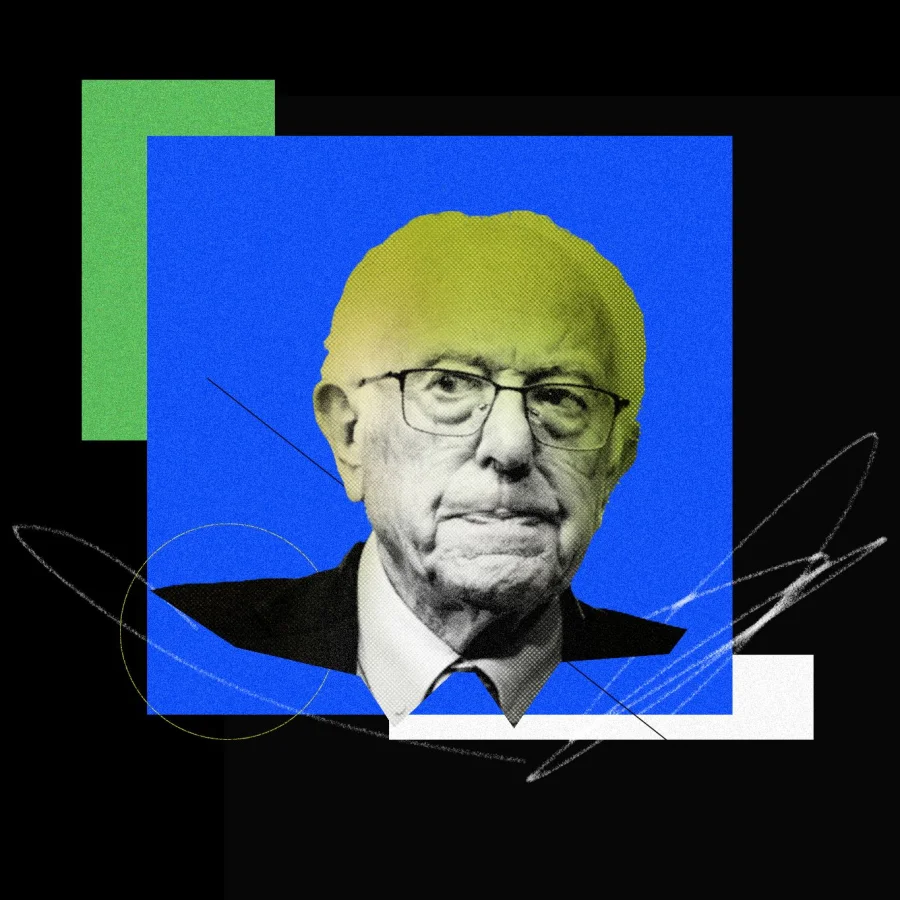
For decades, Bernie Sanders has been a lone voice warning that the concentration of wealth among a handful of billionaires and corporations would eventually corrode American democracy. Now, as public anger toward Big Tech, unchecked AI, and billionaire influence reaches a boiling point, the Vermont senator believes the moment he predicted has finally arrived.
The Warning That Never Got Heard — Until Now
In the 1990s and 2000s, Sanders’ warnings about the dangers of corporate monopolies and wealth inequality were often dismissed as fringe left-wing rhetoric. But today, with Amazon, Google, and Meta controlling vast swaths of daily life, and with billionaires like Elon Musk and Jeff Bezos wielding unprecedented influence, those warnings sound prescient.
Why This Tipping Point Feels Different
What has changed is not just the scale of wealth concentration — it is the public’s willingness to question it. Polls show that a majority of Americans now believe the economy is rigged in favor of the wealthy. Bipartisan anger toward Big Tech’s data practices, AI’s job-displacing potential, and billionaire tax avoidance has created an opening Sanders never had before.
The Billionaire Backlash: A Timeline of Growing Frustration
The shift did not happen overnight. The 2008 financial crisis exposed how Wall Street’s elite escaped accountability. The pandemic-era wealth explosion — where billionaires added trillions while millions lost jobs — deepened the divide. The rise of generative AI, with its potential to automate white-collar work, has added a new layer of anxiety. Sanders has been there at every step, arguing that these are not separate problems but symptoms of the same disease: unchecked corporate power.
Who Is Affected — And How
This is not just a political story. For the average American, the concentration of wealth means higher prices, fewer choices, lower wages, and less privacy. Small businesses struggle to compete with Amazon. Workers fear AI will replace their jobs. Families worry about data being used against them. Sanders’ argument is that these are not inevitable — they are the result of policy choices that favor the wealthy.
What Sanders and Allies Are Pushing For
The senator has proposed a suite of policies: breaking up Big Tech monopolies, imposing a wealth tax on billionaires, regulating AI to protect workers and consumers, and strengthening labor unions. These ideas, once considered radical, are now being debated in mainstream policy circles. The Biden administration’s antitrust push and the European Union’s AI Act show that the conversation has shifted.
The Deeper Meaning: Democracy vs. Plutocracy
At its core, Sanders’ argument is not just about economics — it is about power. He believes that when a tiny minority controls the nation’s wealth, they also control its politics. Campaign donations, lobbying, and media ownership all flow from concentrated wealth. The result, he warns, is a democracy that serves the rich, not the people. The current backlash, he argues, is a fight for the soul of American governance.
Confirmed Facts vs What Remains Unclear
Confirmed: Wealth inequality in the U.S. has reached levels not seen since the Gilded Age. The top 1% now owns more wealth than the bottom 90%. Public trust in Big Tech has declined sharply. Bipartisan support for antitrust action exists.
Unclear: Whether this public anger will translate into concrete legislation. Whether the Supreme Court will uphold new regulations. Whether Sanders’ specific proposals can overcome industry opposition.
Why Sanders’ Argument Has Gained Traction
Unlike many politicians, Sanders has been consistent for decades. He has not changed his message to suit the moment — the moment has come to him. This consistency gives him credibility that few others have. When he warns about AI, people listen because he warned about Wall Street before the crash, about Big Pharma before the opioid crisis, and about corporate media before the misinformation epidemic.
Risks and Balanced View
Critics argue that Sanders’ proposals could stifle innovation, hurt economic growth, and lead to government overreach. They point out that many tech companies create jobs and that billionaires often fund philanthropic efforts. Others say that breaking up Big Tech could weaken U.S. competitiveness against China. Sanders counters that a healthy democracy requires limits on private power, and that innovation can thrive under fair rules.
The Wider Pattern: A Global Reckoning
This is not just an American story. Across Europe, regulators are cracking down on Big Tech. In India, concerns about data sovereignty and digital monopolies are growing. In developing nations, the power of global tech giants is being questioned. Sanders’ warning about concentrated wealth threatening democracy resonates far beyond U.S. borders.
What You Should Know — Practical Guidance
For readers: Pay attention to proposed antitrust legislation and AI regulation — these will affect your privacy, job security, and cost of living. For investors: Regulatory risk in Big Tech is real and growing. For workers: The debate over AI and automation will shape your industry. Stay informed and engage with local representatives.
What Could Happen Next
If the current momentum continues, the next few years could see the most significant antitrust action since the breakup of AT&T. A wealth tax could be debated in Congress. AI regulation could become a bipartisan issue. But the path is not guaranteed — industry lobbyists are powerful, and political will can fade. Sanders is betting that this time, the people’s anger will outweigh the billionaires’ money.
Our Take
Bernie Sanders’ warning was never just about economics — it was about the kind of society we want to live in. Whether or not you agree with his solutions, his diagnosis of the problem has proven remarkably accurate. The question now is whether democracy can reassert itself over concentrated wealth. The answer will define the next decade.
Frequently Asked Questions
What did Bernie Sanders predict about Big Tech and billionaires?
Sanders has long argued that the concentration of wealth among a small elite — including Big Tech founders and billionaires — threatens democratic institutions by giving the rich disproportionate political power.
Why is public anger toward Big Tech growing now?
Factors include data privacy scandals, AI’s potential to displace jobs, rising prices and monopoly power, and the pandemic-era wealth explosion that made billionaires richer while many struggled.
What policies is Bernie Sanders proposing to address this?
He supports breaking up monopolies, imposing a wealth tax on billionaires, regulating AI for safety and fairness, strengthening labor unions, and reducing the influence of money in politics.
Could these proposals actually become law?
While bipartisan support for antitrust action exists, significant opposition from industry lobbyists and some lawmakers makes passage uncertain. The political climate is more favorable than ever, but the outcome is not guaranteed.