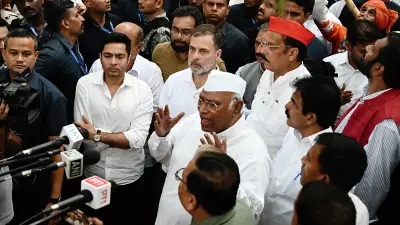
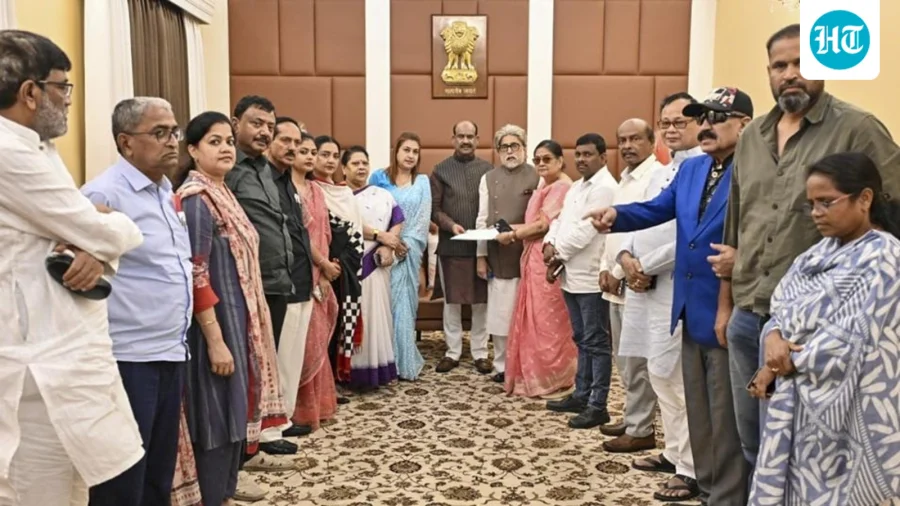
In a political twist that has left many in Tripura and West Bengal scratching their heads, 20 rebel Trinamool Congress MPs in the Lok Sabha have merged with a party that once built its entire identity around rejecting political turncoats. The National Conference of People’s India (NCPI), an obscure outfit from Tripura, is now at the centre of a national political realignment.
The Party That Ran Against Turncoats
During the 2023 Tripura assembly elections, NCPI was virtually unknown outside the state. Its campaign posters, however, carried a sharp message: “Reject political turncoats to save your rights.” The party urged voters to choose social workers over politicians who switch sides for power. Its president, Shewly Kundu, led a small team that fielded four candidates across the state. None won.
Why 20 TMC MPs Chose NCPI
The merger is not about ideology — it is about legal survival. Under the anti-defection law, a merger of two-thirds of a party’s legislators in a House is considered a valid merger, protecting MPs from disqualification. By merging with NCPI, the 20 TMC rebels — who had been at odds with party leadership — have created a legally defensible path out of the Trinamool Congress without losing their parliamentary seats.
The Irony That Can’t Be Ignored
The contradiction is hard to miss. A party that campaigned against political turncoats has now become the vehicle for the largest defection from a major party in recent years. Political analysts in Tripura have pointed out the irony, with some calling it a “political U-turn” that undermines the party’s original message. NCPI leaders have not publicly addressed the contradiction.
Who Are the People Behind NCPI?
NCPI is registered with the Election Commission of India as a state party in Tripura. Its symbol is a farmer with a plough, reflecting its claimed focus on agrarian issues. The party has little organisational presence beyond the state and has never won a legislative seat. Its membership is small, and its influence in Tripura politics has been negligible — until now.
What This Means for the TMC and Parliament
The merger reduces the TMC’s effective strength in the Lok Sabha, though the party still retains a significant number of MPs. For the rebels, joining NCPI gives them a new political identity without the stigma of being “unattached” MPs. They are expected to function as a separate bloc, potentially aligning with other opposition forces or remaining neutral on key votes.
Confirmed Facts vs What Remains Unclear
Confirmed: 20 TMC MPs have merged with NCPI. NCPI campaigned against turncoats in 2023. The merger is legally valid under anti-defection rules. Unclear: Whether NCPI’s leadership was aware of the irony or simply saw an opportunity. The exact terms of the merger — including any leadership or financial arrangements — have not been disclosed. It is also unclear if NCPI will now expand beyond Tripura.
Risks and Balanced View
Critics argue that the merger exposes the hollowness of NCPI’s earlier anti-turncoat stance, damaging its credibility. Some Tripura voters have expressed disappointment on social media, calling the party “hypocritical.” On the other hand, supporters of the merger say it is a pragmatic move that gives the rebels a legitimate political home. Legal experts caution that the merger could still face challenges if the TMC approaches the Speaker or the courts.
Wider Trend: The Rise of Merger-as-Strategy
This is not the first time a small, obscure party has been used as a vehicle for defecting MPs. In recent years, several regional parties have merged with tiny outfits to bypass anti-defection laws. The trend raises questions about the effectiveness of the anti-defection legislation and whether it needs reform to prevent such “legal loophole” mergers.
Practical Reader Guidance
For voters in Tripura, the NCPI’s sudden national relevance may feel like a betrayal of its original promise. For political observers, this case is a textbook example of how anti-defection laws can be circumvented. For the 20 TMC MPs, the immediate priority will be to establish their new political identity and decide their stance on upcoming parliamentary business.
Future Outlook
The merged group is likely to remain in Parliament for the remainder of the term. Whether NCPI will contest future elections in Tripura or expand to other states remains uncertain. The party’s credibility among its original supporters may be damaged, but its national profile has undoubtedly risen. The TMC, meanwhile, may seek legal or political remedies to challenge the merger.
Our Take
The NCPI story is a reminder that in Indian politics, principles often bend to pragmatism. A party that once stood against turncoats has now become a turncoat’s best friend. While the merger is legally sound, it exposes a gap in the anti-defection framework that allows parties to be used as shells. For voters, the lesson is clear: political messaging can be temporary, but power — and survival — is permanent.
Frequently Asked Questions
What is NCPI?
NCPI stands for National Conference of People’s India, a small political party based in Tripura. It is registered with the Election Commission of India and fielded four candidates in the 2023 Tripura assembly elections, but won no seats.
Why did 20 TMC MPs merge with NCPI?
The merger allows the rebel TMC MPs to avoid disqualification under the anti-defection law. By merging with a recognised party, they can legally leave the TMC without losing their parliamentary seats.
What was NCPI’s campaign in 2023 Tripura polls?
NCPI campaigned with the slogan ‘Reject political turncoats to save your rights’, urging voters to choose social workers over politicians who switch parties for power.
Is the merger legal?
Yes, under the anti-defection law, a merger involving two-thirds of a party’s legislators in a House is considered valid. The Speaker of the Lok Sabha will need to recognise the merger formally.