More than 200 child advocacy groups and experts demanded on 1 April 2026 that YouTube ban AI-generated "slop" from its children’s platform, warning that algorithmically produced low-quality videos are harming brain development and distorting reality for young viewers.
Coalition of 200 Experts Targets Google and YouTube Leadership
The demand was formalised in an open letter addressed to YouTube CEO Neal Mohan and Google CEO Sundar Pichai. Organised by the advocacy group Fairplay, the letter was signed by 135 organisations, including the American Federation of Teachers and the American Counseling Association. Prominent researchers, such as Jonathan Haidt, author of The Anxious Generation, also joined the call for immediate structural changes to the platform's content moderation.
The coalition alleges that YouTube is actively profiting from "AI slop"—a term describing mass-produced, often nonsensical videos designed to hijack a child's attention. According to Fairplay’s findings, top channels producing this content for children have generated over $4.25 million in annual revenue. The letter argues that the current financial incentives encourage creators to flood the platform with hypnotic, repetitive loops that offer no educational value.
YouTube spokesperson Boot Bullwinkle stated that the company maintains high standards for YouTube Kids and is working on dedicated AI labels. However, the company did not provide a specific timeline for these updates. The source material confirms that while YouTube claims to limit AI content to high-quality channels, critics argue that only 5 percent of content for children under eight meets high-quality benchmarks.
The Rise of AI Slop and the India Market Context
The phenomenon of "AI slop" gained significant attention following a February investigation that found bizarre, uncanny-valley animations embedded within the curated YouTube Kids app. These videos often feature cartoon animals performing repetitive tasks or "educational" content containing garbled or incorrect information. This follows a history of content failures on the platform, most notably the 2017 "Elsagate" scandal where disturbing themes were masked as toddler-friendly entertainment.
For the Indian market, this development is particularly significant as India remains one of YouTube's largest global user bases. With both Google and YouTube led by Indian-origin CEOs, Sundar Pichai and Neal Mohan, Indian parents and digital safety advocates are increasingly looking for localized safeguards. No direct India-specific regulatory action was identified in the source material, but the global ban demand directly impacts the content served to millions of Indian households using the YouTube Kids app.
Impact on Child Development and Parental Trust
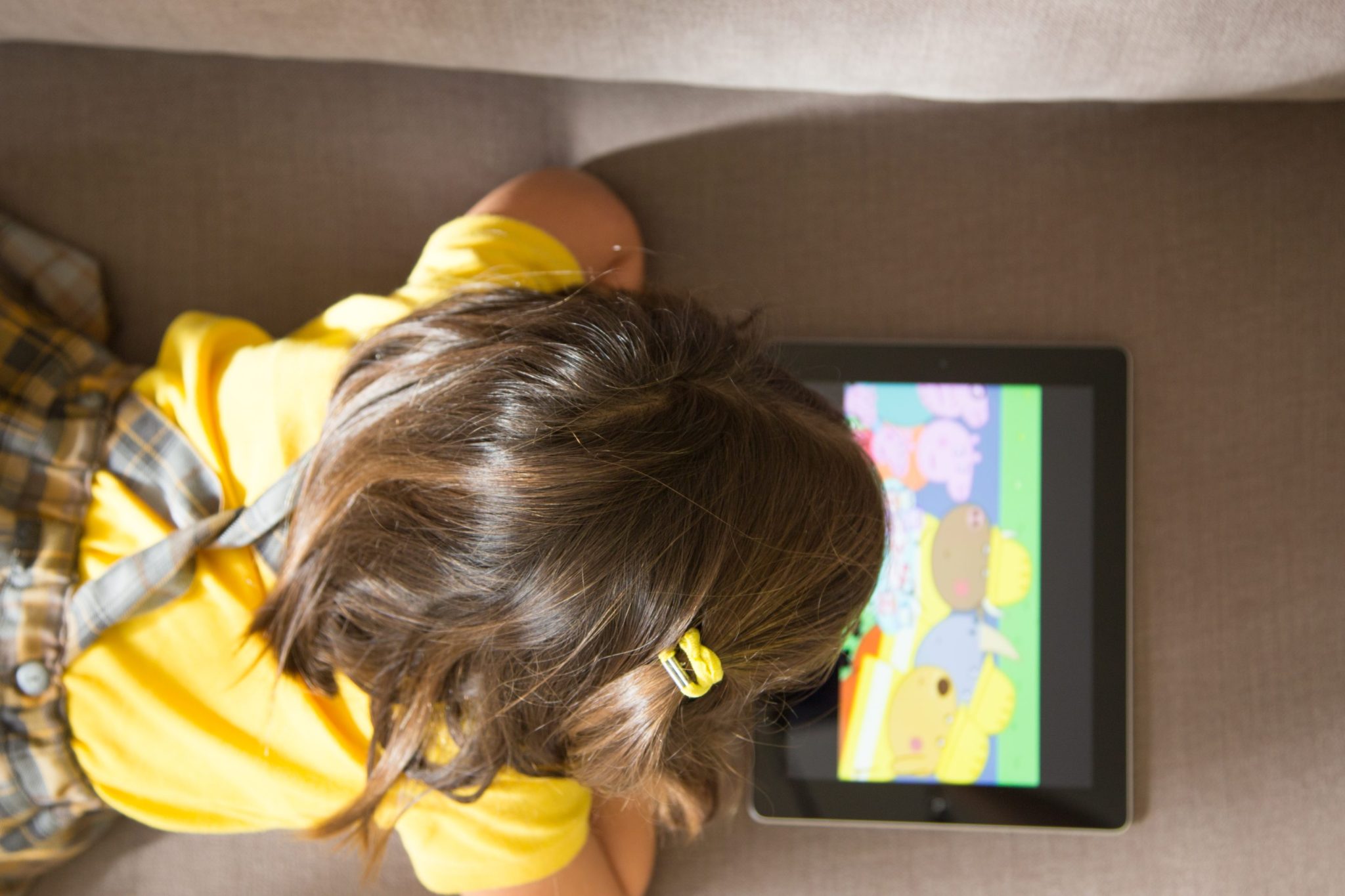
The primary group affected by this surge in AI content is children under the age of eight, who are in critical stages of developing impulse control and reality schemas. Experts argue that repeated exposure to "uncanny" AI imagery makes it difficult for young children to distinguish between what is real and what is simulated. This confusion can distort their understanding of the physical world and social interactions.
Secondary impact is felt by parents who rely on YouTube Kids as a "safe" and "curated" environment. The coalition argues that the platform’s recommendation algorithm makes it nearly impossible for children to avoid AI slop once they enter the ecosystem. This shift has eroded trust in the platform's ability to filter out low-quality, "mesmerizing" content that serves no purpose other than increasing watch time.
Proposed Structural Changes for YouTube Kids
The coalition is demanding a fundamental shift in how YouTube handles automated content rather than a "Band-Aid" approach of removing individual channels. The proposed changes aim to remove the profit motive for low-quality AI creators.
- Total Ban: A complete prohibition of AI-generated content on the YouTube Kids platform.
- Mandatory Labeling: Clear disclosure of all AI-generated content across the main YouTube platform.
- Algorithm Restrictions: Preventing the recommendation of AI content to any user under the age of 18.
- Parental Controls: A default-off toggle that parents must manually activate to allow any AI content.
The coalition also called for YouTube to halt investments in AI-powered children’s entertainment studios, specifically naming Animaj, which is backed by Google’s AI Futures Fund.
How AI Slop Hijacks the Developing Brain
AI slop works by utilizing high-contrast visuals, repetitive audio loops, and "mesmerizing" movements that trigger basic neurological responses in children. Because these videos are cheap to produce at scale, creators can test thousands of variations to see which ones hold attention the longest, effectively "hacking" the child's engagement. This process bypasses the need for narrative or educational substance, focusing entirely on retention metrics.
The risk lies in the compounding effect of this exposure. Research cited by the coalition suggests that even adults struggle to identify AI content, succeeding only about 50 percent of the time. For children, whose foundational understanding of the world is still being built, these distorted realities can create long-term cognitive confusion. The coalition interprets these confirmed facts as a signal that the platform's design is fundamentally at odds with child safety.
No independent expert commentary was available in the source material for this article.
Confirmed Next Steps for YouTube
YouTube CEO Neal Mohan has identified "managing AI slop" as a top priority for 2026. The company is currently developing dedicated AI labels specifically for the YouTube Kids app to increase transparency. However, the company has not yet agreed to the coalition's demand for a total ban on AI-generated content for children.
YouTube AI Slop Controversy: Confirmed Figures at a Glance
The following data points highlight the scale of the AI content issue and the coalition's response as of April 2026.
Key Fact Detail Main organisations involved Fairplay, American Federation of Teachers Total advocacy groups signed More than 135 organisations Date of open letter March 2026 Estimated annual revenue of top slop channels Over $4.25 million Percentage of high-quality content for kids